
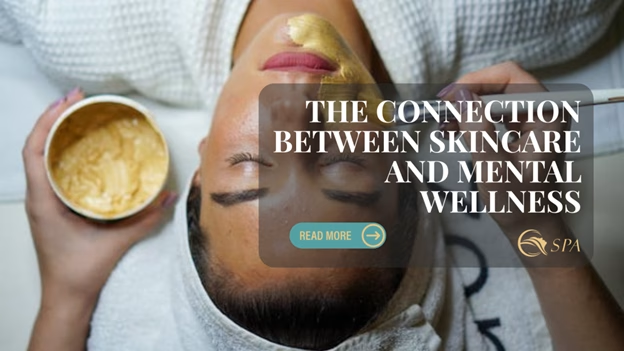
- Skincare routines influence both the skin and the mind by reducing stress, supporting emotional balance, and improving confidence through consistent care.
- Touch, sensory input, and professional treatments help regulate the nervous system, relieve tension, and create moments of calm that reinforce mental wellness.
- Combining daily skincare with healthy habits, proper hydration, nutrition, and movement strengthens skin health, supports emotional stability, and promotes overall well-being.
Healthy skin reflects more than genetics or products. It often mirrors emotional balance, daily habits, and stress levels. Many people notice breakouts during tense weeks or dull tone during long periods of fatigue. This link between skin and the mind has gained attention in recent years. Researchers, dermatologists, and wellness professionals now view skincare as part of overall mental wellness. Understanding this relationship can shift how people care for their skin and themselves.
Skincare routines offer more than surface-level benefits. They create moments of pause in busy schedules. They support healthy skin function. They influence mood, confidence, and emotional stability. When practiced with intention, skincare becomes a wellness ritual rather than a chore.
How the Skin Communicates With the Brain
The skin operates as an active sensory system rather than a passive surface. It constantly exchanges information with the nervous system. This communication shapes emotional reactions and physical responses. Changes in mood often appear on the skin because of this ongoing interaction.
Signals travel rapidly between the skin and the brain. These signals influence hormones, immune activity, and muscle tension. The result appears as visible skin changes during emotional shifts.
A Shared Biological Origin
Skin and nervous tissue develop from the same embryonic layer. This shared origin explains their strong connection throughout life. Emotional stress activates pathways that influence both neural activity and skin inflammation.
Scientific research in psychodermatology highlights this relationship. Stress-related hormones affect oil glands and immune responses. These reactions influence breakouts, redness, and healing patterns.
The Role of Nerve Endings in Skin Response
The skin contains millions of nerve endings. These receptors respond to pressure, temperature, and movement. Each sensation sends information directly to the brain.
This process happens within seconds. The brain interprets these signals and releases chemical messengers. These messengers influence skin behavior and emotional state.
Hormonal Signals Triggered by Emotional Shifts
Emotional changes influence hormone release. Stress increases cortisol levels. Elevated cortisol affects oil production and inflammation.
Lower stress supports hormonal balance. Balanced hormones support calmer skin responses. This connection explains why emotional care influences skin stability.
Touch as a Communication Pathway
Touch plays a direct role in emotional regulation. Gentle pressure activates relaxation responses in the nervous system. This response slows heart rate and releases muscle tension.
Skincare routines rely heavily on touch. Consistent contact supports a sense of safety. This reassurance influences both mood and skin comfort.
Sensory Feedback and Emotional Interpretation
Texture, warmth, and movement create sensory feedback. The brain interprets this feedback as signals of comfort or alertness. Calm sensations support emotional balance.
Warm water relaxes facial muscles. Smooth formulations create ease during application. These sensations guide the nervous system toward stability.
Stress and Its Visible Effects on Skin
Stress triggers physical reactions throughout the body. Skin often reflects these changes early. Hormonal shifts influence oil levels, hydration, and inflammation. These reactions explain why skin concerns often appear during demanding periods.
Prolonged emotional strain affects skin resilience. Healing slows. Sensitivity increases. Minor concerns can linger longer than usual.
Hormonal Activity During Emotional Strain
Cortisol increases during stress. Elevated cortisol stimulates oil glands. Increased oil contributes to clogged pores and inflammation.
Clinical observations link stress with flare-ups of acne and dermatitis. These conditions reflect internal imbalance rather than surface hygiene issues.
Behavioral Shifts During Stressful Periods
Stress changes habits. Sleep quality declines. Hydration decreases. Skincare steps become inconsistent.
These behavioral changes compound biological responses. Skin then reacts more strongly. Awareness of this cycle helps guide healthier routines.
Skincare Routines as Emotional Anchors
Daily routines support emotional stability in quiet ways. Repetition creates predictability in otherwise demanding schedules. Predictability reduces mental fatigue and decision overload. Skincare routines offer short pauses that bring focus back to the present moment.
Repeating the same steps builds rhythm over time. Rhythm creates familiarity. Familiar actions feel grounding during stressful periods. Cleansing, applying products, and a gentle massage follow a known order. This order reduces cognitive strain and supports emotional steadiness. The skin benefits from consistency, while the mind benefits from routine.
Skincare routines resemble grounding practices used in wellness settings. The act of slowing down supports mental clarity. Hands moving across the face create a steady pace. Breathing naturally deepens during these moments. The nervous system responds with reduced tension.
These routines offer control during unpredictable days. Control supports confidence and emotional comfort. Over time, this daily practice builds a sense of reliability. Reliability supports resilience during demanding periods.
Skincare routines do not require complexity. Simple, repeated actions provide the greatest benefit. These moments of care reinforce self-respect and attention. The emotional impact grows through consistency rather than intensity.
The Role of Touch in Mental Regulation
Touch influences how the nervous system processes stress and comfort. Physical contact sends signals that guide emotional responses. These signals shape breathing patterns, muscle tone, and mental focus. Touch-based care plays a quiet yet meaningful role in emotional balance.
Skin responds quickly to pressure and movement. Gentle contact shifts the body away from alert states. This shift supports calm reactions and physical ease. Regular touch-based routines help regulate emotional responses over time.
Skin Receptors and Neural Signaling
The skin contains specialized receptors that respond to pressure and movement. These receptors send messages to the brain within seconds. The brain interprets these messages as signals of safety or alertness.
Gentle contact encourages calming responses. The nervous system lowers stress reactions. Emotional tension begins to ease.
Activation of the Relaxation Response
Soft pressure activates the parasympathetic nervous system. This system supports rest-related functions. Breathing slows as muscles release stored tension.
This response counteracts stress-driven reactions. The body shifts into a restorative state. Mental clarity often follows.
Tension Patterns in Facial Muscles
Facial muscles reflect emotional strain. Jaw tightening and brow tension often appear during stress. These patterns restrict circulation and comfort.
Massage relaxes these areas. Relaxed muscles support ease and softness. Facial expression often feels lighter afterward.
Scalp Sensitivity and Stress Release

The scalp holds a dense network of nerve endings. Emotional strain often causes tightness in this area. Tightness limits circulation and comfort.
Scalp stimulation releases this tension. Blood flow improves. This change supports both relaxation and scalp comfort.
Circulation and Sensory Comfort
Touch improves blood flow near the skin surface. Increased circulation delivers oxygen and nutrients. Warmth and ease follow this process.
Comfortable sensations influence emotional state. Steady pressure supports calm reactions. These effects reinforce relaxation.
Consistency and Emotional Reassurance
Repeated touch builds familiarity. Familiar sensations feel predictable and reassuring. This predictability supports emotional regulation.
Consistent pressure reduces mental resistance. The body responds with trust. Emotional tension decreases gradually.
Environmental Cues and Emotional Ease
Quiet spaces reduce auditory strain. Soft lighting lowers visual stimulation. These cues support calm responses.
Combined with skilled touch, these elements support emotional comfort. The experience influences both mental state and physical ease.
Emotional Expression Through Skin Conditions
Skin often reflects internal emotional states. Changes in texture, clarity, or sensitivity can signal emotional strain. These responses do not appear randomly. They reflect communication between emotional processing and physical function.
Understanding this connection reduces frustration. Skin reactions become indicators rather than failures. This perspective supports more compassionate care.
Acne and Emotional Cycles
Acne often intensifies during stressful periods. Hormonal shifts increase oil production and inflammation. Healing slows under emotional strain.
Visible changes affect confidence. Emotional responses can reinforce stress patterns. Addressing emotional health supports skin stability over time.
Sensitivity and Nervous System Reactivity
Sensitive skin reacts quickly to emotional shifts. Flushing and irritation often appear during anxious moments. These reactions are linked to increased nerve sensitivity.
Calming routines reduce reactivity. Gentle care supports comfort. Emotional awareness helps manage these responses.
The Psychological Impact of Healthy Skin
Healthy skin affects more than appearance. It shapes how you see yourself and how you move through daily life. When skin feels comfortable and balanced, it reduces mental distractions. This comfort supports confidence, emotional steadiness, and social ease. The goal is not perfection. The goal is consistency and care, which reinforces self-acceptance over time.
How Healthy Skin Supports Mental Wellness
- Supports confidence by reducing self-conscious thoughts
- Improves focus during conversations and daily activities
- Encourages positive self-image and emotional resilience
- Reduces anxiety linked to appearance-related concerns
Emotional Benefits of Consistent Skincare
- Reinforces self-respect through daily attention
- Creates emotional reassurance through routine
- Builds a sense of control and stability
- Supports calmer and more balanced emotional patterns
Professional Care and Emotional Reset
Professional skincare offers more than targeted treatments. It provides structure, reassurance, and clarity. Expert guidance removes guesswork. Reduced uncertainty lowers mental strain. This clarity allows both the skin and the mind to relax. Professional care blends physical support with emotional grounding, creating a reset that extends beyond the treatment room.
Skincare as Part of a Balanced Lifestyle
Skincare delivers the strongest results when it aligns with healthy daily habits. Nutrition, hydration, sleep, and movement all influence how skin looks and feels. These lifestyle factors also shape emotional balance and energy levels. When internal and external care work together, the benefits extend beyond appearance and support overall well-being.
Internal Support Systems
Proper hydration helps maintain skin elasticity and comfort. Balanced nutrition supports cellular repair and renewal. These internal systems influence energy levels, focus, and emotional stability. Skincare routines complement internal care by protecting and supporting the skin’s outer barrier.
Movement and Circulation
Regular movement improves blood flow throughout the body. Better circulation delivers oxygen and nutrients to skin cells. Physical activity also reduces stress-related tension. Lower tension supports skin comfort and promotes a calmer emotional state.
Refresh your skin and support your emotional balance with professional care at O Spa. Target your skin concerns, enjoy a calming experience, and leave feeling renewed. Book your personalized treatment today and take care of both your skin and your well-being.
