An Honest Review of Eucerin DermoCapillaire Calming Urea Shampoo
August 17, 2026
A – Z Guide to Thai Herbal Compress Benefits and Usage
August 21, 2026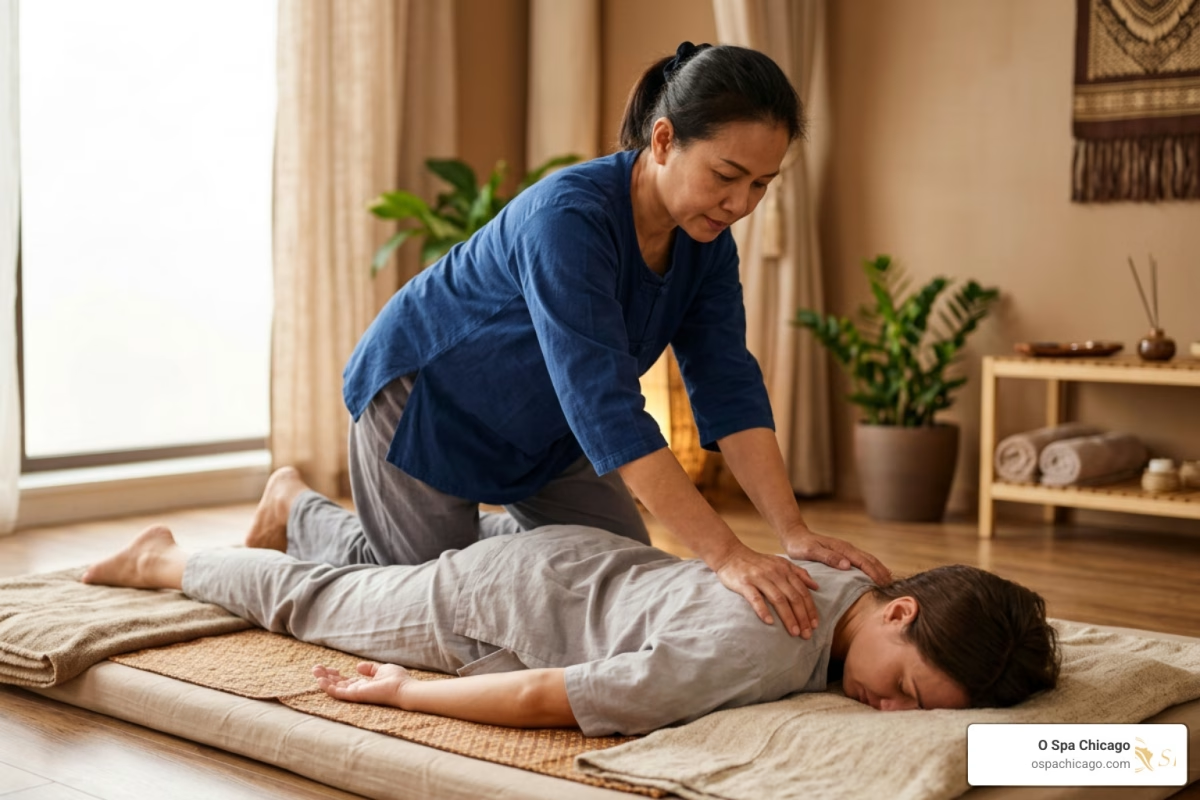
Ancient Healing for the Modern Body: What Is Traditional Thai Bodywork?
Traditional Thai bodywork — also known as Nuad Bo’Rarn — is a 2,500-year-old healing practice that combines acupressure, assisted yoga stretches, and rhythmic compression to restore balance in the body and mind.
Quick answer: Here’s what you need to know at a glance:
| What it is | A full-body, hands-on therapy using pressure, stretching, and energy work |
|---|---|
| Also called | Nuad Bo’Rarn, Nuad Thai, Thai yoga massage |
| Uses oils? | No — performed fully clothed on a floor mat |
| Session length | Typically 60–120 minutes |
| Key benefits | Flexibility, pain relief, stress reduction, improved digestion |
| Rooted in | Ayurvedic medicine, Buddhist principles, Southeast Asian healing traditions |
| UNESCO recognized? | Yes — inscribed as Intangible Cultural Heritage in December 2019 |
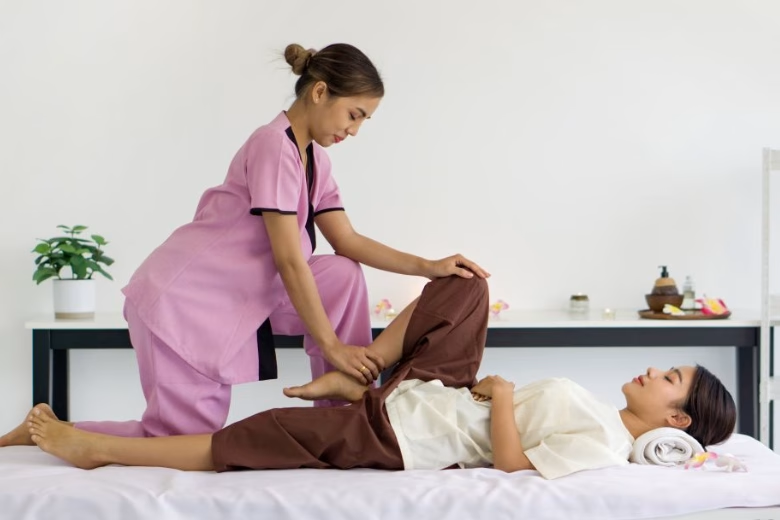
Unlike a standard massage where you lie still while a therapist works on your muscles, Thai bodywork is active. Your practitioner moves your body through stretches, applies pressure along specific energy pathways called Sen lines, and guides you through a flowing sequence that feels like yoga — without you doing any of the work.
It’s not just physical, either. The practice is grounded in Buddhist philosophy, particularly the concept of Metta — loving-kindness — which shapes how a skilled practitioner approaches every session.
For busy people dealing with tight muscles, low energy, or chronic stress, Thai bodywork offers something most quick fixes don’t: results that address the body and the mind at the same time.
What is Traditional Thai Bodywork?
To truly appreciate traditional Thai bodywork, it helps to step away from the Western concept of massage. In the West, we typically expect to disrobe, slip under a sheet on a raised table, and have a therapist rub oils or lotions into our skin using Swedish strokes.
Traditional Thai bodywork, or Nuad Bo’Rarn (which translates literally to “ancient massage”), is an entirely different experience. It is a dry, dynamic, and fully clothed therapy. Instead of a standard table, the session takes place on a comfortable, padded mat on the floor. This setup gives the practitioner the leverage and space needed to safely guide your body through deep, passive stretches and joint mobilization.
By wearing loose, lightweight clothing, you are free to move as your therapist gently rocking, compresses, and stretches your limbs. Because no oils or lotions are used, the focus remains entirely on deep tissue compression, myofascial release, and energy work. To learn more about how this differs from other modalities, you can explore the Traditional Thai massage history or check out More info about our professional massage services to see how we bring these dynamic concepts to life in Chicago.
The Core Techniques of Traditional Thai Bodywork
A typical session is a beautifully choreographed flow of four core techniques: assisted yoga postures, targeted acupressure, rhythmic compression, and mindful breathing. Rather than relying solely on their hands, the practitioner uses their entire body as a therapeutic tool. You will feel them apply precise pressure using their thumbs, palms, forearms, elbows, knees, and even their feet.
By using relaxed body mechanics and counterweight, the practitioner can deliver deep, firm pressure without causing tension in their own body. This creates a deeply relaxing, rhythmic experience. For a deeper look into the physiological mechanics of these movements, you can read this Detailed guide to Thai Yoga Bodywork techniques.
To help you visualize how this compares to what you might be used to, here is a quick breakdown:
| Feature | Traditional Thai Bodywork | Swedish Massage |
|---|---|---|
| Client Clothing | Fully clothed (loose, flexible attire) | Undressed to comfort level (draped with sheet) |
| Medium Used | None (no oils, lotions, or creams) | Oils, creams, or lotions |
| Primary Setting | Padded floor mat (or wide, low table) | Standard raised massage table |
| Primary Techniques | Compression, assisted yoga stretching, acupressure | Effleurage, kneading, friction, tapotement |
| Therapist Tools | Thumbs, palms, elbows, knees, feet, body weight | Hands, fingers, forearms |
| Energy Focus | Sen energy lines and wind pathways | Muscular and circulatory systems |
Historical Roots and Spiritual Foundations
Traditional Thai bodywork is not a modern fitness trend; it is a sacred healing art with roots stretching back over two and a half millennia. The practice was founded in India during the lifetime of the Buddha by a legendary physician named Jivaka Komarabhacca. Known affectionately in Thailand as “Father Doctor,” Jivaka was a contemporary of the Buddha and the personal physician to the early Buddhist monastic community.
As Buddhism migrated from India into Southeast Asia, Jivaka’s medical teachings traveled with it. Over centuries, these Indian Ayurvedic principles merged with traditional Chinese medicine concepts and indigenous Thai healing practices. This unique cultural synthesis took place largely within the quiet walls of Buddhist temples (known as wats), which served as the primary centers of learning, medicine, and community care for centuries.
Because of this profound cultural and historical significance, the United Nations Educational, Scientific and Cultural Organization officially recognized the practice, granting it UNESCO Intangible Cultural Heritage recognition in December 2019. This designation honors Nuad Thai as both a vital science and a treasured art form. Understanding this rich heritage helps us appreciate The connection between physical therapies and mental wellness, showing that true physical relief is deeply intertwined with our emotional and spiritual state.
The Role of Metta and Mindfulness in Healing
At its heart, traditional Thai bodywork is a form of applied meditation. A skilled practitioner does not simply execute physical movements; they cultivate a specific state of mind rooted in the four divine states of mind in Buddhist philosophy:
- Metta (Loving-kindness): The sincere wish for the recipient to experience happiness and well-being.
- Karuna (Compassion): The desire to alleviate the recipient’s suffering and tension.
- Mudhita (Sympathetic Joy): Celebrating the recipient’s healing, relaxation, and progress.
- Uppeka (Equanimity): Remaining centered, calm, and present without judgment or attachment to outcomes.
This practitioner mindset transforms the session into a “meditative dance” between the giver and the receiver. By tuning into their own breath and maintaining a state of calm mindfulness, the practitioner helps regulate the recipient’s nervous system, encouraging a deep shift from the stress-induced “fight-or-flight” response to the healing “rest-and-digest” state.

The Theoretical Foundations of Thai Healing
In traditional Thai medicine, the human body is viewed as a complex ecosystem governed by the four primary elements (Tath):
- Earth (Din): The solid structures of the body, including bones, muscles, tendons, and organs.
- Water (Nam): The bodily fluids, such as blood, lymph, synovial fluid, and sweat.
- Fire (Fai): The metabolic processes, digestion, body heat, and cellular energy.
- Wind (Lom): Respiration, the movement of energy, nerve impulses, and circulation.
Health is defined as a harmonious balance among these four elements and the three Ayurvedic Doshas. When an element becomes deficient or overactive, illness and pain manifest. Traditional Thai bodywork focuses heavily on balancing the Wind (Lom) element. If the vital energy wind cannot flow freely through the body, it pools, causing physical tension, joint stiffness, and emotional stagnation. To explore the deep science behind these ancient elements, you can read more in this academic resource on Traditional medical techniques and theory.
Mapping the Primary Sen Energy Lines in Traditional Thai Bodywork
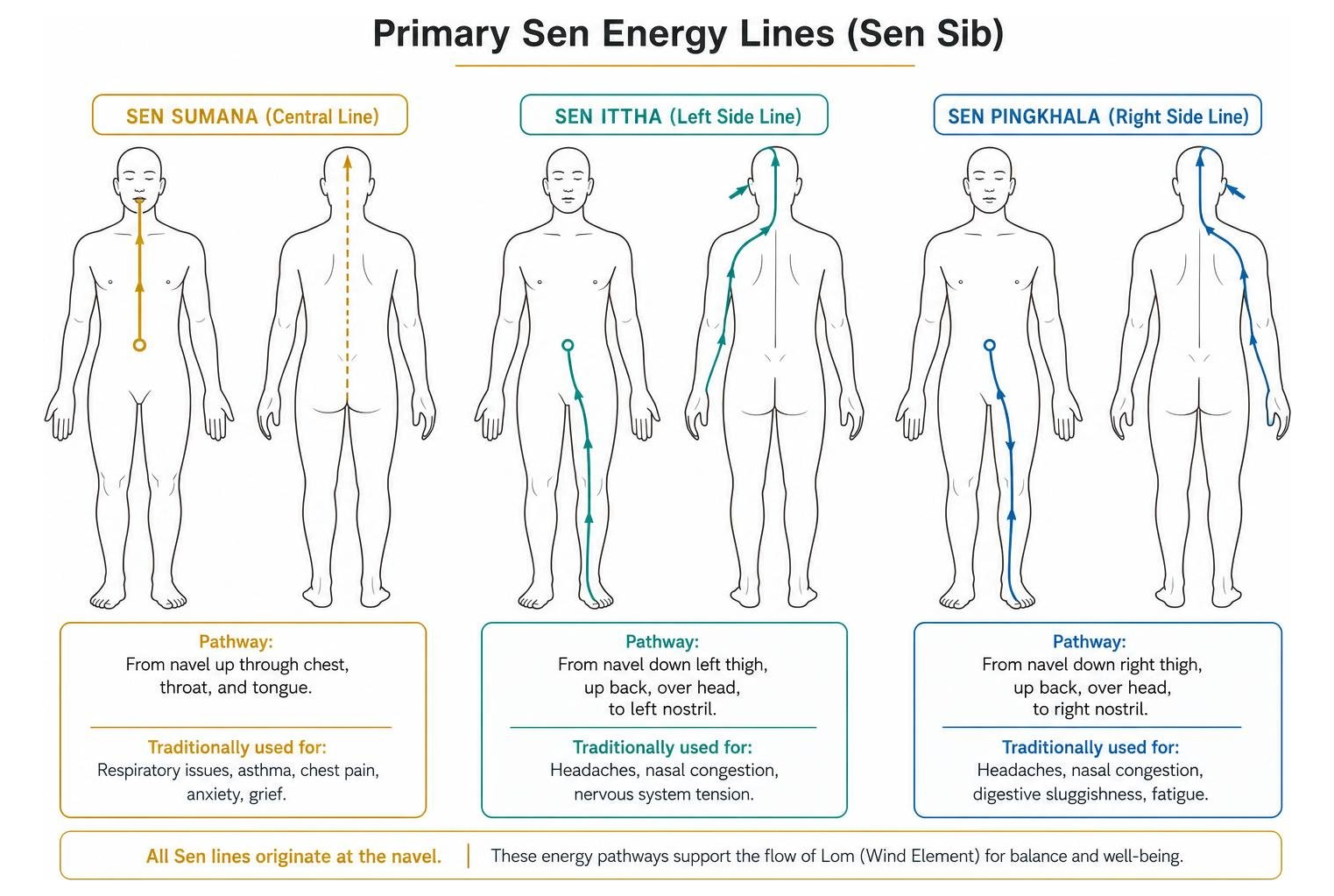
To facilitate the smooth flow of Lom, traditional Thai medicine maps a network of 72,000 energy pathways called Sen lines. While this system shares similarities with Chinese meridians and Indian nadis, the Thai Sen system has its own distinct pathways and therapeutic applications.
Practitioners focus primarily on the “Sen Sib” (the ten main energy lines). By applying rhythmic pressure along these specific pathways, we can clear blockages and restore balance. The three most prominent Sen lines include:
- Sen Sumana: This central line runs from the navel, up through the chest, throat, and tongue. It is closely linked to respiratory issues, asthma, chest pain, and emotional imbalances like anxiety or grief.
- Sen Ittha: Running along the left side of the body, this line begins at the navel, travels down the left thigh, up the back, over the head, and terminates at the left nostril. It is traditionally worked to relieve headaches, nasal congestion, and nervous system tension.
- Sen Pingkhala: This is the mirror image of Sen Ittha, running along the right side of the body and terminating at the right nostril. It is used to address similar issues on the right side, as well as digestive sluggishness and physical fatigue.
Practical Benefits, Safety, and Adaptations
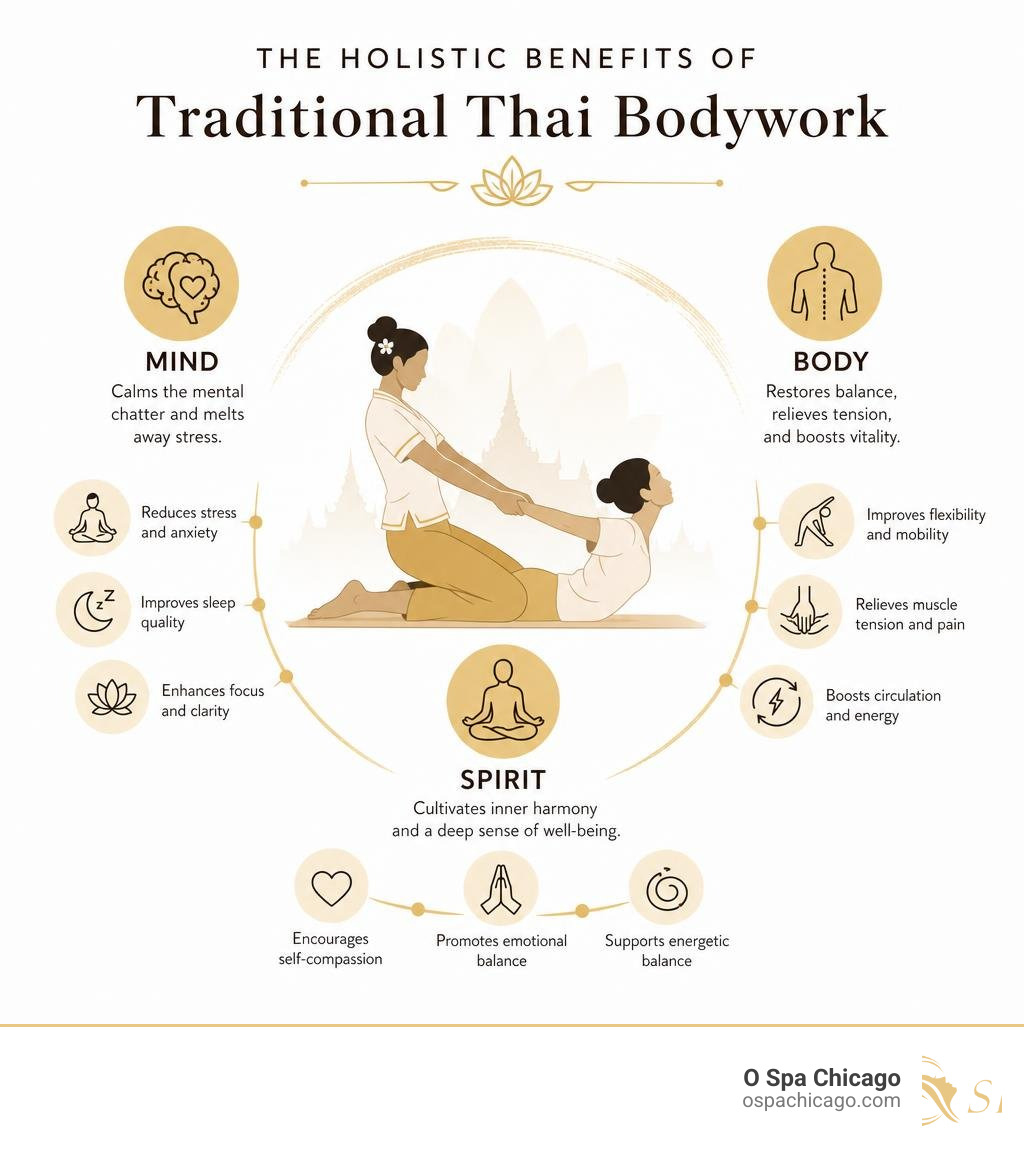
By combining deep compression, joint mobilization, and energy line clearing, traditional Thai bodywork delivers a wide range of physical and mental benefits:
- Enhanced Flexibility and Range of Motion: The passive, yoga-like stretches gently open tight joints, lengthen shortened muscles, and improve overall mobility.
- Natural Pain Relief: Rhythmic compression and acupressure stimulate blood flow, release trigger points, and help alleviate chronic lower back pain, tension headaches, and shoulder stiffness.
- Stress Reduction: The meditative rhythm of the strokes lowers cortisol levels, calms the sympathetic nervous system, and promotes deep mental clarity.
- Improved Digestion: Traditional Thai massage includes gentle abdominal work that stimulates peristalsis, helping to relieve bloating and sluggish digestion.
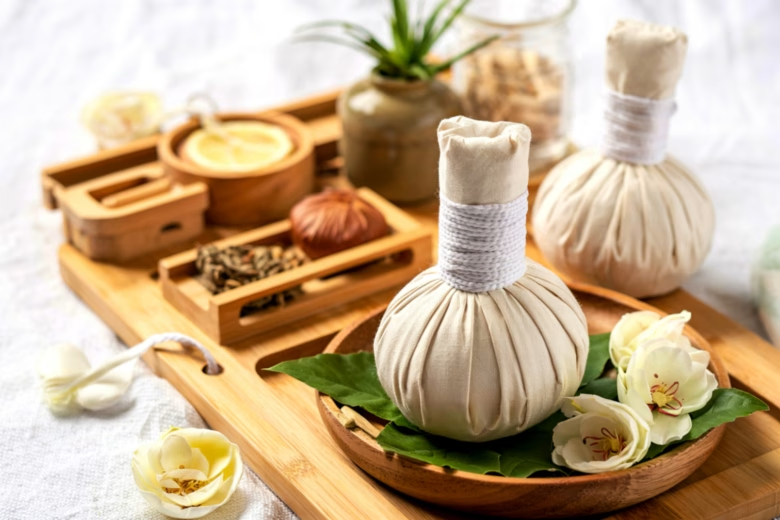
For an even deeper therapeutic experience, Thai bodywork can be combined with Luk Pra Kob herbal compress therapy. This traditional technique uses steamed muslin pouches filled with medicinal Thai herbs—such as plai (Zingiber cassumunar), turmeric, lemongrass, kaffir lime, and camphor. The therapist presses these warm compresses along the Sen lines, combining thermotherapy and transdermal herbal absorption to soothe sore muscles, reduce inflammation, and open the sinuses.
Contraindications and Special Populations
While traditional Thai bodywork is incredibly safe and therapeutic, it is a vigorous modality that requires careful consideration. Certain conditions require modifications or may serve as contraindications:
- Osteoporosis and Bone Fractures: Deep pressure and intense stretching must be avoided to prevent injury to fragile bones.
- Cardiovascular Disease and High Blood Pressure: Strong compression can temporarily alter blood flow, so sessions must be adapted to keep the heart rate and blood pressure stable.
- Pregnancy: While highly beneficial, prenatal Thai massage requires specialized training. Deep abdominal pressure is strictly avoided, stretching is minimized due to the presence of the hormone relaxin, and the client is positioned comfortably on their side rather than flat on their stomach.
- Recent Surgeries or Open Wounds: Areas with recent surgical incisions, joint replacements, or acute injuries must be avoided entirely.
Sessions can easily be adapted in length, typically running for 60, 90, or 120 minutes depending on your wellness goals. If you’re ready to experience this healing art for yourself, be sure to Check out our current spa specials for seasonal offerings in Chicago.
Training, Certification, and Professional Standards
Because traditional Thai bodywork involves complex anatomical stretches and deep acupressure, professional training is essential for client safety. In Thailand, the practice is highly regulated. A licensed traditional massage practitioner is required to complete at least 800 hours of rigorous training and must register with the Public Health Ministry’s Department of Health Service Support (HSS).
The historic epicenter of this training is the Wat Pho Thai Traditional Medical and Massage School, established in Bangkok in 1955. Here, students spend hundreds of hours mastering anatomy, Sen line theory, body mechanics, and the spiritual principles of Metta.
For those looking to learn more about how these ancient standards are preserved globally, the UNESCO cultural heritage details provide deep insight into the international efforts to maintain the authenticity and safety of this beautiful practice.
Frequently Asked Questions about Thai Massage
What should I wear to a traditional Thai massage session?
You should wear loose, comfortable clothing that allows for a full range of motion. Think of what you would wear to a yoga or fitness class—flexible sweatpants, leggings, and a comfortable t-shirt are perfect. Avoid wearing stiff jeans, heavy sweaters, or clothing with large buttons or zippers that might press uncomfortably into your skin during the session.
How does Thai massage differ from Swedish massage?
Unlike Swedish massage, which uses oils on bare skin to perform gliding strokes, traditional Thai massage is performed dry over your clothing. You will lie on a comfortable floor mat rather than a table, and your practitioner will actively move your body through deep, passive stretches and apply rhythmic compression along energy pathways rather than simply kneading muscle tissue.
Is Thai bodywork safe during pregnancy?
Yes, but with important modifications. It is generally recommended to wait until the second trimester, and you must work with a certified prenatal practitioner who understands how to adapt the session. The therapist will use side-lying positions, avoid deep abdominal work, and refrain from using certain acupressure points that are contraindicated during pregnancy. Always get clearance from your doctor before scheduling.
Conclusion
Traditional Thai bodywork is more than just a massage; it is a holistic journey that invites your body to open, your mind to quiet, and your vital energy to flow freely. Whether you are seeking relief from chronic desk fatigue, hoping to improve your athletic flexibility, or simply looking for a peaceful escape from the busy streets of Chicago, this ancient art form offers a powerful path to balance.
At O Spa Chicago, located in the heart of River North, we specialize in providing premium, personalized wellness experiences tailored to your unique body. Our skilled therapists combine ancient wisdom with organic products to help you feel your absolute best. Walk-ins and same-day appointments are always welcome.
Are you ready to experience the deep, restorative benefits of Nuad Bo’Rarn? Book your premium massage services today and let us help you find your center.