Is a Professional Head Wash and Massage Worth the Price?
October 19, 2026
The Complete Guide to Deep Tissue Bodywork
October 23, 2026
Scalp Treatment Starts With the Right Match
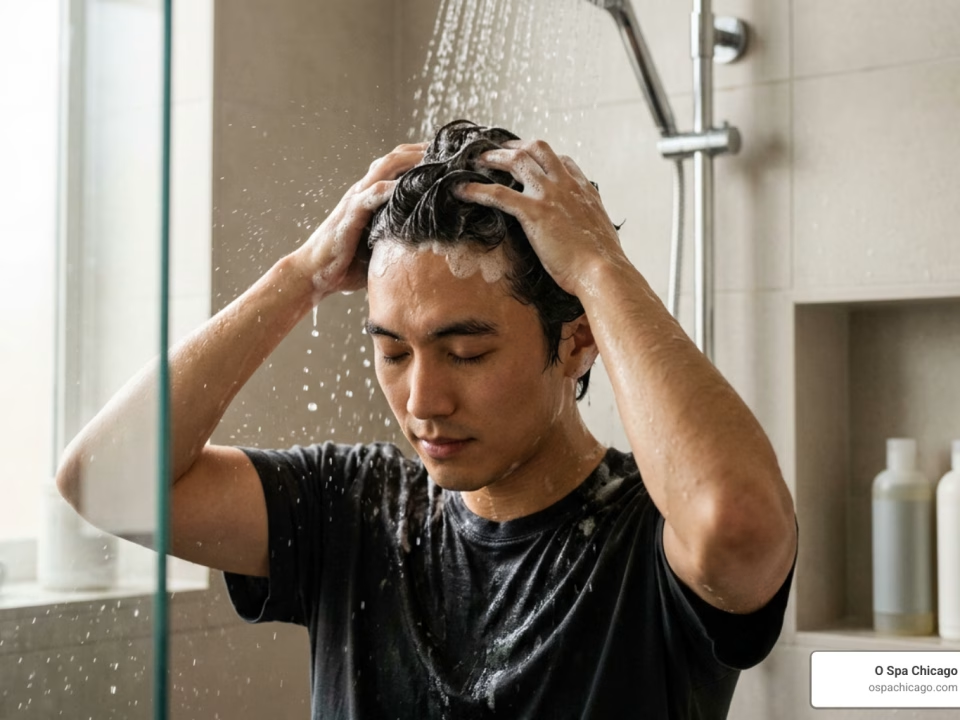
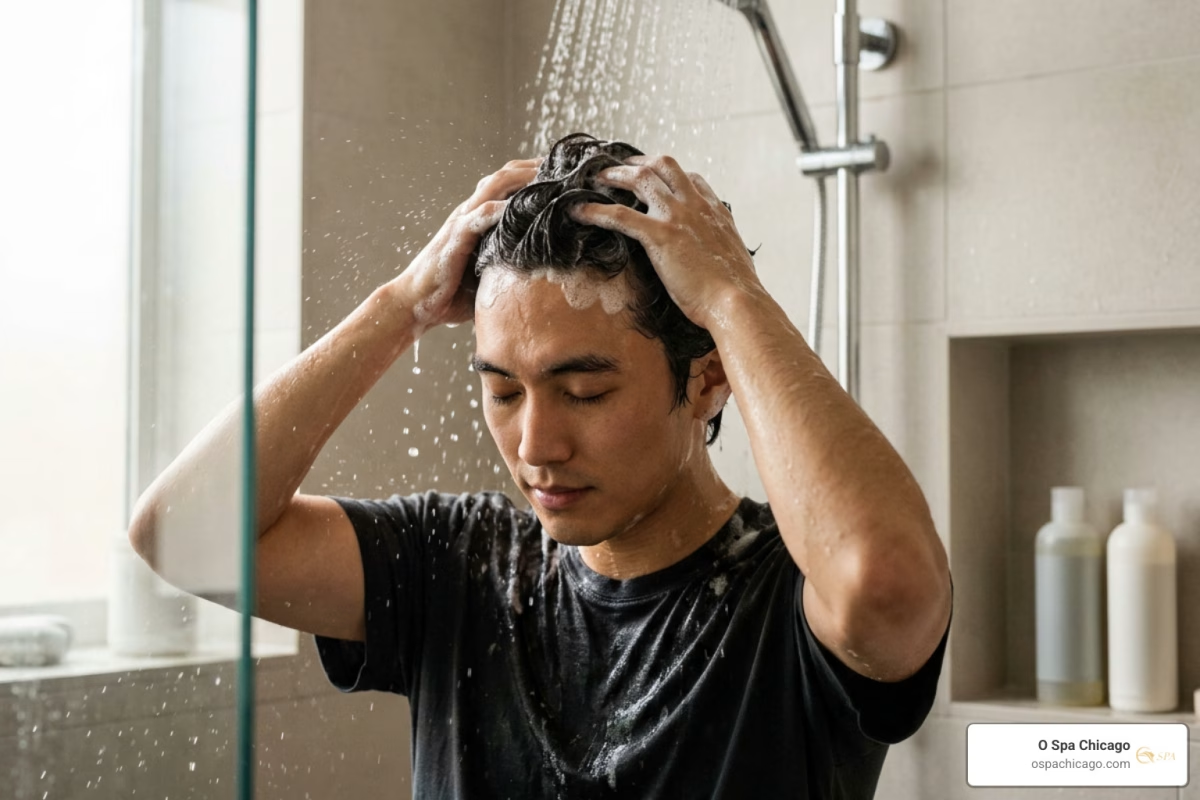
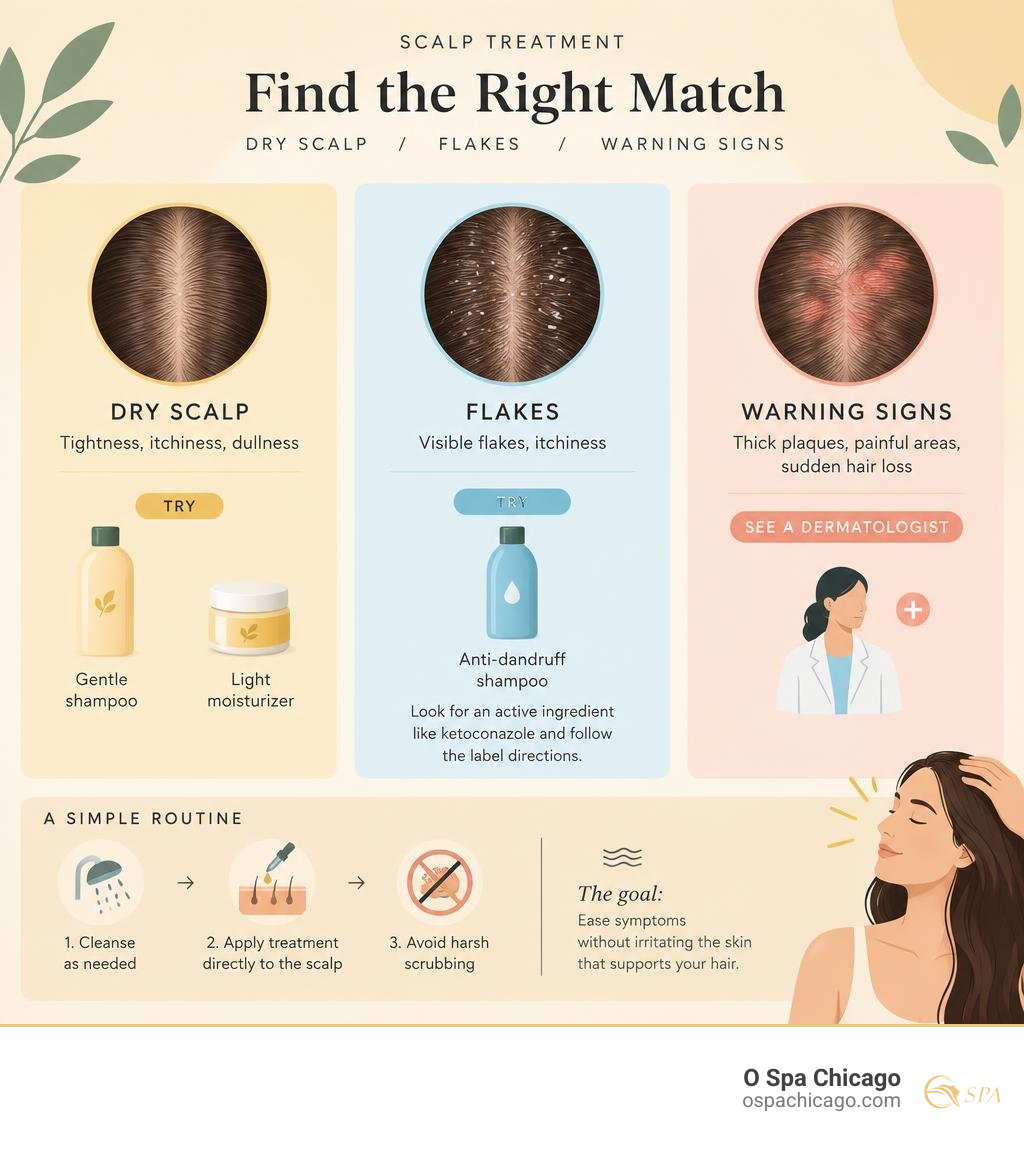
The best scalp treatment depends on what your scalp needs. For dryness or tightness, try a gentle shampoo and a light moisturizer. For recurring flakes, choose an anti-dandruff shampoo with an active ingredient such as ketoconazole, and follow the label directions. If you have thick plaques, painful areas, or sudden hair loss, see a dermatologist rather than trying more products.
A simple routine is often enough: cleanse as needed, apply treatment directly to the scalp, and avoid harsh scrubbing. The goal is to ease symptoms without irritating the skin that supports your hair.
I’m June Liu, owner of O Spa Chicago, where my work focuses on personalized hair, scalp, and wellness care. I bring that practical approach to scalp treatment: start with the concern you can see and feel, then choose care that fits your life.
Understanding Scalp Health and Common Conditions
We often view our hair as an isolated feature, forgetting that every strand emerges from living tissue. Just like the skin on your face, your scalp has a delicate barrier, a bustling microbiome, and sebaceous glands that regulate natural oils. When this ecosystem falls out of balance, cellular turnover accelerates, leading to irritation, redness, and flaking.
A key factor in many scalp imbalances is Malassezia, a lipid-loving yeast that naturally lives on human skin. When sebaceous glands overproduce oil, this yeast feeds on the excess sebum, breaking it down into irritating fatty acids. For sensitive individuals, this triggers inflammation and rapid shedding of skin cells. Recognizing different scalp conditions and clinical manifestations helps you choose the right approach rather than guessing in the shower aisle.
| Condition | Primary Cause | Flake Characteristics | Scalp Appearance | Common Symptoms |
|---|---|---|---|---|
| Dry Scalp | Moisture depletion & barrier damage | Small, white, dry, easily dislodged | Tight, dull, minimal redness | Mild itching, surface tension |
| Dandruff | Malassezia overgrowth & excess oil | Fine to medium, white or light yellow | Mild erythema, slightly oily | Persistent itch, noticeable flaking |
| Seborrheic Dermatitis | Severe inflammatory yeast reaction | Greasy, thick, yellowish flakes | Red, inflamed patches, greasy sheen | Intense itching, burning, crusting |
| Scalp Psoriasis | Autoimmune rapid cell turnover | Thick, silvery-white, adherent scales | Well-defined red plaques, raised skin | Burning, tightness, bleeding if picked |
Differentiating Dandruff, Seborrheic Dermatitis, and Psoriasis
Telling these conditions apart is essential for effective relief. While standard dandruff stays confined to fine flaking, seborrheic dermatitis is a chronic inflammatory disorder. It often produces greasy scales that cling to the hairline, behind the ears, and across the eyebrows. Exploring natural remedies for seborrheic dermatitis can provide gentle relief by regulating yeast without stripping sensitive skin.
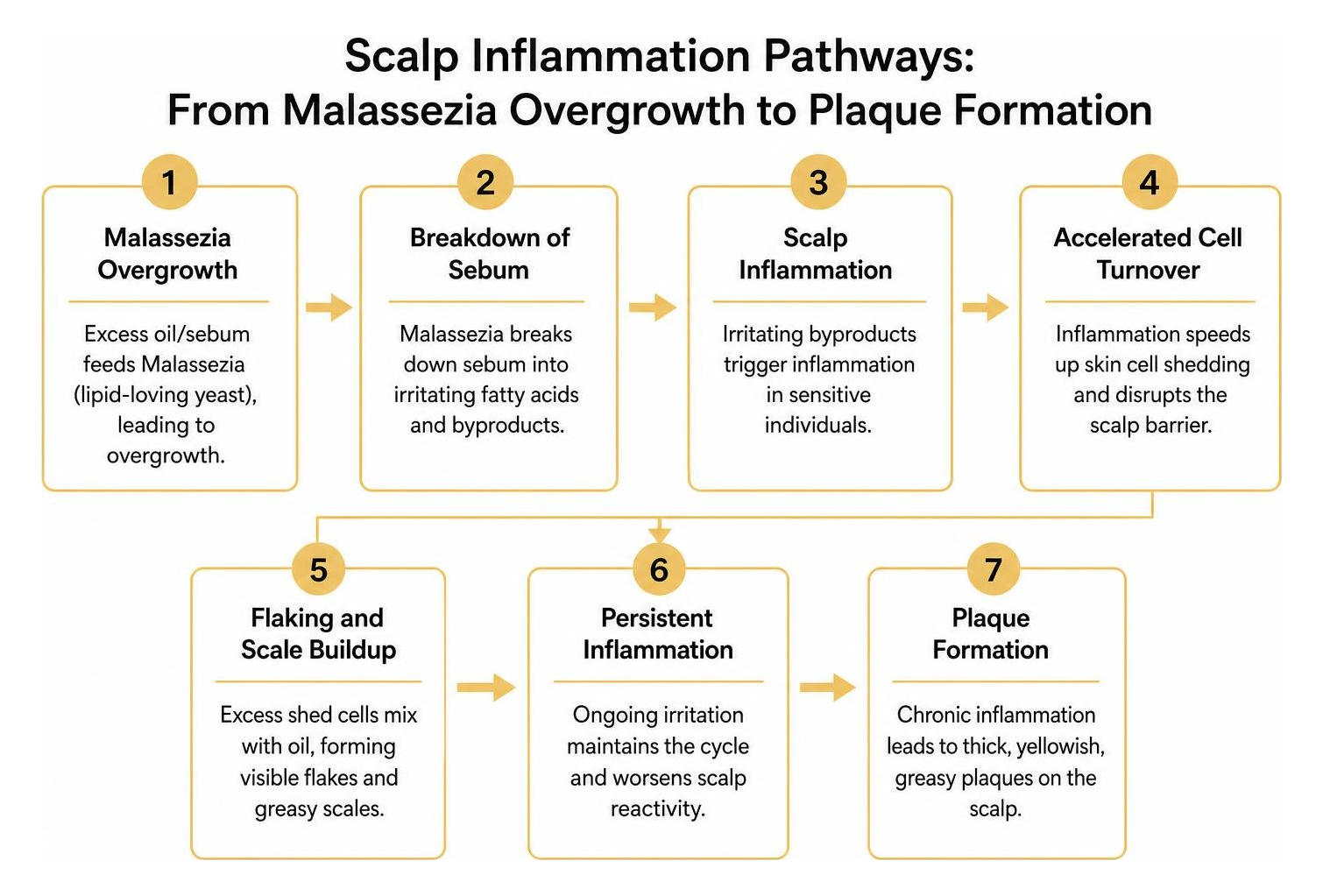
Scalp psoriasis operates on an autoimmune mechanism where skin cells reproduce in days rather than weeks. This leads to raised, thick plaques covered in silvery scales. In fact, clinical data shows that 45% to 56% of individuals with psoriasis experience symptoms on their scalp, and among all psoriasis sufferers, scalp involvement reaches 75% to 90%. Reviewing a scalp psoriasis diagnosis guide highlights how this condition differs from ordinary dandruff. If you struggle with stubborn buildup, incorporating targeted psoriasis scalp therapies helps soften and lift scales safely.
Dry Scalp, Sensitivity, and Folliculitis
A dry scalp occurs when the skin barrier loses lipid integrity and hydration, often due to dry winter air, harsh sulfate cleansers, or excessively hot shower water. Unlike dandruff, dry scalp produces small, powder-like flakes without excess oil.
When the barrier is compromised, hair follicles become vulnerable to bacterial or fungal invasion, a condition known as folliculitis. This appears as small, tender, red bumps or pustules around hair roots that can sting or itch. Choosing soothing products for dry scalp formulated with urea, colloidal oatmeal, or ceramides helps rebuild the skin barrier, restore moisture, and calm tender follicles.
Choosing the Right Scalp Treatment for Your Specific Needs
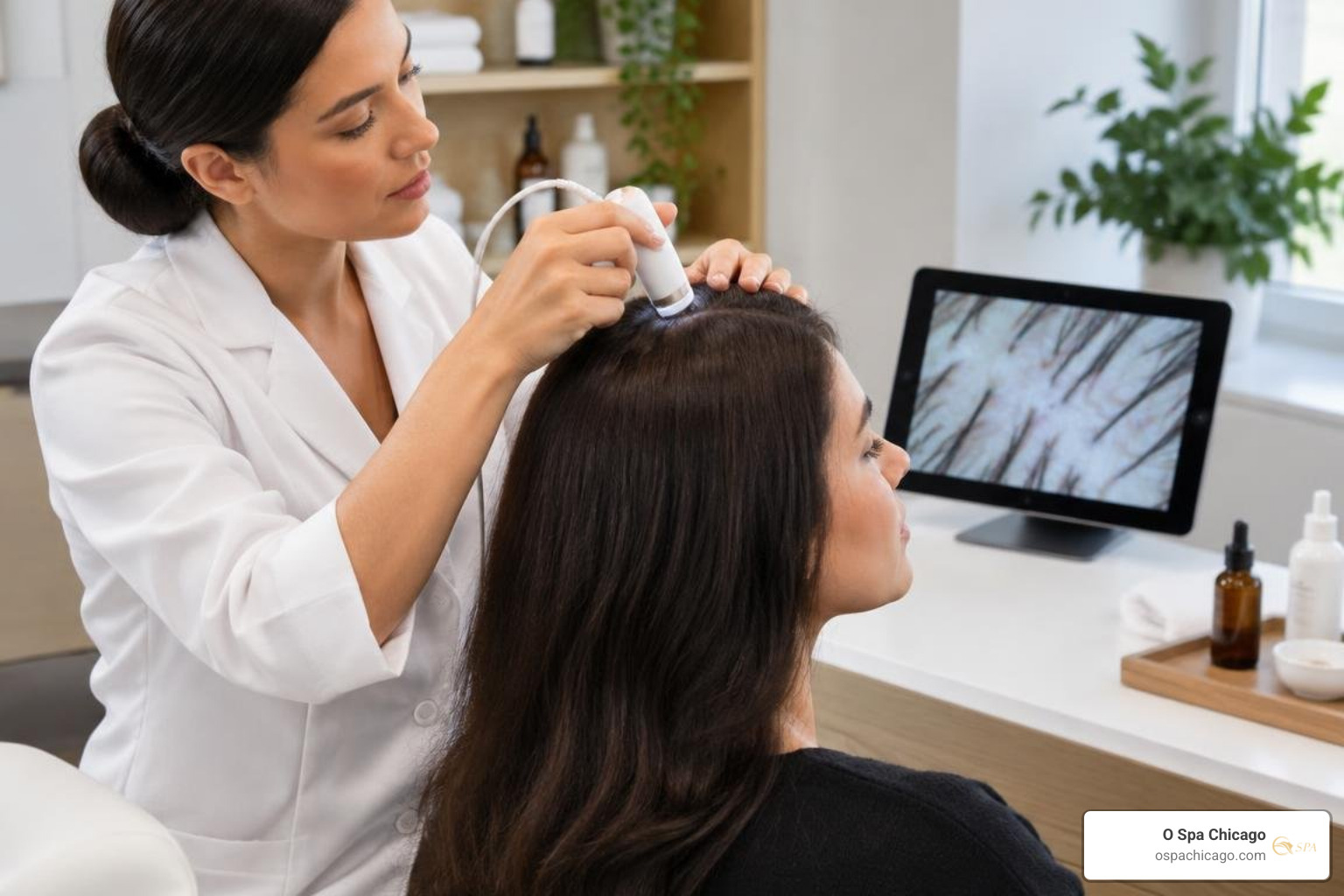
Finding the right formula starts with identifying your specific scalp type. Applying heavy, pore-clogging oils to an oily, dandruff-prone scalp often feeds yeast and worsens flaking. Conversely, using clarifying, astringent treatments on a dehydrated, tight scalp damages the moisture barrier further. For a thorough overview of balanced routines, our comprehensive scalp and hair care guide outlines how to coordinate root health with strand strength.
Targeted Scalp Treatment Ingredients by Condition
When scanning ingredient labels, look for scientifically backed actives that target your core concerns:
- Salicylic Acid (BHA): A gentle chemical exfoliant that dissolves sticky sebum bonds and lifts stubborn scale buildup.
- Ketoconazole & Pyrithione Zinc: Proven antifungal agents that target Malassezia overgrowth to calm inflammation and eliminate dandruff flakes.
- Tea Tree Oil: A natural antimicrobial and anti-inflammatory botanical that clarifies pores and soothes irritation.
- Niacinamide (Vitamin B3): Helps balance sebum production, strengthens the skin barrier, and calms redness.
- Hyaluronic Acid & Ceramides: Essential hydrators that replenish moisture and repair protective lipids on dehydrated scalps.
For those experiencing heavy product residue or congested follicles, using deep cleansing and root clarifying methods clears follicle openings so active serums can absorb properly.
Scalp Detox and Exfoliation Essentials
Environmental pollutants, hard water minerals, dry shampoo powders, and styling polymers build up around hair roots over time. A periodic detox resets this environment, allowing roots to breathe.
Dermatologists and beauty editors frequently highlight top exfoliants, as seen in Vogue’s curated guide to 12 Scalp Detox Essentials to Reset Itchy, Flaky Hair. Combining gentle chemical exfoliants like lactic or glycolic acid with soothing botanicals like aloe vera removes dead skin without scratching the surface. If you are struggling with sudden weather-related irritation, explore our favorite dry scalp and dandruff relief options to rebalance moisture levels quickly.
How to Build an Effective At-Home Scalp Routine
Consistency and gentle technique form the foundation of a healthy hair care routine. Professional dermatological resources, including the American Academy of Dermatology’s everyday scalp care guidance, emphasize that how you wash and treat your scalp matters just as much as what products you use.
- Step 1: Pre-Cleanse Assessment (Weekly) — Check for dryness or product buildup before washing to decide whether you need an exfoliating scrub, a clarifying wash, or a pre-shampoo oil.
- Step 2: Targeted Exfoliation (1–2x Weekly) — Apply a gentle salicylic acid treatment or sugar-based scrub directly to damp roots, massaging with your fingertips for 60 seconds.
- Step 3: Therapeutic Cleansing — Work a sulfate-free or medicated shampoo directly into your scalp. Let active formulas sit for 3 to 5 minutes before rinsing.
- Step 4: Mid-Length Conditioning — Keep heavy conditioners and rich hair masks focused on your mid-lengths and ends to avoid congesting your roots.
- Step 5: Post-Wash Barrier Support — Apply a lightweight, leave-in peptide, ceramide, or hyaluronic acid serum directly to towel-dried roots to nourish the skin.
Integrating a Scalp Treatment into Your Weekly Hair Routine
How often you wash your hair should match your scalp’s oil production and your hair texture. Oily scalps thrive on cleansing every 1 to 2 days, normal scalps stay balanced washing every 2 to 3 days, and dry or coily hair types benefit from washing every 3 to 5 days.
Before cleansing, applying nutrient-rich botanical hair massage oils can protect vulnerable follicles and soften tight, dry skin. After washing, lock in vital hydration with nourishing scalp moisturizers designed to absorb quickly without leaving an oily residue. In clinical testing of modern barrier serums, participants experienced a 23% boost in scalp hydration after a single application, alongside a 10% immediate improvement in skin barrier integrity that climbed to 15% after 28 days of use.
Natural Remedies and Scalp Massage Techniques
At-home botanical care offers gentle relief for sensitive or irritated skin. Pure aloe vera gel delivers natural enzymes, cooling moisture, and anti-inflammatory compounds directly to burning areas. Jojoba oil closely mimics natural human sebum, making it an ideal carrier oil for balancing oil production without clogging pores.
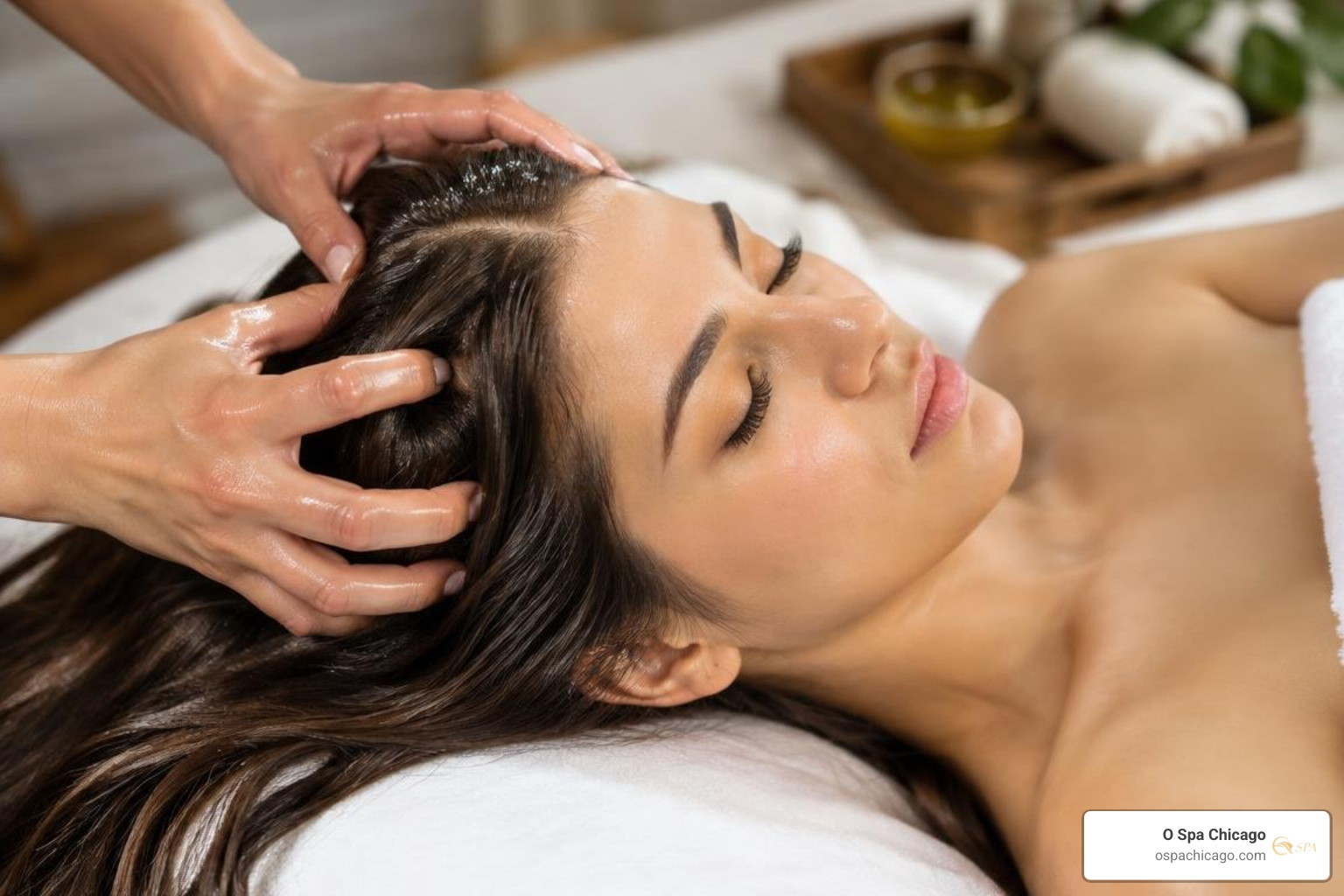
Massaging the scalp with circular fingertip pressure stimulates microcirculation, delivering oxygen and vital nutrients directly to hair matrices. Taking time to learn coconut oil scalp massage benefits allows you to condition your skin and lift surface debris without irritating sensitive tissue. Pairing consistent mechanical stimulation with proven hair growth treatments creates an optimal environment for fuller, stronger hair growth over time.
Clinical Interventions and When to Consult a Dermatologist
While at-home routines handle everyday dryness and mild flaking well, chronic or severe symptoms require professional medical evaluation. You should consult a board-certified dermatologist if you notice:
- Redness, severe itching, or burning that persists beyond 4 weeks of consistent over-the-counter care.
- Thick, adherent plaques that crack, bleed, or spread past your hairline.
- Tender pustules, swelling, or signs of localized bacterial infection.
- Sudden, patchy, or unexplained hair shedding accompanied by scalp soreness.
In-Office Dermatologic and Spa Therapies
For stubborn or treatment-resistant conditions, clinical practices and medical spas offer advanced procedural therapies. As highlighted in research on Dermatologic Procedures for Seborrheic Dermatitis, therapies such as narrow-band UVB phototherapy, intense pulsed light, precision cryotherapy, and picosecond lasers help lower sebum output and calm inflammation when topical products fall short.
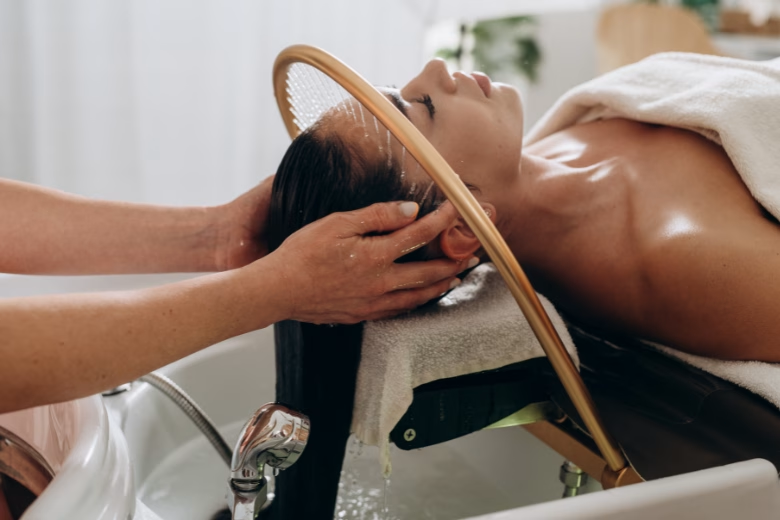
In wellness settings, therapeutic head spa services combine deep botanical clarifying with lymphatic drainage and tension relief. Our guests at O Spa in Chicago often pair restorative hair care with Swedish massage and professional scalp therapy to relieve neck tension, boost microcirculation, and deeply nourish dry hair roots.
Prescription Medications and Long-Term Prevention
When dealing with diagnosed clinical disorders like scalp psoriasis or lichen planopilaris, dermatologists often prescribe targeted medical therapies:
- Topical Corticosteroid Solutions & Foams: Quickly calm acute inflammation, swelling, and severe itching during active flare-ups.
- Vitamin D Analogues: Regulate rapid cellular turnover and help prevent thick plaque formation over time.
- Prescription Antifungal Formulations: High-strength shampoos and leave-on foams (such as 2% ketoconazole or ciclopirox) to keep resistant yeast colonization under control.
- Scale Softeners (Keratolytics): Medical-grade ointments formulated with salicylic acid or coal tar to lift thick, crusted scale before applying topical medications.
Maintaining healthy skin over the long term requires managing everyday stress, eating a nutrient-dense diet rich in zinc and omega fatty acids, and avoiding tight, high-tension hairstyles that stress hair follicles.
Frequently Asked Questions about Scalp Health and Care
How often should I use a scalp treatment?
Treatment frequency depends on the specific formula and your underlying concern. Exfoliating scrubs and clarifying salicylic acid treatments should be used only once or twice a week to avoid over-stripping your skin barrier. Lightweight, leave-in balancing serums and hydrating peptide solutions can be applied 3 times a week or even daily to maintain optimal moisture levels.
Can a scalp treatment help reduce hair thinning and stimulate growth?
Yes, indirectly. While genetic hair loss requires targeted medical therapies like minoxidil or prescription blockers, keeping your scalp clean and balanced removes inflammatory sebum, product buildup, and fungal overgrowth that can constrict hair follicles. Regular massage also stimulates blood flow, delivering essential oxygen and micronutrients to support the active anagen growth phase.
How can I tell if my scalp is dry or if I have dandruff?
The simplest way to tell is by looking at the color, size, and texture of the flakes. Dry scalp flakes are tiny, white, dry, and fall easily like dust when you shake your hair, usually accompanied by an overall feeling of skin tightness. Dandruff produces larger, yellowish, oily flakes that cling to the roots and hair shaft, typically accompanied by redness and persistent itching driven by excess sebum and yeast activity.
Conclusion
A healthy, balanced scalp provides the foundation for resilient, vibrant hair. By identifying your specific concerns, selecting active ingredients that target your needs, and maintaining a gentle weekly routine, you can eliminate flaking, calm irritation, and encourage optimal hair growth.
At O Spa Chicago, located in the heart of River North, we specialize in personalized wellness rituals using high-performance organic botanicals. Whether you want to soothe a sensitive scalp, clear stubborn buildup, or simply unwind with a restorative head spa ritual, explore our full menu of luxury scalp and spa services to book your customized treatment today.