All About Traditional Thai Bodywork
August 19, 2026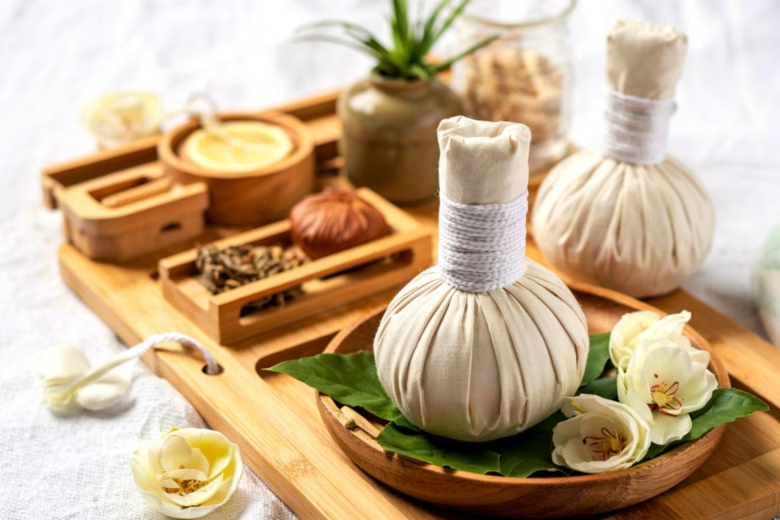
What Is a Thai Herbal Compress?
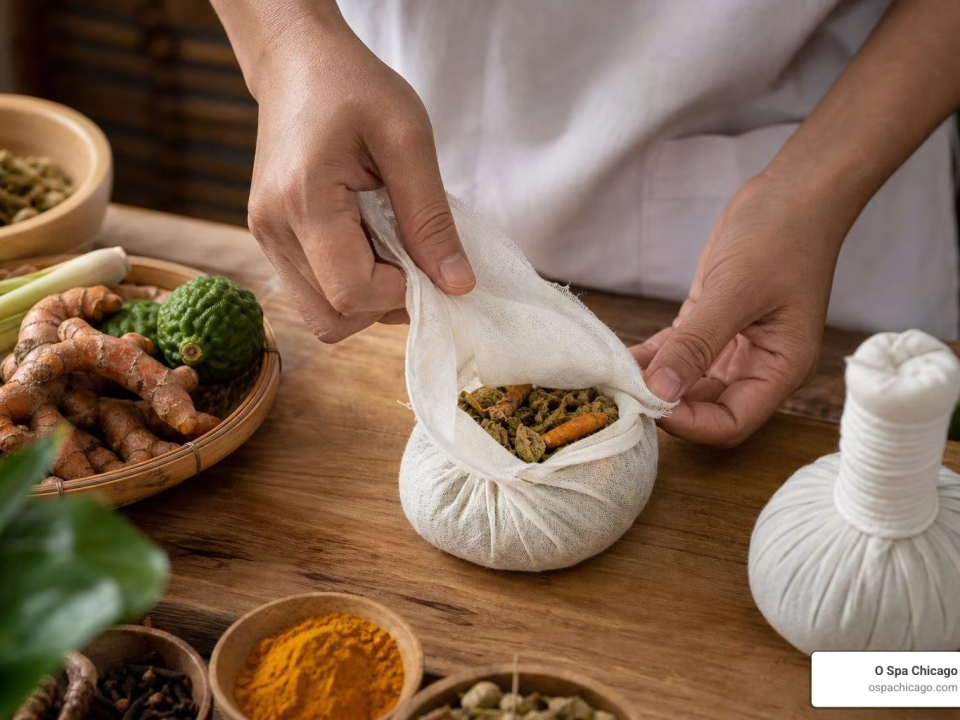
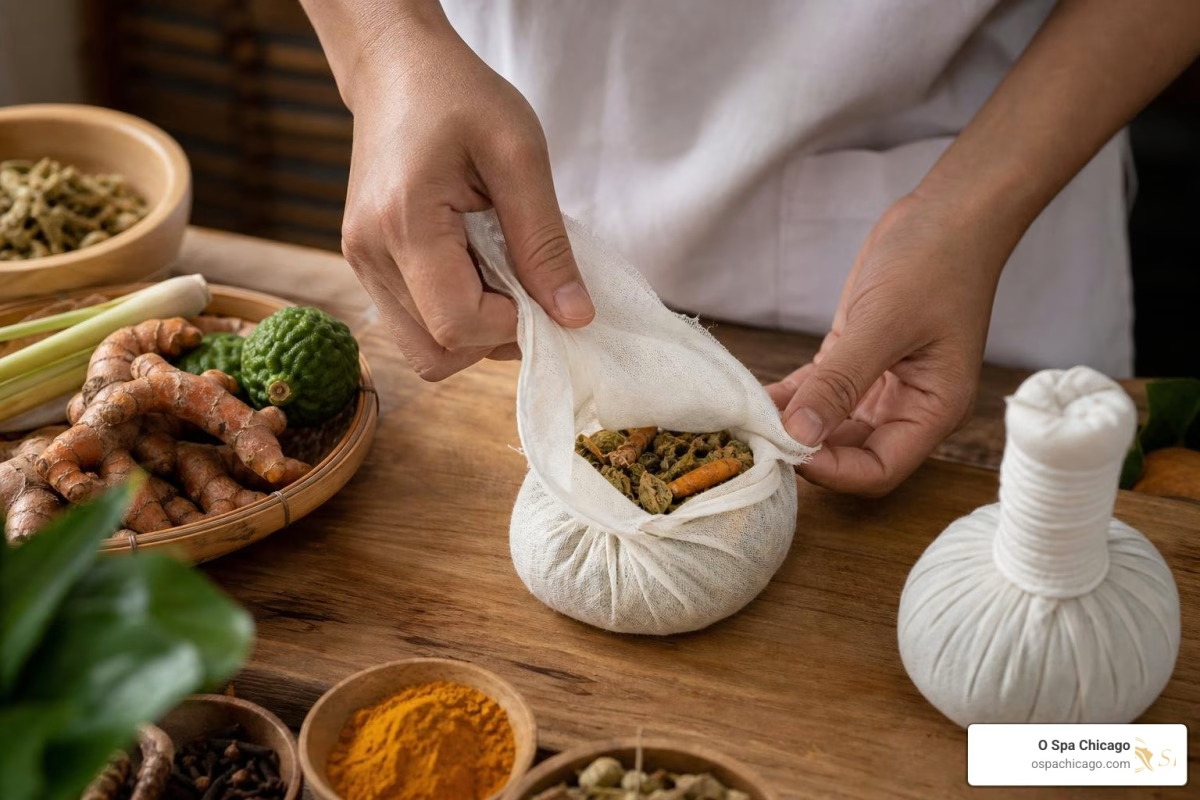
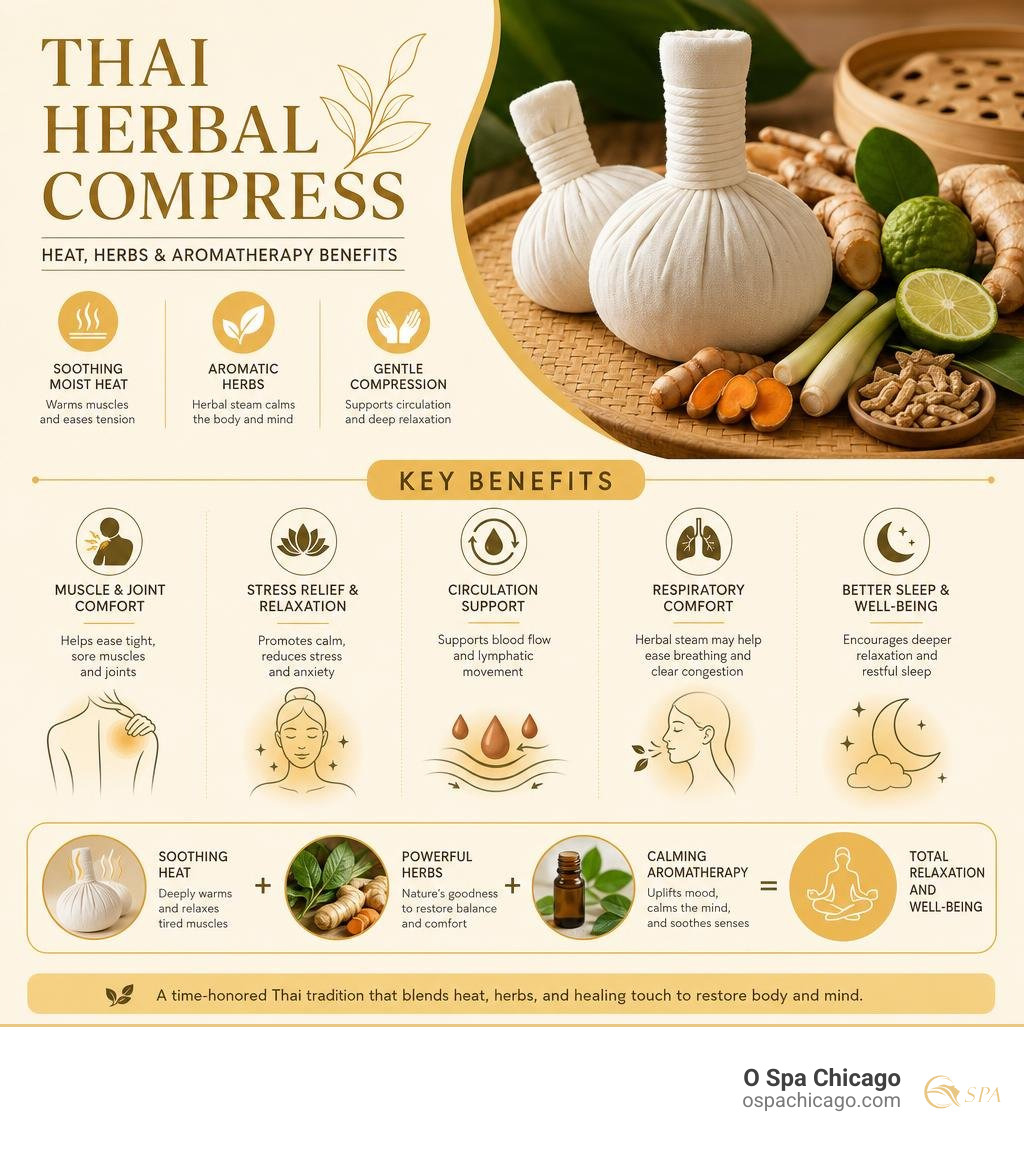
A Thai herbal compress is a warm cotton bundle, also called Luk Pra Kob, filled with aromatic herbs such as plai, turmeric, lemongrass, and camphor. It is steamed, then gently pressed and rolled over the body to ease tight muscles, support relaxation, and add soothing moist heat to a massage.
| Quick answer | What it means |
|---|---|
| Traditional name | Luk Pra Kob, often translated as an herbal pressing ball |
| What is inside | Herbs, rhizomes, citrus peel, leaves, salt, and aromatic ingredients wrapped in cotton |
| How it is used | Steamed for moist heat, then pressed onto sore or tense areas |
| Why people use it | Muscle and joint comfort, stress relief, circulation support, and deep relaxation |
| What research suggests | Clinical studies show promising results for pain relief and postpartum milk secretion, though higher-quality research is still needed |
Thai herbal compresses have deep roots in Thai traditional medicine and have been used for centuries in recovery-focused bodywork. Today, they are common in Thai massage and spa treatments because they combine three things busy bodies often need: targeted warmth, calming herbal scent, and hands-on pressure.
The experience is not just about heat. Steam releases the herbs’ volatile oils, while gentle compression helps warm tense tissue without the sharper pressure of a deep-tissue massage. For people managing desk-related neck tension, post-workout soreness, or everyday stress, it can be a practical way to slow down and recharge.
I am June Liu, owner of O Spa Chicago, where my work in personalized wellness focuses on high-quality, restorative body care. In this guide, I will break down the history, evidence, safety, and real-world use of a Thai herbal compress in clear, useful terms.
History and Science of the Thai Herbal Compress
To truly appreciate the Thai herbal compress, it helps to step back in time. Known literally as a “wrapped medicine ball” (Luk Pra Kob or Luk Prakob), this ancient thermal tool has been refined over thousands of years across Southeast Asia. Its roots trace back roughly 5,000 years, growing alongside Ayurvedic concepts and traditional Thai folk medicine.
Historically, rural practitioners and Buddhist monks preserved these botanical recipes within temple spaces, most notably at the iconic Wat Po temple in Bangkok. Legend and historical records tell us that these steaming herbal bundles were used on ancient Thai warriors returning from battle to reduce acute soreness, speed tissue recovery, and soothe physical trauma.
In modern times, traditional Thai massage (Nuad Thai) earned recognition on UNESCO’s Intangible Cultural Heritage list. Modern researchers in Thailand actively investigate the biological mechanisms behind these historical practices, bridging ancient wisdom with clinical science. When you receive a Thai herbal compress treatment, you reach what traditional Thai wellness calls Sa-BYE—a complete state of physical bliss, thermal ease, and quieted nerve activity.
Origins of Luk Pra Kob and Sen Line Theory
In traditional Thai medicine, physical health depends on the free flow of life force (often called Lom) through energetic pathways called Sen lines. While ancient texts describe up to 72,000 Sen pathways weaving across the body, traditional Thai bodywork focuses primarily on 10 major channels.
When emotional stress, physical trauma, or muscle fatigue causes energy to stagnate along these pathways, stiffness and pain follow. Therapists press heated Thai herbal compress balls along these precise lines to clear blockages, soften tight fascia, and balance energy. If you are curious about how these energetic concepts integrate with modern spa bodywork, you can discover local Thai bodywork techniques that bring these traditions into daily self-care.
Thermotherapy, Transdermal Absorption, and Aromatherapy
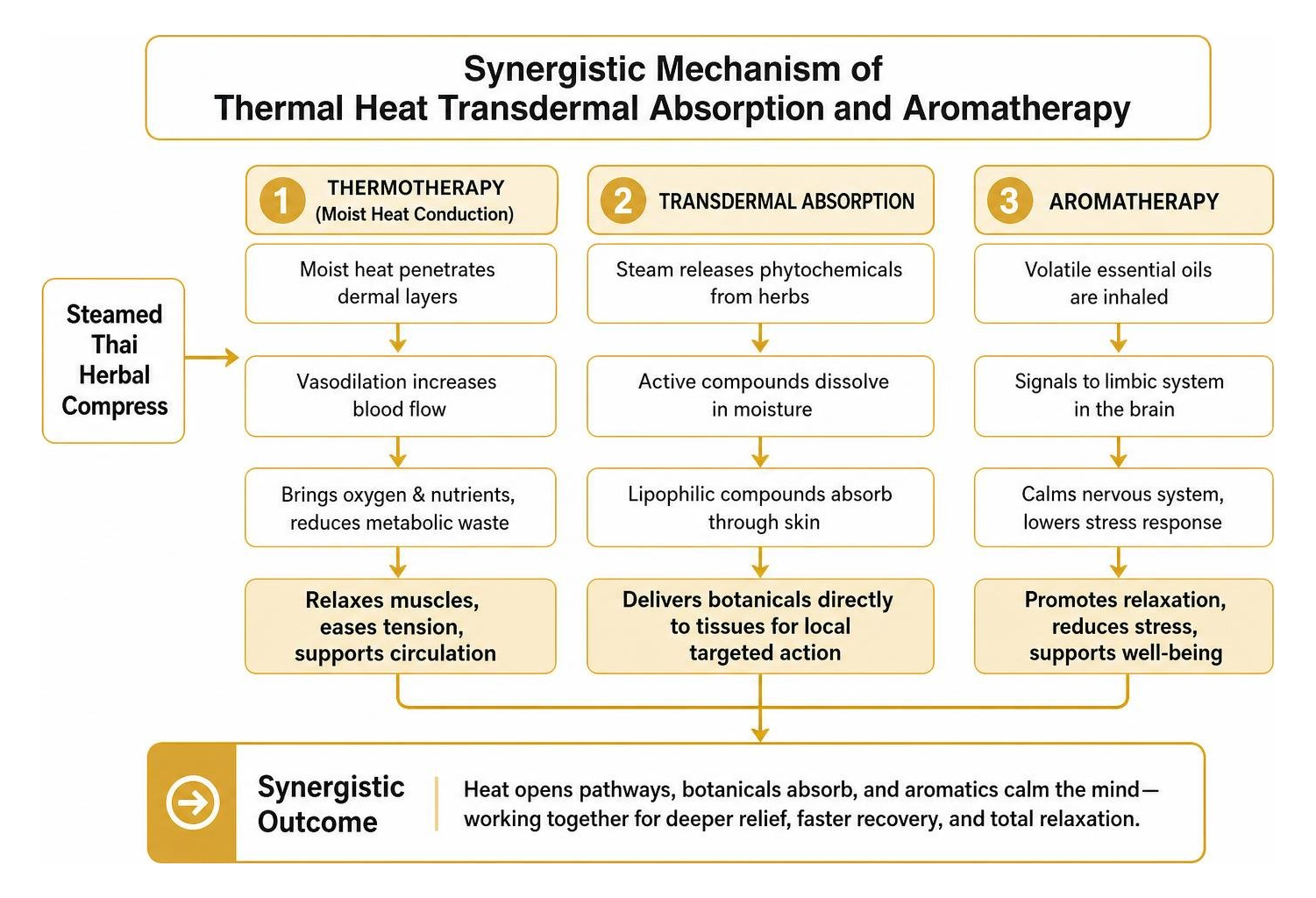
The magic of a Thai herbal compress lies in its threefold mechanism. It does not rely on just one single element; instead, it combines heat, chemistry, and scent into a single continuous delivery system.
- Thermotherapy (Moist Heat Conduction): Steaming the pouch creates moist heat that penetrates deeply into dermal layers. This heat triggers local vasodilation—expanding blood vessels to rush fresh, oxygen-rich blood into restricted muscle tissue while speeding up the removal of metabolic waste.
- Transdermal Absorption: As warm steam breaks down the botanical plant cell walls, active phytochemicals dissolve into liquid moisture. Pressed against the skin, these lipophilic essential compounds absorb directly into topical tissues, bypassing the digestive tract completely for direct local action.
- Aromatherapy: Inhaling the volatile essential oils (like eucalyptus, lemongrass, and camphor) sends immediate signals to the limbic system in the brain. This calms the sympathetic nervous system, helping lower circulating cortisol levels and slowing elevated heart rates.
Essential Ingredients and Therapeutic Benefits
An authentic Thai herbal compress is essentially a portable herbal pharmacy. Every ingredient wrapped inside the unbleached cotton muslin serves a specific physiological or therapeutic purpose.
- Plai (Zingiber cassumunar / Zingiber montanum): The undisputed star ingredient of Thai herbal medicine. Plai is a rhizome closely related to ginger, prized for its remarkable anti-inflammatory and analgesic compounds.
- Turmeric (Curcuma longa): Known for its vibrant yellow color and high curcumin content, turmeric offers potent antioxidant properties that calm skin irritation and reduce tissue swelling.
- Lemongrass (Cymbopogon citratus): Delivers a crisp, invigorating scent while acting as a natural antimicrobial agent and mild muscle relaxant.
- Kaffir Lime Peel & Leaves (Citrus hystrix): Rich in essential oils that tone the skin, boost local circulation, and clear nasal passages with a bright citrus fragrance.
- Camphor (Cinnamomum camphora): Provides a cooling-after-warming sensation that stimulates local blood circulation and numbs surface pain receptors.
- Tamarind Leaf (Tamarindus indica): The mild natural acidity of tamarind leaves acts as a skin softener and absorption enhancer, helping other herbal ingredients penetrate the skin barrier effectively.
- Galangal (Alpinia galanga): Adds warmth, eases joint stiffness, and contributes secondary anti-inflammatory compounds.
- Sea Salt: Acts as an organic preservative, absorbs moisture during storage, and retains heat during treatment while supplying trace minerals to the skin.
Key Botanicals in a Thai Herbal Compress Ball
When selecting or preparing a compress, ingredient ratios matter significantly. Plai and turmeric form the botanical engine for joint and muscle relief, while lemongrass and kaffir lime craft the uplifting aromatic profile.
If you enjoy practical crafts, learning how to craft authentic herbal compresses can give you a fascinating look into traditional mortar-and-pestle preparation, revealing how fresh botanicals are bruised to unlock their natural oils.
Clinical Evidence for Pain Relief and Lactation
While these herbal remedies feel wonderfully traditional, modern science confirms their real-world impact. A landmark systematic review and meta-analysis published in Evidence-Based Complementary and Alternative Medicine evaluated 13 clinical trials involving 778 human subjects to measure the true effects of Thai herbal compress treatments.
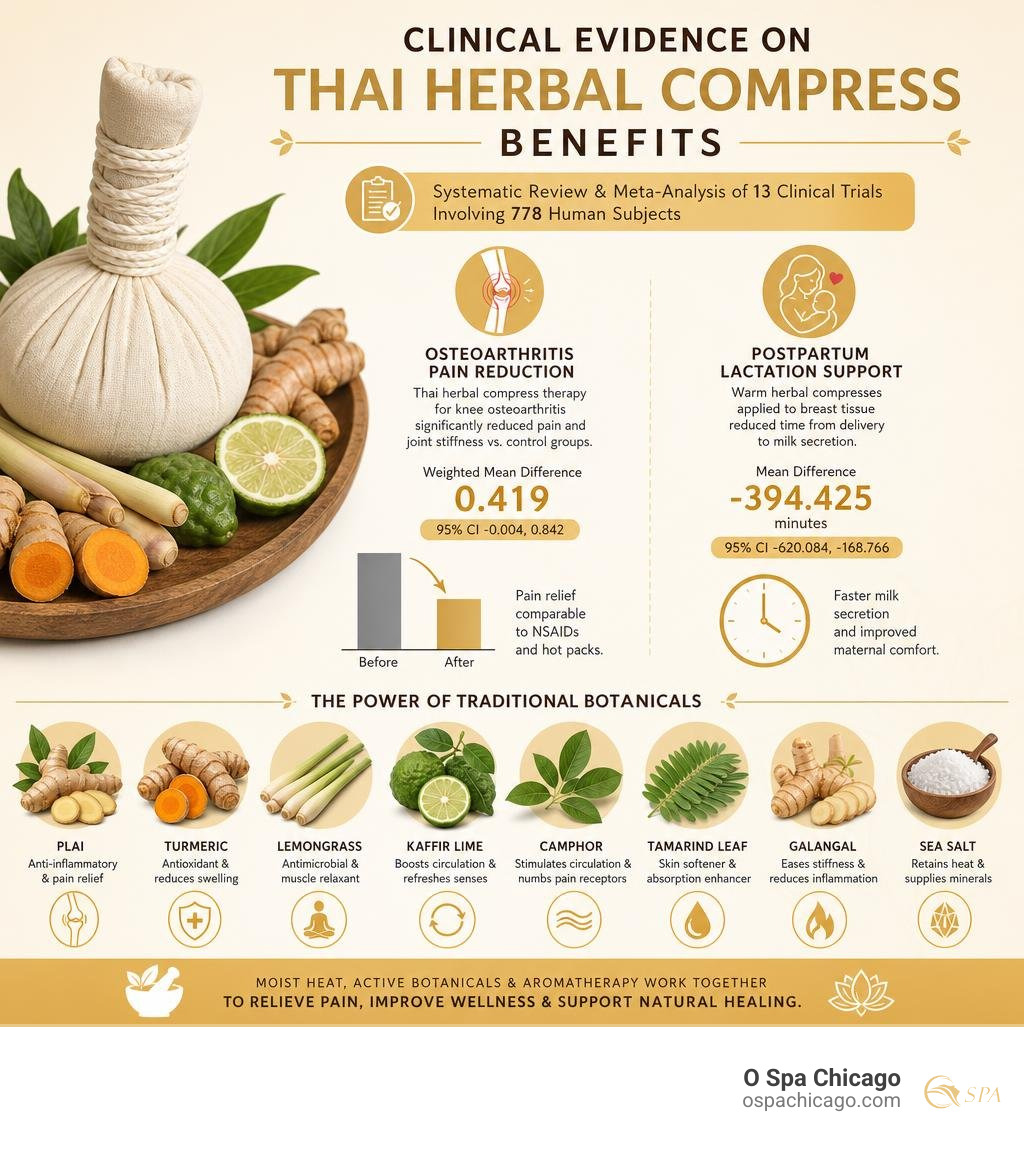
The statistical findings were remarkable:
- Osteoarthritis Pain Reduction: Patients receiving Thai herbal compress therapy for knee osteoarthritis experienced substantial reductions in pain and joint stiffness compared to control groups (weighted mean difference 0.419; 95% CI -0.004, 0.842). The pain relief proved comparable to conventional treatments, including nonsteroidal anti-inflammatory drugs (NSAIDs) and routine hot packs.
- Postpartum Lactation Support: In trials involving postpartum mothers, applying warm herbal compresses to breast tissue reduced the time from delivery to milk secretion by an average of 394 minutes (mean difference -394.425 minutes; 95% CI -620.084, -168.766). The combination of moist heat and aromatic botanicals helps unblock milk ducts and ease maternal anxiety.
Because of this clinical track record, the Thai herbal compress is officially listed in Thailand’s National List of Essential Medicines for treating muscular sprains, tendon inflammation, and joint discomfort. To dive deeper into the clinical trial data, you can read the complete paper on Clinical Effects of Thai Herbal Compress: A Systematic Review and Meta-Analysis. For those wanting to combine thermal remedies with comprehensive physical recovery, you can also learn about relaxing body treatments designed to restore total vitality.
How Thai Herbal Compress Therapy Compares to Other Treatments
When seeking relief for aching joints or chronically tight shoulders, choosing between modalities can feel confusing. Here is how a Thai herbal compress stacks up against other common recovery options:
| Feature / Benefit | Thai Herbal Compress | Hot Stone Therapy | Oral NSAIDs (e.g., Ibuprofen) |
|---|---|---|---|
| Primary Mechanism | Moist heat + Transdermal herbs + Aromatherapy | Dry retained heat + Deep focal pressure | Systemic biochemical enzyme inhibition |
| Target Area | Localized to applied muscles and energy lines | Localized to placed muscle groups | Systemic (entire body via bloodstream) |
| Active Botanical Action | Yes (Plai, Turmeric, Camphor, Lemongrass) | None (Inert mineral basalt stones) | None (Synthetic chemical compounds) |
| Gastrointestinal Risk | Zero GI side effects | Zero GI side effects | Potential risk of stomach irritation/ulcers |
| Sensory & Nervous System Impact | High (Inhaled essential oils lower cortisol) | Moderate (Calming physical warmth) | None (No direct nervous system calming) |
| Skin Conditioning | High (Nourishing plant oils & tamarind acid) | Minimal (Standard massage carrier oil) | None |
Thai Herbal Massage vs. Hot Stone Therapy
Both methods utilize heat to relax tight muscle fibers, but their delivery mechanisms differ significantly:
- Hot Stone Massage relies on smooth basalt stones rich in iron, which retain heat for long periods. The therapist uses these dense stones as heavy tools to deliver deep, firm focal pressure into major muscle groups.
- Thai Herbal Compress Therapy uses porous, breathable cotton balls packed with fresh or dried plants. Instead of heavy stone pressure, it relies on steam, volatile oils, and rhythmic dabbing. The herbs release active anti-inflammatory agents directly onto the skin, turning simple heat therapy into a phytotherapeutic treatment.
If you are deciding which bodywork style best fits your personal wellness routine, explore professional massage options tailored to your specific physical needs.
Herbal Compresses vs. Conventional NSAIDs
Over-the-counter NSAIDs like ibuprofen or naproxen offer convenience for acute pain, but long-term systemic use can sometimes irritate the stomach lining or stress the kidneys.
A Thai herbal compress delivers targeted anti-inflammatory compounds (like cassumunarins from plai and curcuminoids from turmeric) straight through the epidermal layer directly to inflamed tissue. This localized absorption provides non-pharmacological comfort without digestive upset, making it a wonderful natural alternative for managing chronic joint stiffness or fatigue.
DIY Guide: Making, Heating, and Applying Herbal Compresses
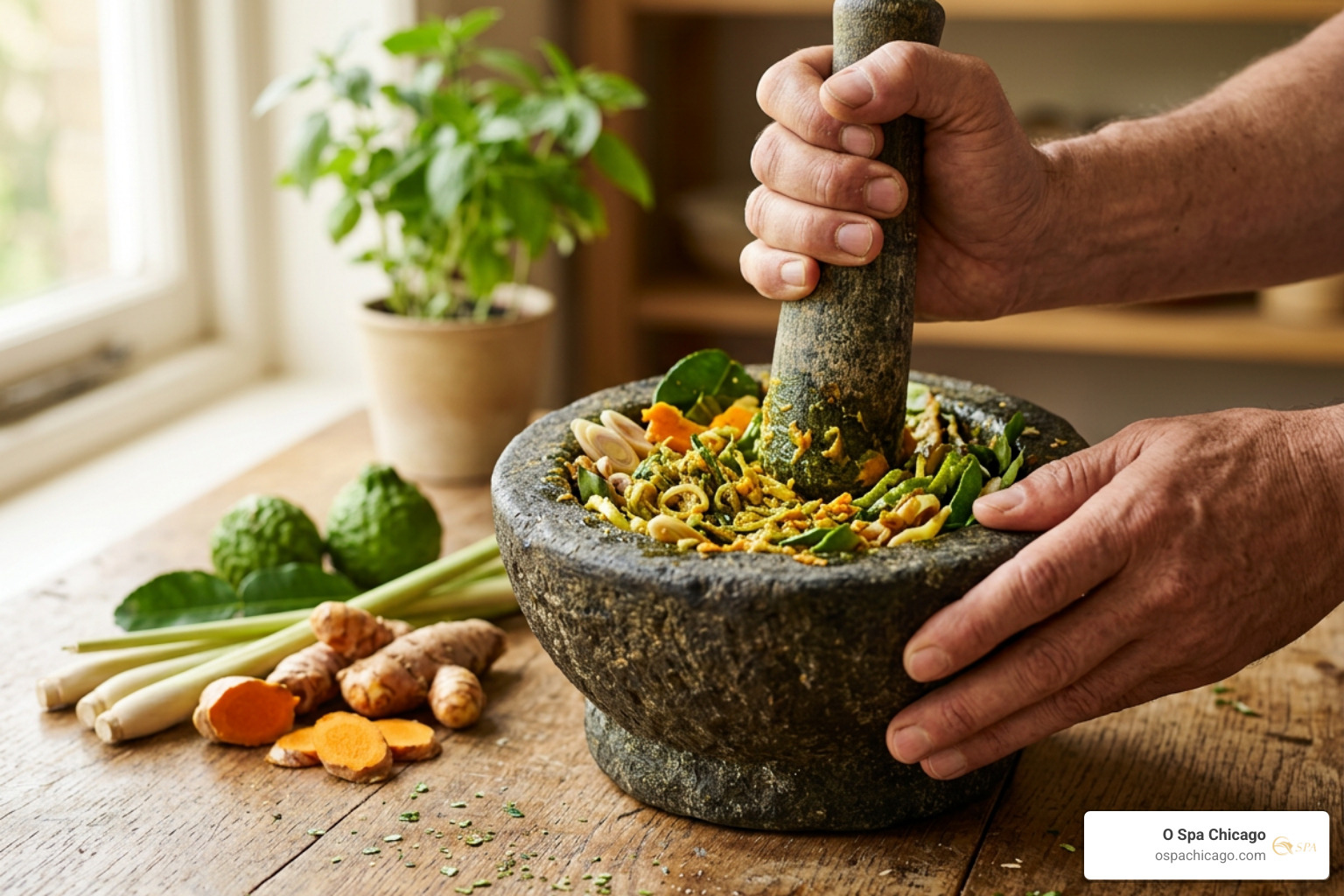
Bringing the ancient art of Luk Pra Kob into your own home routine is simpler than you might think. Whether crafting a compress from scratch or preparing a pre-made bundle, following proper steps ensures both safety and high therapeutic benefit.
Step-by-Step Guide to Using a Thai Herbal Compress at Home
- Prepare the Compress: If making your own, chop fresh plai, turmeric, lemongrass, and kaffir lime peel into small pieces. Gently pound them in a mortar and pestle to release their natural juices. Place a generous cup of this botanical mixture in the center of a 12×12 inch square of unbleached cotton muslin cloth. Gather the edges tightly, twist the top into a sturdy handle, and wrap it securely with thick cotton twine.
- Soak and Steam: Submerge the body of the compress ball in a bowl of room-temperature water for 2 to 3 minutes, keeping the fabric handle dry. Transfer the soaked compress to a steamer basket over simmering water. Cover and steam for 10 to 15 minutes until hot and aromatic.
- The Two-Ball Method: Always use two compresses in rotation. While one is warming up in the steamer, apply the second to your body. Swap them as soon as the working ball cools down.
- Temperature Safety Check: Before applying the hot pouch to sensitive body areas, test its heat level against the inner side of your wrist or forearm.
- Application Technique:
- Phase 1 (Fast Patting): When the compress is fresh out of the steamer, tap and dab it lightly and quickly over skin to introduce heat safely without risk of scalding.
- Phase 2 (Rolling & Rocking): As the surface temperature cools slightly, transition into slow rolling, pressing, and circular rocking motions over tight muscle groups.
- Phase 3 (Sustained Pressure): Once the heat feels warm and gentle, press the ball firmly along muscle seams and hold static pressure for 5 to 10 seconds.
For an extensive step-by-step walkthrough on crafting your own herbal tools, check out our dedicated guide on How To Make A Thai Herbal Compress Ball For Ultimate Relaxation.
Safety Precautions and Key Contraindications
While Thai herbal compress therapy is non-invasive and relaxing, safety always comes first:
- Avoid Open Wounds: Never apply hot compresses over broken skin, open cuts, fresh burns, or active rashes.
- Pregnancy Cautions: Expectant mothers should exercise caution. Avoid applying compresses over the abdomen or lower back, and consult a physician before using remedies containing concentrated volatile oils.
- Cardiovascular & Neurological Conditions: Individuals with severe high blood pressure, deep vein thrombosis, or neuropathy (which reduces skin heat sensitivity) should receive medical clearance first.
- Burn Prevention: Never leave a hot static compress resting on one spot for prolonged periods without movement. Keep the ball rolling to prevent thermal skin irritation.
Sourcing Authentic Thai Herbal Compress Balls
Not all herbal compress balls on the market offer the same standard of quality. To ensure you receive full therapeutic benefits, keep these quality indicators in mind when purchasing:
- Authentic Ingredient Profile: Check the label for genuine Zingiber cassumunar (Plai) as a primary ingredient, along with natural turmeric, lemongrass, and kaffir lime.
- Beware of Excessive Camphor: Cheaper mass-produced compresses often skimp on expensive rhizomes, substituting them with cheap synthetic camphor crystals. If a compress smells overwhelmingly like mothballs, its herbal composition is likely diluted.
- Traditional Artisanship: Look for compresses tied tightly in unbleached, chemical-free 100% natural cotton. Specialty formulations originating from traditional practitioners (Mor Boran) in regions like Chiang Mai or Bangkok’s Wat Po lineage offer superior botanical balance.
- Proper Vacuum Packaging: Premium dried compress balls should arrive tightly vacuum-sealed to prevent environmental moisture pockets, mold growth, or loss of volatile aromatic oils during transit.
Practitioners looking to deepen their technical background can explore instructional publications such as the comprehensive THAI HERBAL COMPRESS MASSAGE guide, while spa operators can review insights on operational sourcing from Making Herbal Compresses for Authentic Thai Massage. To browse authentic traditional products, sources like Thai Herbal Compress Balls | Luk Pra Kob – Blue Lotus showcase original formulations crafted with traditional ingredients.
Frequently Asked Questions about Thai Herbal Compresses
How long can you reuse a Thai herbal compress ball?
A homemade fresh Thai herbal compress can generally be reused 4 to 5 times. After each session, allow the compress to air-dry completely in a well-ventilated space. Once dry, place it inside an airtight bag and store it in the refrigerator (for up to two weeks) or freezer (for up to several months). Discard the compress if its herbal aroma fades completely or if you notice any fabric discoloration or signs of moisture.
Can you heat a Thai herbal compress in a microwave?
While traditional steaming over boiling water is always recommended to release moist heat safely, you can heat a compress in a microwave in a pinch. Submerge the compress fully in water, gently squeeze out the excess moisture, place it in a microwave-safe dish, and heat on high for 60 to 90 seconds. Be very cautious when handling, as microwaves can create internal hot spots within the herbal bundle.
Is Thai herbal compress therapy safe during pregnancy?
It can be safe when adapted thoughtfully, but precautions are essential. Pregnant women should avoid high heat over the abdomen, lower back, or pelvic areas, as well as specific potent essential oils. Always consult your obstetrician or midwife before booking an herbal session, and ensure your therapist is trained in prenatal bodywork.
Conclusion
The Thai herbal compress is far more than a relaxing spa indulgence; it is a time-tested therapeutic system backed by centuries of tradition and modern clinical research. By combining moist thermotherapy, natural transdermal absorption, and limbic-soothing aromatherapy, this humble cotton bundle offers gentle relief for stiff joints, tired muscles, and busy minds.
At O Spa Chicago, we believe in combining traditional wellness arts with modern organic care to create personal restorative experiences. Whether you are seeking relief from everyday muscle tension or simply want to experience deep relaxation, our team is here to support your journey toward balance.
Ready to refresh your wellness routine with tailored bodywork? Book premium spa services at O Spa Chicago today and discover the soothing power of authentic, high-quality spa therapies.