The Ancient Botanical Power of Ayurvedic Hair Oil for Hair Growth
September 19, 2026
The Complete Guide to Effective Hair Treatments
September 24, 2026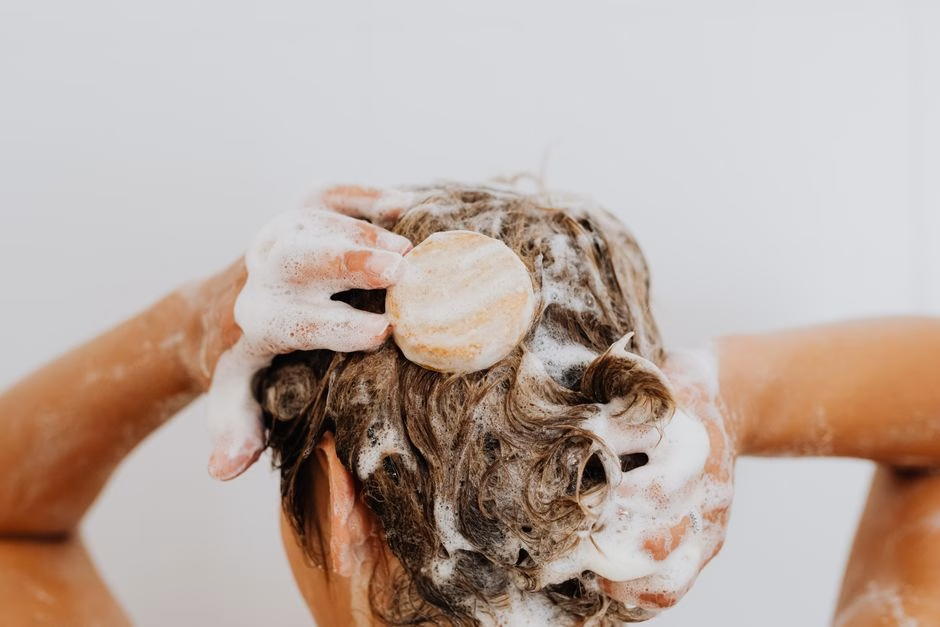
When the Flaking Won’t Stop: Finding the Best Natural Shampoo for Seborrheic Dermatitis
The best natural shampoo for seborrheic dermatitis contains antifungal and scalp-soothing ingredients that target the root cause — an overgrowth of Malassezia yeast — without harsh chemicals. Here are the top natural options to look for:
- Tea tree oil shampoos — antifungal, reduces flaking and redness
- Salicylic acid (from black willow bark) — exfoliates dead skin and dissolves scalp buildup
- Peat mud shampoos — soothes inflammation and deeply cleanses
- Aloe vera-based shampoos — calms irritation, hydrates without feeding yeast
- Manuka honey formulas — antimicrobial and nourishing for sensitive scalps
- Zinc PCA shampoos — regulates sebum and controls fungal growth
Seborrheic dermatitis is a chronic scalp condition. It causes red, itchy, flaking skin and is driven by an overgrowth of Malassezia yeast in oily areas of the scalp. It affects roughly 10% of the general population, and it tends to flare up during stress, hormonal shifts, or seasonal changes.
Standard medicated shampoos work for many people. But some sufferers go years without relief — one patient in an online health community described a 10-year struggle before finally finding a natural routine that worked.
If you’re in that boat, you’re not alone. And there are real, researched options worth trying.
I’m June Liu, a scalp care specialist at O Spa Chicago, and in this guide I’ll walk you through the most effective natural shampoos and ingredients that actually deliver results.
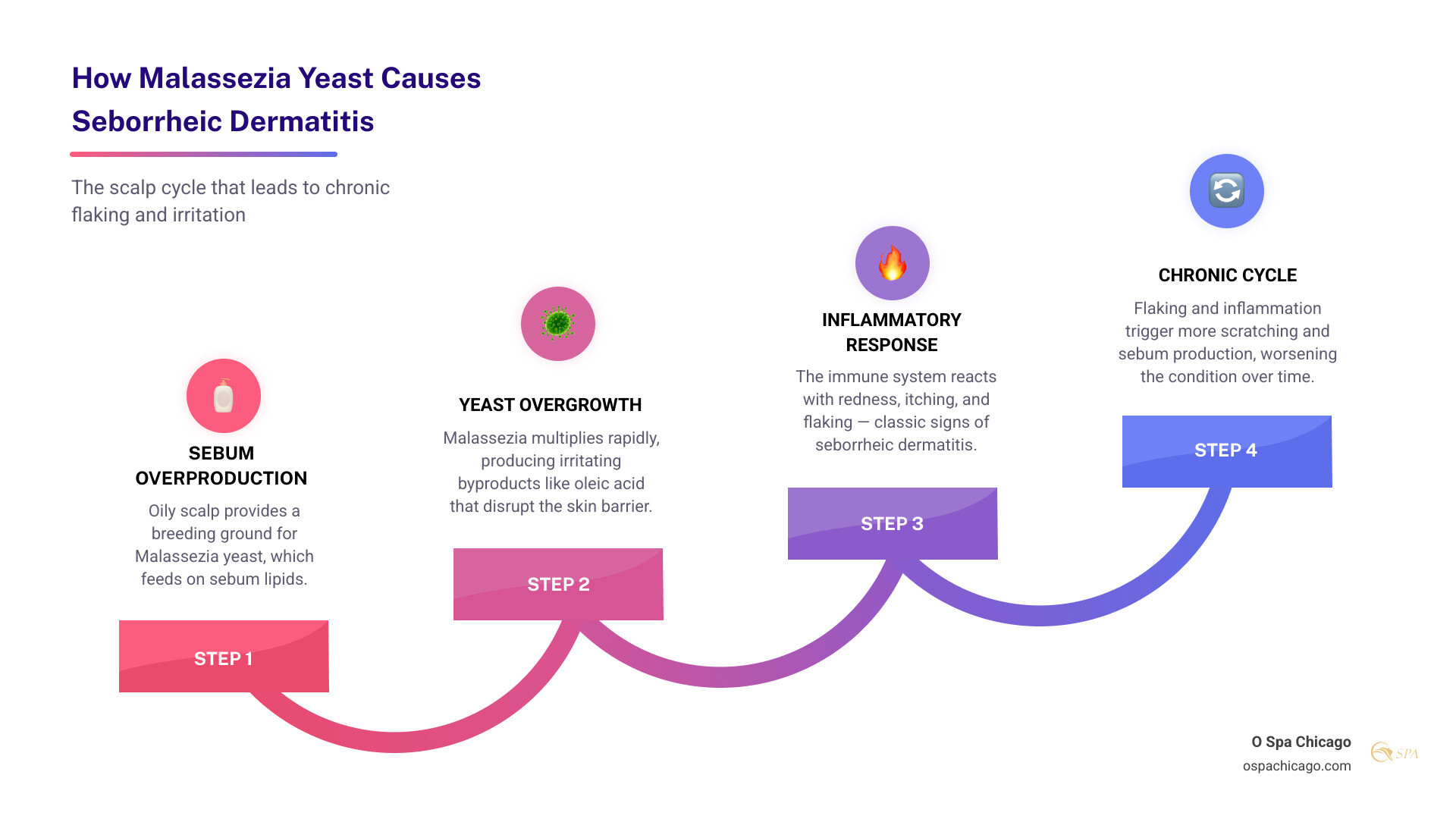
Best natural shampoo for seborrheic dermatitis basics:
Natural vs. Medicated Shampoos for Scalp Dermatitis
When dealing with the stubborn scales of seborrheic dermatitis, the immediate reaction for most is to grab a blue or orange bottle of medicated shampoo from the local drugstore. These traditional over-the-counter (OTC) and prescription options rely on strong synthetic chemical antifungals. While they are highly effective at killing yeast, they often come at a cost to your hair texture and the long-term health of your skin barrier.
To understand why many people in Chicago are making the switch to botanical alternatives, we must look at how these two categories interact with your scalp.
Chemical antifungals like ketoconazole, selenium sulfide, and coal tar are designed to aggressively strip away both the yeast and the oils on your scalp. However, this aggressive cleansing can dry out your hair, leaving it feeling like straw. Furthermore, coal tar shampoos can cause contact dermatitis, carry an unpleasant chemical odor, and even increase skin sensitivity. Overuse of these harsh formulas can damage your scalp’s protective moisture barrier, leading to a “rebound” effect where your scalp produces even more sebum to compensate, ultimately feeding the very yeast you are trying to eliminate.
In contrast, the best natural shampoo for seborrheic dermatitis targets the underlying yeast using plant-derived antimicrobials while simultaneously nourishing the skin barrier. For a deeper look into professional scalp restoration, check out The Ultimate Guide to Scalp and Hair Treatment.
Comparison of Scalp Care Approaches
| Feature | Medicated Chemical Shampoos | Natural Botanical Shampoos |
|---|---|---|
| Active Ingredients | Ketoconazole, Selenium Sulfide, Coal Tar, Zinc Pyrithione | Tea Tree Oil, Black Willow Bark, Peat Mud, Zinc PCA, Aloe Vera |
| Primary Mechanism | Kills yeast aggressively; strips surface oils | Controls yeast growth; balances sebum; repairs skin barrier |
| Scent Profile | Often medicinal, sulfurous, or heavily synthetic | Fresh, herbal, or completely fragrance-free |
| Hair Quality Impact | Can cause extreme dryness, color fading, and brittleness | Hydrates hair strands; maintains natural shine and color |
| Long-Term Use | Can disrupt the microbiome; risk of skin thinning (if paired with steroids) | Safe for long-term maintenance and daily/weekly prevention |
By choosing a natural shampoo, you are not just masking the flakes; you are encouraging your scalp to heal itself. This approach is especially crucial for chronic conditions where daily or weekly maintenance is required to keep flare-ups at bay.
How to Choose the Best Natural Shampoo for Seborrheic Dermatitis
Finding a natural shampoo that actually works requires looking past clever marketing and diving straight into the ingredient list. Many products engage in “greenwashing”—plastering words like “natural” and “organic” on the front label while hiding irritating synthetic preservatives and harsh detergents on the back.
When managing seborrheic dermatitis, the goal is twofold: regulate the scalp microbiome and maintain an acidic skin pH. A healthy scalp has an acidic pH of around 5.5. When this pH is disrupted by alkaline cleansers or harsh sulfates, the skin barrier weakens, making it the perfect breeding ground for Malassezia yeast.
To find instant relief and choose the right formula for your specific hair type, read our guide on The Best Dry Scalp and Dandruff Treatment Options for Instant Relief.
Active Botanicals in the Best Natural Shampoo for Seborrheic Dermatitis
The most effective botanical formulations rely on a carefully balanced blend of natural exfoliants, anti-inflammatory agents, and plant-based antifungals:
- Tea Tree Oil: This legendary essential oil is packed with terpinen-4-ol, a compound with proven antifungal and antibacterial properties that directly targets yeast overgrowth.
- Salicylic Acid & Black Willow Bark: Salicylic acid is a beta-hydroxy acid (BHA) that acts as a keratolytic agent. It gently dissolves the “glue” holding dead skin cells together, loosening stubborn scales and crusty buildup. Black willow bark (often listed as black sauce) serves as an excellent, ultra-gentle natural source of salicylic acid.
- Natural Peat Mud: Sustainably harvested peat mud is incredibly rich in bioactive humic and fulvic acids. These organic minerals deeply cleanse the hair follicles, reduce redness, and soothe intense itching without stripping moisture.
- Aloe Vera: Replacing the standard water base of a shampoo with organic aloe vera juice delivers a concentrated dose of vitamins and minerals directly to the skin, cooling active inflammation on contact.
- Manuka Honey: Sourced from New Zealand, raw manuka honey contains methylglyoxal, offering powerful antimicrobial and humectant benefits that lock in moisture while keeping yeast in check.
The power of natural ingredients isn’t just folk wisdom; it is backed by modern clinical science. A fascinating Moringa and Bergamot Clinical Study published in a leading dermatological journal evaluated a green-synthesized shampoo created with moringa and bergamot extracts.
The clinical trial randomized 60 patients to compare this natural formulation against standard 2% ketoconazole shampoo. The results were outstanding: the natural botanical shampoo actually provided a faster therapeutic response, significantly reducing scalp flaking within the very first week, whereas the ketoconazole group took two weeks to show similar improvement. Furthermore, the natural shampoo significantly improved the patients’ overall quality of life, proving that nature can match—and sometimes exceed—chemical standards.
What to Avoid in the Best Natural Shampoo for Seborrheic Dermatitis
Knowing what to avoid is just as important as knowing what to look for. If your shampoo contains the wrong ingredients, you might unknowingly be feeding the very yeast causing your dermatitis.
- Sulfates (SLS/SLES): These cheap, industrial foaming agents strip the scalp’s natural lipid barrier, causing micro-tears and severe dryness that trigger rebound oil production.
- Synthetic Fragrances: Chemical perfumes (often hiding under the term “fragrance” or “parfum”) are the number one cause of allergic contact dermatitis on an already compromised scalp.
- Heavy Oils (Coconut Oil & Olive Oil): This is the most common mistake made by those treating seborrheic dermatitis at home. Because the scalp looks dry and flaky, people often slather it in coconut or olive oil. However, Malassezia yeast feeds on fatty acids with carbon chain lengths of 11 to 24. Both coconut and olive oil are packed with these lipids, meaning applying them to your scalp is essentially throwing a feast for the yeast, worsening your flaking and inflammation.
- Greenwashed Preservatives: Keep an eye out for preservatives like phenoxyethanol and ethylhexylglycerin. While technically allowed in some natural cosmetics, they can be highly irritating to raw, inflamed scalps.
If you also struggle with styling your hair during a flare-up, check out our professional tips in The Ultimate Guide to Styling Hair with Psoriasis Without the Itch.
Top Natural Products and Advanced Regimens
To successfully manage seborrheic dermatitis long-term, you need both the right products and the correct application techniques. Simply lathering and immediately rinsing a natural shampoo won’t give the active botanicals enough contact time to penetrate the hair follicles and target the yeast.
For the best results, we recommend a simple step-by-step process:
- Thoroughly wet your hair with lukewarm water (avoid hot water, which dries out the skin).
- Apply 3 to 4 pumps of your natural shampoo directly to your scalp.
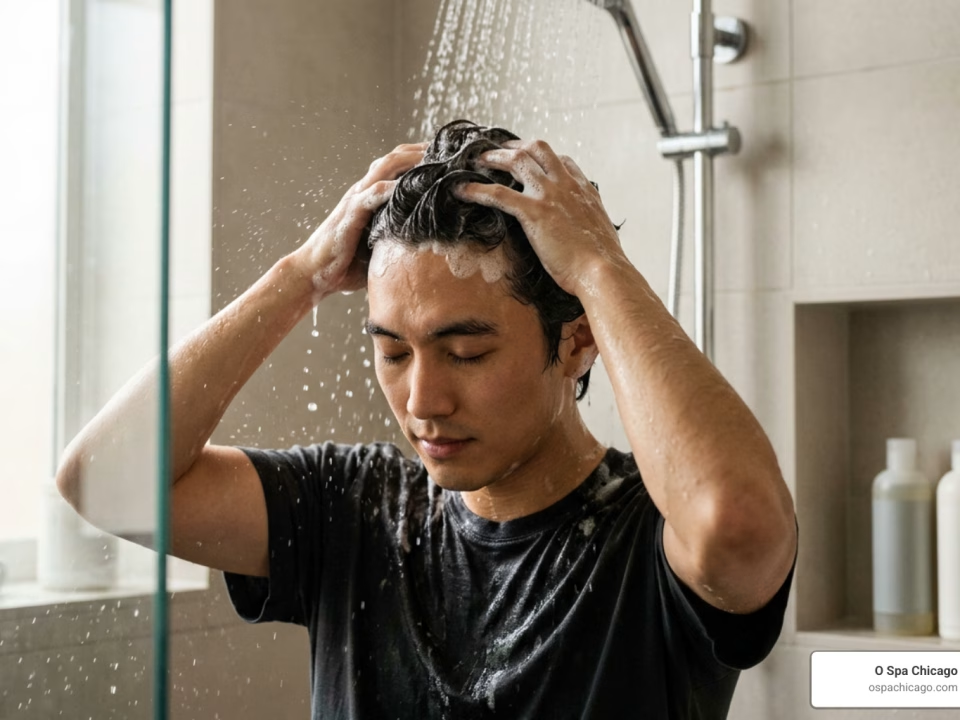
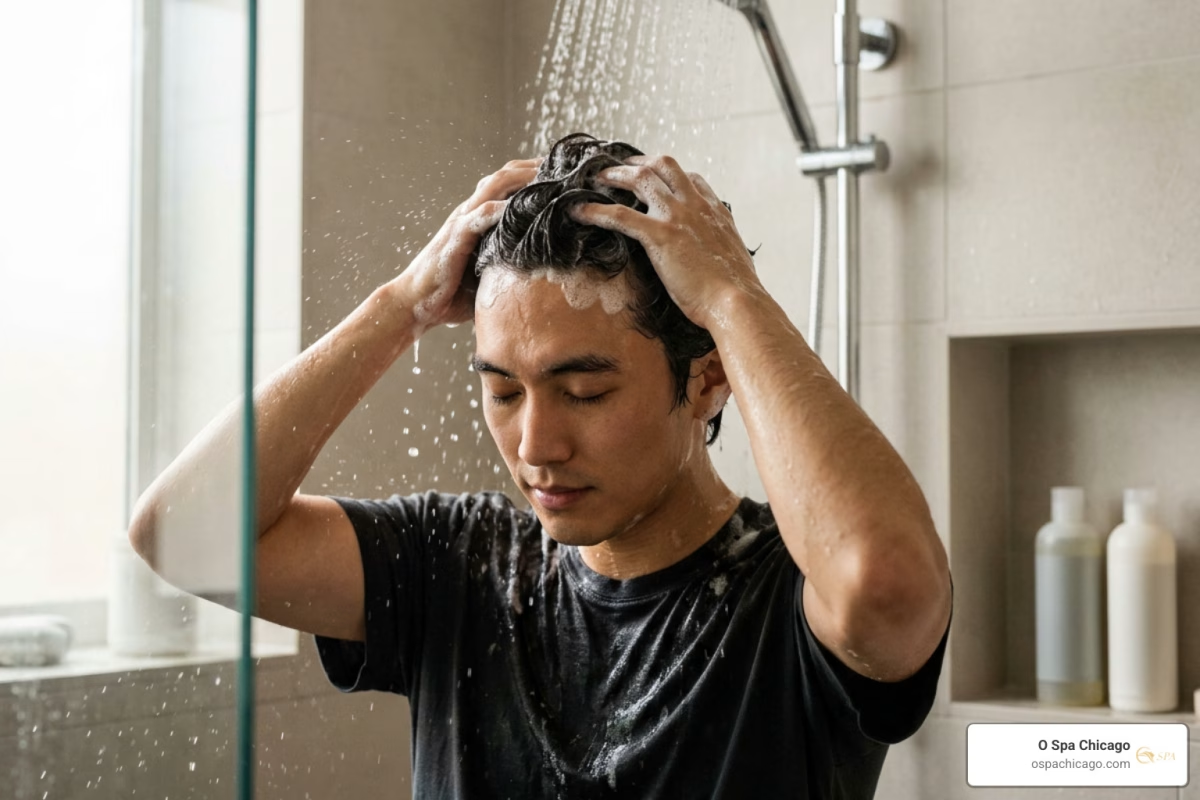
- Gently massage the lather into your scalp using your fingertips or a soft scalp massager brush for 20 to 30 seconds. Do not scratch or rub harshly, as this can worsen inflammation.
- Let the shampoo sit on your scalp for 3 to 5 minutes (or up to 10 minutes for mineral-rich formulas like peat mud) to allow the active botanical ingredients to work.
- Rinse thoroughly with plenty of warm water.
Beyond shampooing, incorporating alternative remedies can yield incredible results.
- Xylitol: This natural sugar is a game-changer for chronic cases. Yeast protects itself by building a sticky, protective shield called a biofilm. Xylitol has been shown to disrupt and break down these fungal biofilms, making it much easier for natural antifungals to reach and eliminate the yeast.
- Apple Cider Vinegar (ACV): A diluted ACV rinse (mixing 1-2 tablespoons of organic ACV in a cup of water) can help lower your scalp’s pH back to its optimal acidic state. However, never apply straight ACV to an inflamed scalp, as it can cause painful chemical burns.
- Red Light Therapy: Low-level red light therapy devices (which can be found affordably online) help soothe deep tissue inflammation, accelerate skin barrier repair, and promote healthy hair growth.
- Alternating Shampoos: To prevent your scalp’s microbiome from becoming resistant, try alternating between a purifying active shampoo (like tea tree or salicylic acid) and an ultra-gentle, hypoallergenic balancing shampoo.
For deeply hydrating home care that won’t trigger your dermatitis, explore our favorite recipes in Say Goodbye to Dry Hair with These Chicago Spa Hair Masks and browse our latest scalp care articles on the O Spa Chicago Blogs.
Soothing Botanical Shampoos and Cleansers
Here are some of the most highly regarded natural products on the market today for calming an irritated scalp:
- Wild Naturals Eczema & Psoriasis Shampoo: This formula is unique because organic aloe vera is its very first ingredient, rather than water. It is enriched with medical-grade New Zealand manuka honey and Cehami flower extract to target redness, soothe intense itching, and repair the skin barrier. It is completely sulfate-free, fragrance-free, and safe for color-treated hair.
- Spotless Seborrheic Dermatitis Shampoo: Packed with 21 active natural and organic ingredients, this shampoo leverages natural zinc PCA and black willow bark (salicylic acid) to regulate sebum production and gently exfoliate scales. It also contains rosemary extract, cucumber, and arnica to cool scalp heat and relieve itching.
- NaturaDerm Antifungal Soap Bar: For those who prefer a traditional, zero-waste cleansing bar, this Japanese-style antifungal soap is a fantastic option. It combines therapeutic tea tree oil, turmeric, peppermint, and sulfur spring extract to fight flakes at the root. It comes with an exfoliating soap saver bag that creates a rich lather while gently lifting away dead skin.
Targeted Scalp Creams and Barrier Repair
For severe flare-ups or flaking along the hairline, ears, and eyebrows, adding a targeted topical treatment can speed up your recovery:
- Calvris Seborrheic Dermatitis Shampoo: This plant-powered shampoo utilizes a specialized “Dry-Safe Complex” featuring kudzu root extract to reduce redness and goldthread root for natural antifungal protection. It is designed to starve the yeast while deeply hydrating the skin barrier, making it safe for daily use.
- NaturaDerm Seborrheic Dermatitis Cream: This soothing, non-greasy cream is perfect for spot-treating dry, red, and flaky patches on the hairline, neck, or face. It pairs salicylic acid with traditional botanical extracts like artemisia and Sophora flavescens to quickly calm irritation and restore a healthy skin texture.
Frequently Asked Questions about Natural Dermatitis Shampoos
How long does it take to see results from a natural shampoo?
While you may feel a reduction in itching and redness after your very first wash, full scalp barrier restoration and a visible reduction in flaking typically take 2 to 4 weeks of consistent use. This timeline allows your skin cells to complete a full natural turnover cycle and gives the botanical ingredients time to rebalance your scalp’s microbiome.
Can natural shampoos be used daily for long-term management?
Yes! Unlike harsh chemical medicated shampoos, high-quality, sulfate-free natural shampoos are gentle enough for daily use. Once your active flare-up has cleared, you can transition to using your active purifying shampoo 1 to 2 times a week as a preventative measure to maintain scalp balance and keep future flare-ups at bay.
Are there any side effects or drawbacks to natural treatments?
Because natural shampoos utilize concentrated botanical extracts and essential oils (like tea tree or peppermint), there is a small risk of contact sensitivity. We always recommend performing a patch test on a small patch of skin behind your ear before applying a new product to your entire scalp. Some purifying ingredients can also cause temporary dryness, which is why pairing your wash with a lightweight, oil-free, silicone-free conditioner is highly recommended.
Conclusion
Managing seborrheic dermatitis doesn’t have to mean subjecting your scalp to harsh, smelly chemicals that leave your hair dry and damaged. By embracing the power of organic botanical science—from the yeast-fighting properties of tea tree oil and zinc PCA to the exfoliating benefits of black willow bark and the soothing minerals of peat mud—you can restore your scalp to health naturally.
If you are tired of the trial-and-error of drugstore products and want a personalized, luxury approach to your hair and scalp wellness, we are here to help. At O Spa Chicago, located in the heart of River North, we offer premium, organic scalp and hair treatments tailored to your unique needs. Whether you want to book a comprehensive scalp analysis or simply indulge in a deeply soothing spa day, our expert team is ready to welcome you. Walk-ins and same-day appointments are always welcome!
Take the first step toward a calm, flake-free scalp and Book a Scalp Treatment at O Spa Chicago today.