The Hair Oil Fix for Dry and Damaged Hair You Need Right Now
October 10, 2026
Beginner’s Guide to Hydrate Dry Hair Treatment
October 15, 2026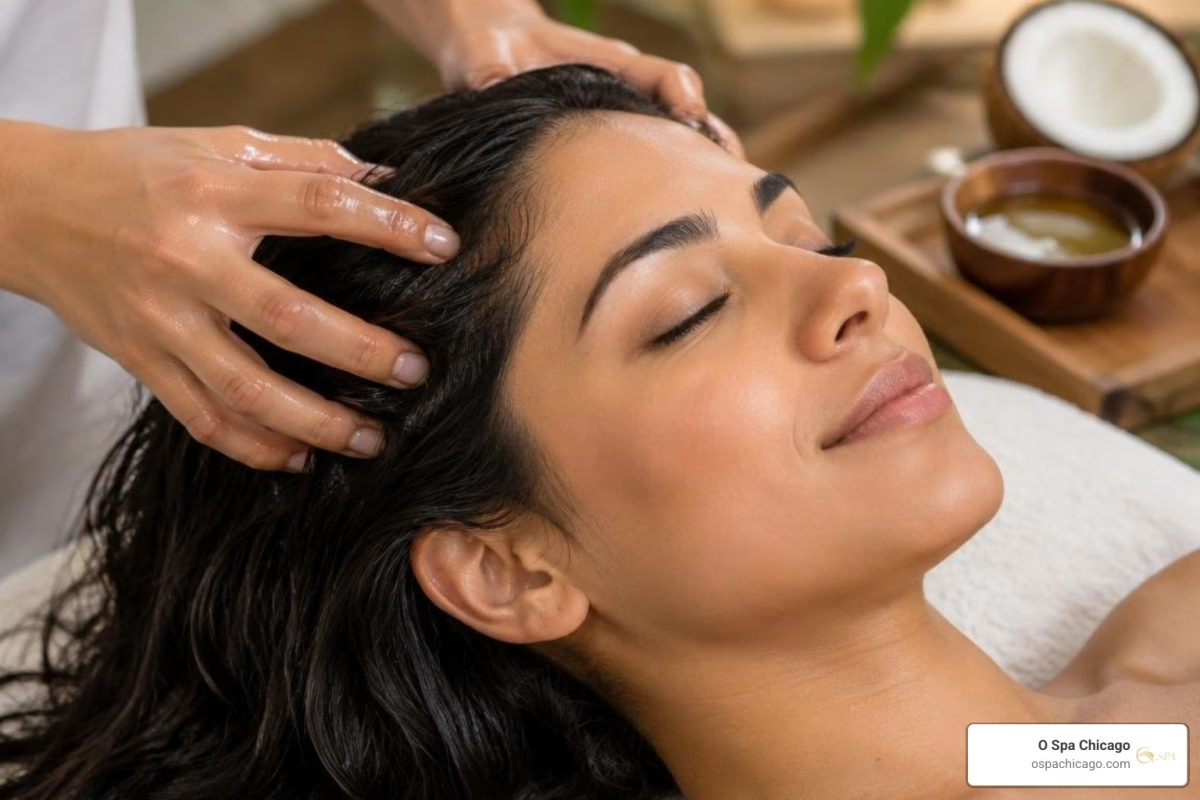
Coconut Oil Scalp Massage: A Simple Pre-Wash Routine
A coconut oil scalp massage can soften a dry scalp and help protect hair from damage during washing. To try it, warm a small amount of oil between your hands, gently massage it into your scalp with your fingertips for 5 minutes, and shampoo it out after 30 minutes. Start once a week. If your scalp is oily, acne-prone, or has persistent dandruff, skip the oil until you know what is causing the irritation.
The strongest evidence is for protecting hair strands from protein loss, not for making hair grow faster. Keep the routine light: more oil means more washing, not better results.
I’m June Liu, owner of O Spa Chicago, where I focus on personalized hair and scalp care. That experience shapes my advice on when a coconut oil scalp massage may be worth trying and when another approach makes more sense.
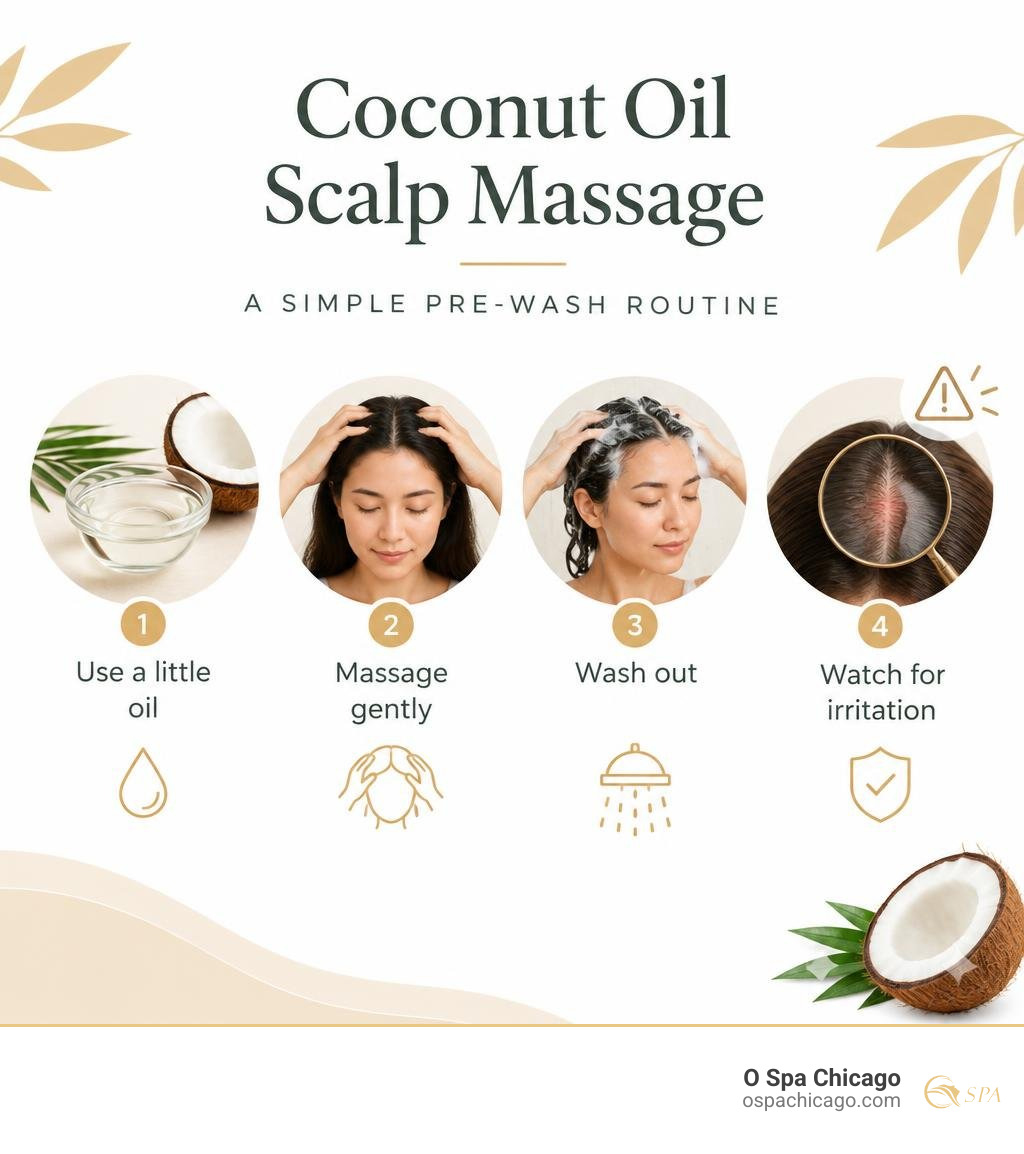
Coconut oil scalp massage terminology:
The Science and Benefits of a Coconut Oil Scalp Massage
Centuries before modern cosmetic chemists evaluated botanical lipids in laboratories, traditional Ayurvedic rituals celebrated head oiling as a cornerstone of lifelong hair health. Today, trichological science validates many of these time-tested practices. Coconut oil stands out among plant-based ingredients due to its unique chemical profile, which delivers genuine physical protection to hair and skin rather than merely sitting on the surface.
At the core of these benefits is lauric acid, a medium-chain fatty acid comprising approximately 50% of virgin coconut oil. Because of its low molecular weight and straight-chain structure, lauric acid can bypass the outer cuticle layer and penetrate the internal hair cortex. As detailed in scientific research on hair oiling and protein protection, laboratory tests confirm that coconut oil dramatically minimizes protein loss in both undamaged and chemically treated hair compared to heavier mineral or sunflower oils.
In addition to protecting structural proteins, coconut oil reinforces the lipid barrier of the scalp. When environmental stressors, dry weather, or harsh cleansers strip away natural sebum, this botanical oil helps replenish intercellular lipids, locking in hydration and calming surface irritation. Its natural antimicrobial properties also create an inhospitable environment for certain opportunistic microbes, keeping the skin balanced and comfortable.
How Lauric Acid Strengthens the Hair Shaft
Every time you wash your hair, individual strands absorb water, swell, and then contract as they dry. This repetitive cycle causes hygral fatigue—a structural stress that weakens the cuticle, chips away natural keratin, and eventually leads to split ends and breakage.
Applying coconut oil prior to shampooing creates a hydrophobic barrier inside the cortex. By reducing excessive water absorption, it maintains the tensile strength and elasticity of the hair shaft. For those struggling with brittleness, incorporating nourishing hair oil treatments into a weekly regimen offers an effective way to preserve strand integrity through repeated styling and wash cycles.
Scalp Microbiome and Dandruff Relief
A balanced scalp microbiome relies on a delicate equilibrium between beneficial bacteria and fungal communities. When dryness compromises skin integrity, flaking and itching frequently follow.
According to clinical research on coconut oil hair benefits, regular application can support healthy scalp microflora while reducing flaking associated with simple dehydration. The natural anti-inflammatory compounds in cold-pressed oil soothe tightness and erythema, making it a reliable remedy for dry, tight scalps. However, because fungal-driven conditions interact differently with plant lipids, matching the treatment to your specific scalp chemistry is essential.

Choosing the Best Coconut Oil for Scalp Health
Not all coconut oils deliver the same therapeutic benefits. The manufacturing process directly affects the retention of active fatty acids, polyphenols, and micronutrients.
| Feature | Cold-Pressed Unrefined Oil | Virgin Coconut Oil | Refined (RBD) Coconut Oil |
|---|---|---|---|
| Extraction Method | Mechanical pressing without heat | Low-heat wet/dry extraction | Chemical extraction, bleached, deodorized |
| Nutrient Preservation | Maximum antioxidants and polyphenols | High antioxidant retention | Minimal active micronutrients |
| Aroma & Color | Fresh, light coconut scent; pure white | Sweet coconut aroma; clear to white | Odorless, neutral white |
| Scalp Suitability | Optimal for therapeutic scalp massage | Excellent for deep conditioning | Suitable for basic lubrication only |
Cold-pressed, unrefined virgin coconut oil remains the gold standard for scalp therapies. Because it is extracted without chemical solvents, bleaches, or high heat, it preserves vital trace nutrients such as vitamin E and polyphenols that defend against oxidative stress.
Comparing Coconut Oil to Other Scalp Carrier Oils
While coconut oil excels at cortex penetration, other carrier oils offer unique advantages depending on your specific scalp needs:
- Jojoba Oil: Chemically mimics human sebum, making it ideal for balancing oily scalps without clogging follicles.
- Argan Oil: Rich in oleic and linoleic acids, it coats the hair exterior to provide high shine and surface heat defense.
- Sweet Almond Oil: A lightweight emollient that softens flaky buildup without weighing down finer hair textures.
Understanding these structural differences helps you in choosing the best hair massage oil for your personalized routine.
Step-by-Step Guide to an Effective Scalp Oil Treatment
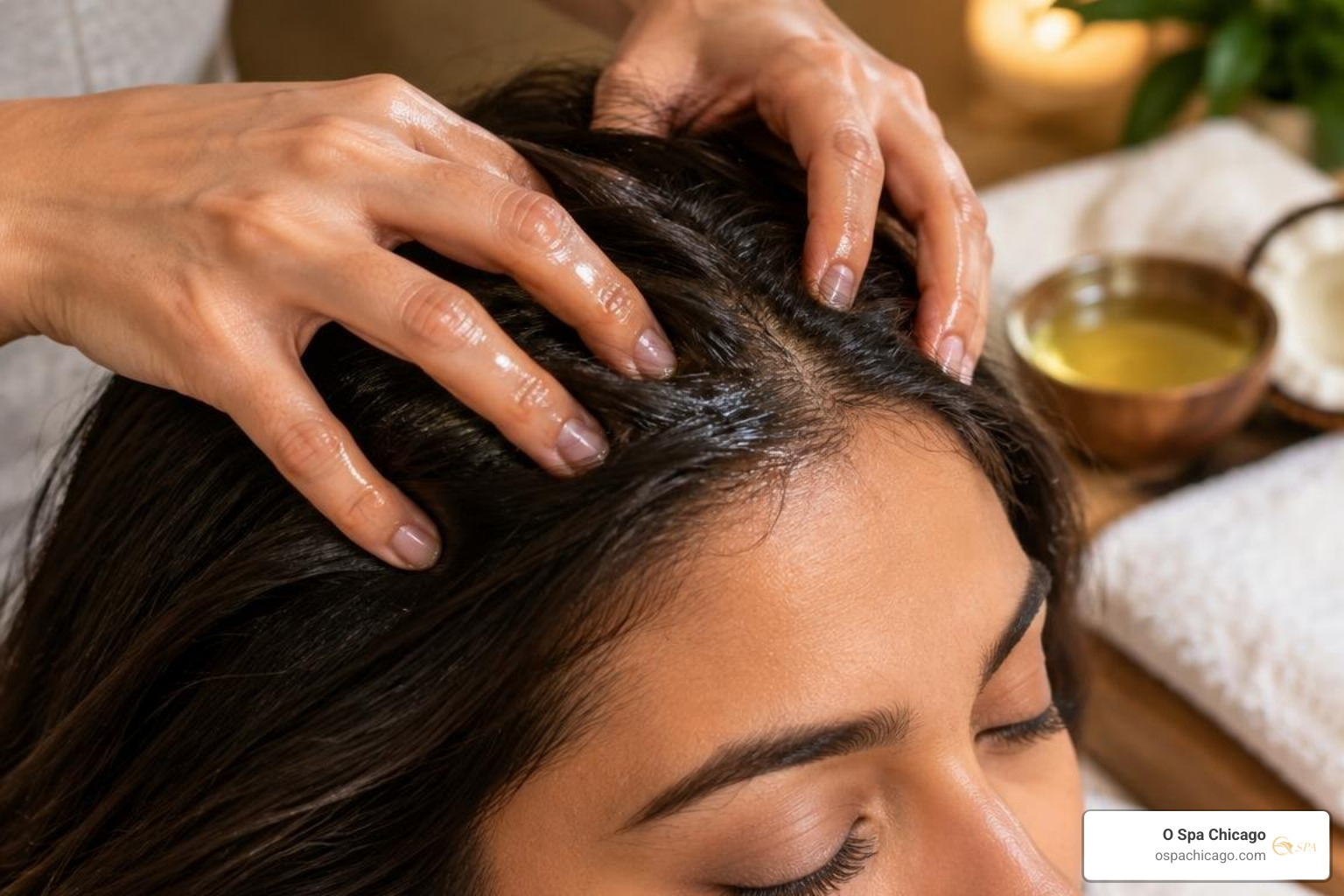
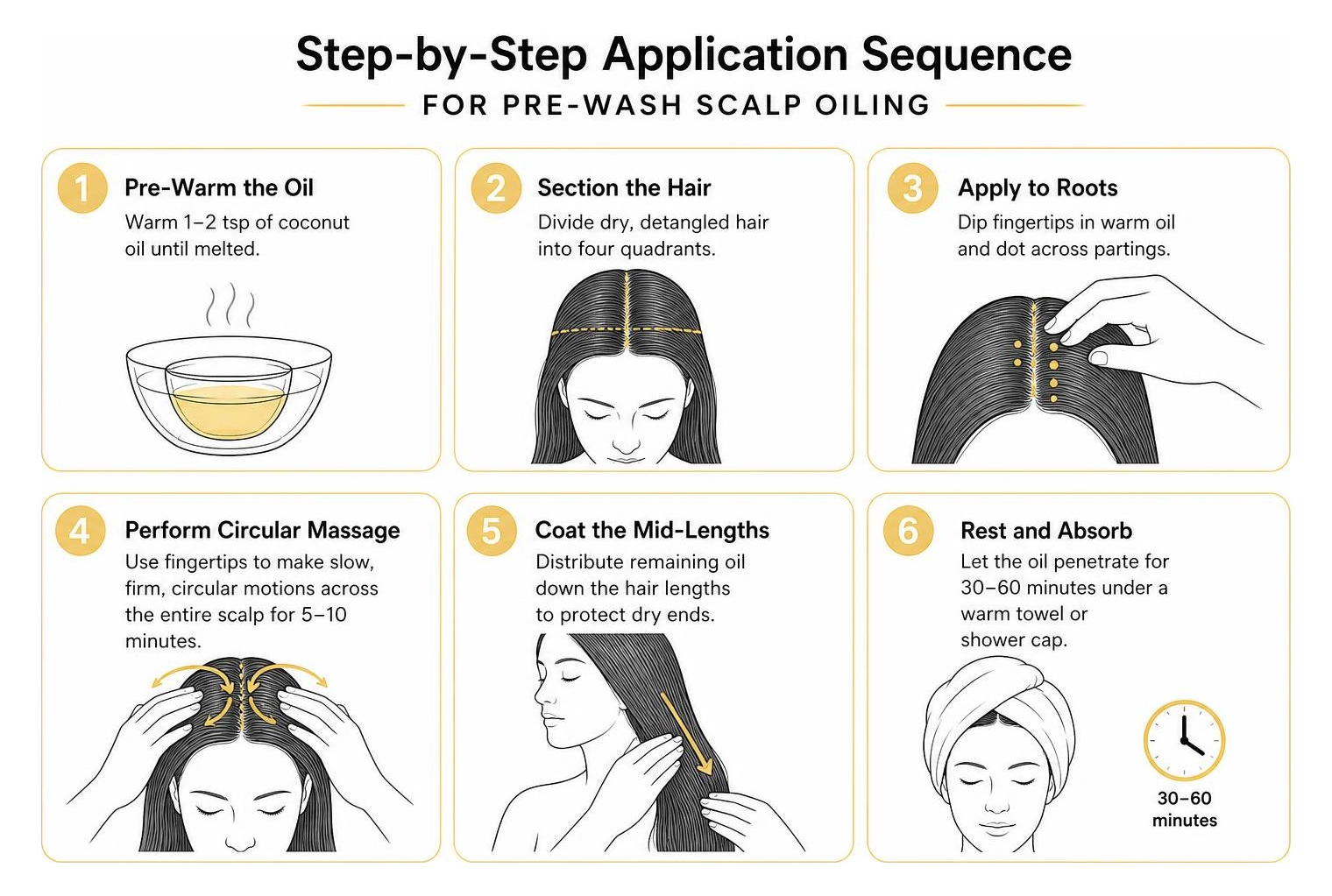
Executing an effective treatment requires proper technique, moderate quantities, and mindful timing. Follow this structured protocol for optimal results:
- Pre-Warm the Oil: Place one to two teaspoons of solid virgin coconut oil into a small glass bowl and immerse it in warm water. Warm oil spreads evenly and absorbs more efficiently.
- Section the Hair: Divide dry, detangled hair into four quadrants to ensure direct access to the scalp.
- Apply to Roots: Dip your fingertips into the warm oil and dot it across exposed partings.
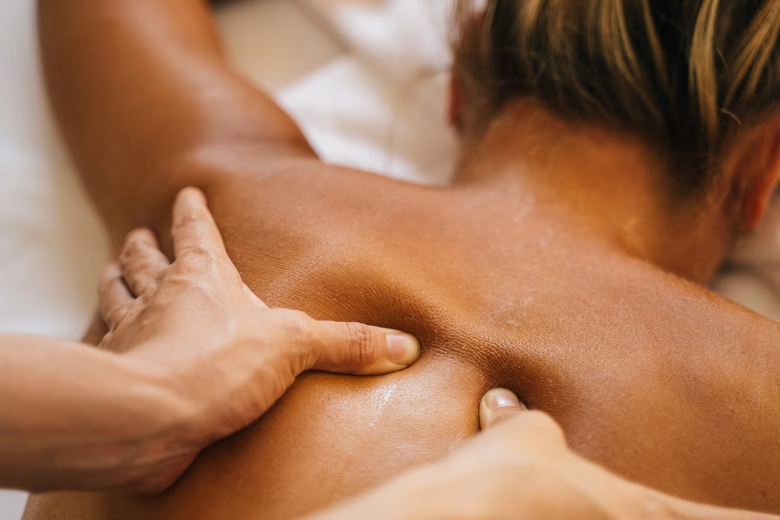
- Perform Circular Massage: Use the pads of your fingers—never your nails—to make slow, firm, circular motions across the entire scalp for 5 to 10 minutes.
- Coat the Mid-Lengths: Distribute remaining traces of oil down the hair lengths to protect dry ends.
- Rest and Absorb: Let the oil penetrate for 30 to 60 minutes beneath a warm towel or shower cap.
Proper Technique for a Coconut Oil Scalp Massage
A therapeutic massage should stimulate microcirculation without pulling on the roots. Focus deliberate pressure on key tension zones:
- The base of the occipital bone (lower hairline)
- The temporalis muscles (above the ears)
- The crown and vertex of the scalp
Maintain constant, rhythmic contact. Moving the scalp tissue over the underlying skull stimulates blood flow to the follicular papillae, delivering oxygen and essential nutrients to the roots.
How to Wash Out Coconut Oil Without Residue
Because saturated plant fats solidify at cooler temperatures, thorough cleansing is essential to prevent heavy, limp hair or congested pores.
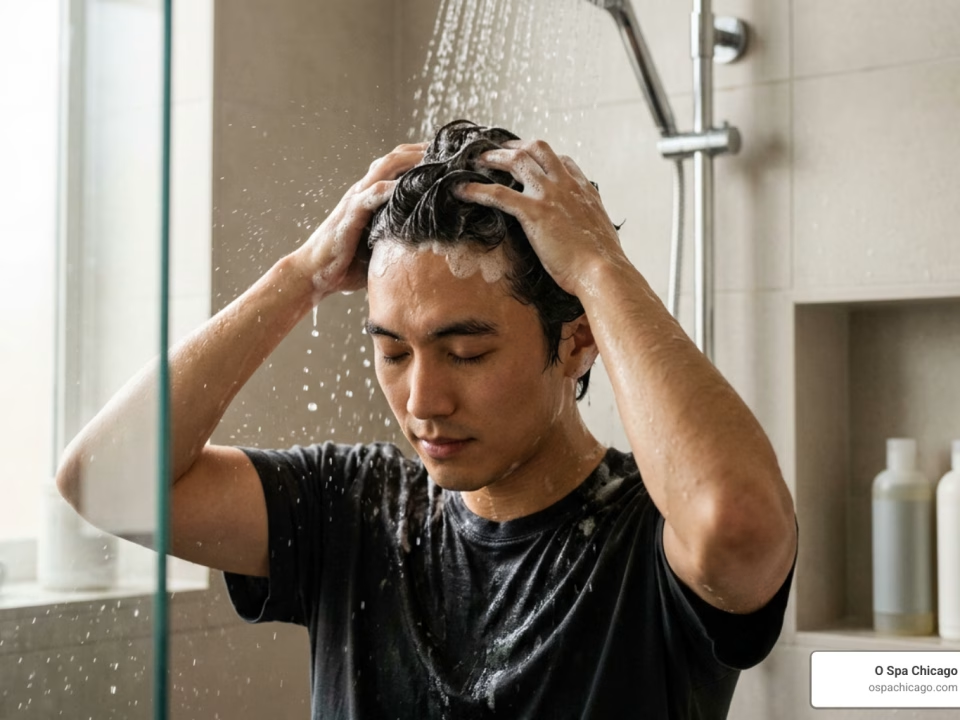
Always emulsify shampoo directly onto dry or barely damp, oiled roots before applying water. The undiluted surfactant molecules bind directly to the oil droplets, allowing them to rinse away easily. Follow with lukewarm water and repeat with a second lather. When choosing your cleanser, selecting a quality scalp care shampoo ensures thorough removal of lipid residues without stripping away essential moisture.
Scalp Considerations and Common Mistakes
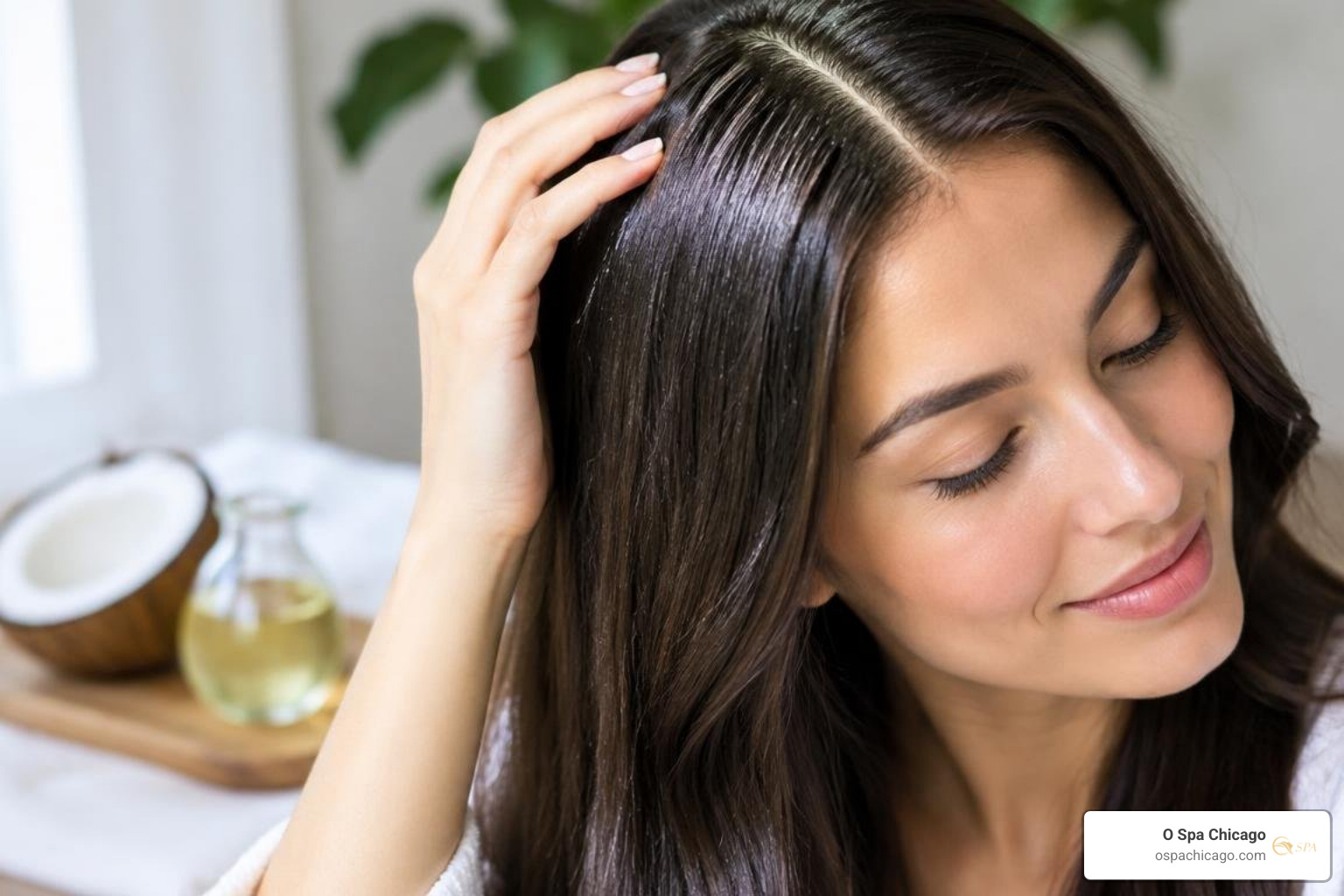
Even natural treatments can cause complications if used incorrectly. Over-application, infrequent washing, or using heavy oils on incompatible scalp types can cause product buildup, dullness, or follicular irritation.
Customizing Your Coconut Oil Scalp Massage by Hair Type
Different hair structures require tailored approaches to oiling:
- Coarse, Thick, or Curly Hair: Highly porous textures absorb coconut oil readily. You can apply it weekly from roots to ends to maintain elasticity and define curl patterns.
- Fine or Low-Porosity Hair: Small-diameter hair shafts can easily become weighed down. Use no more than a pea-sized amount, limit application to once every two weeks, and keep the oil focused strictly on mid-lengths.
- Dry, Tight Scalp: Benefit significantly from bi-weekly root applications, especially when combined with comprehensive deep scalp and hair treatments.
When to Avoid Scalp Oiling
While beneficial for dry skin, coconut oil is not suitable for every condition:
- Seborrheic Dermatitis: The fungal organism Malassezia feeds on medium-chain fatty acids. Applying plant oils to an active outbreak can accelerate fungal proliferation and worsen scaling.
- Active Folliculitis or Scalp Acne: Heavy occlusive lipids can trap dead corneocytes within follicular openings, exacerbating inflammation.
- Allergy Concerns: Always conduct a 24-hour patch test on your inner arm or behind the ear prior to full application.
Frequently Asked Questions
Can massaging your scalp with coconut oil stimulate hair growth?
A botanical oil cannot alter genetic hair growth cycles or revive dormant follicles on its own. However, physical massage increases localized microcirculation, while the oil reduces mechanical breakage along the shaft. By preventing split ends, it supports maximum length retention. Many of these principles stem from traditional Ayurvedic hair oil traditions, which pair botanical extracts with invigorating pressure-point techniques.
How often should you perform a coconut oil scalp treatment?
For most individuals with normal to dry hair, once a week is the optimal frequency. Fine hair textures typically see the best results with bi-weekly sessions, while those with naturally oily roots should limit treatments to monthly applications focused exclusively on damaged ends.
Is it safe to leave coconut oil on the scalp overnight?
Leaving oil on your scalp overnight is generally unnecessary and can increase the risk of clogged pores or pillow contamination. Thirty to sixty minutes provides sufficient time for lauric acid to saturate the hair cortex. If you do choose an overnight treatment, use a minimal amount of oil and protect your pillow with a silk wrap or towel.
Conclusion
A well-executed oiling ritual bridges ancient wellness wisdom and modern dermatological science, offering deep protection against daily wear, mechanical damage, and surface dryness. By choosing high-quality, cold-pressed virgin oil and applying it with mindful massage techniques, you can protect your strands and nurture a balanced foundation for healthy hair.
If you are looking for professional care, our team at O Spa Chicago provides personalized scalp and hair rituals in River North. We combine organic botanical ingredients with restorative head spa therapies to revitalize your scalp and promote deep relaxation. Experience the difference by booking relaxing professional spa services with our experienced team today.