Coconut Oil Scalp Massage Benefits and How to Do It Right
October 13, 2026
Clear Pores and Rebalance Roots with Deep Cleansing Scalp Treatments
October 17, 2026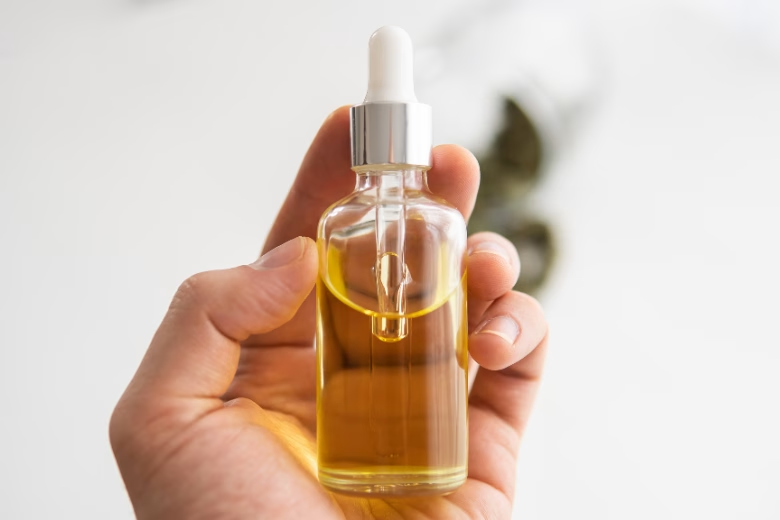
Introduction
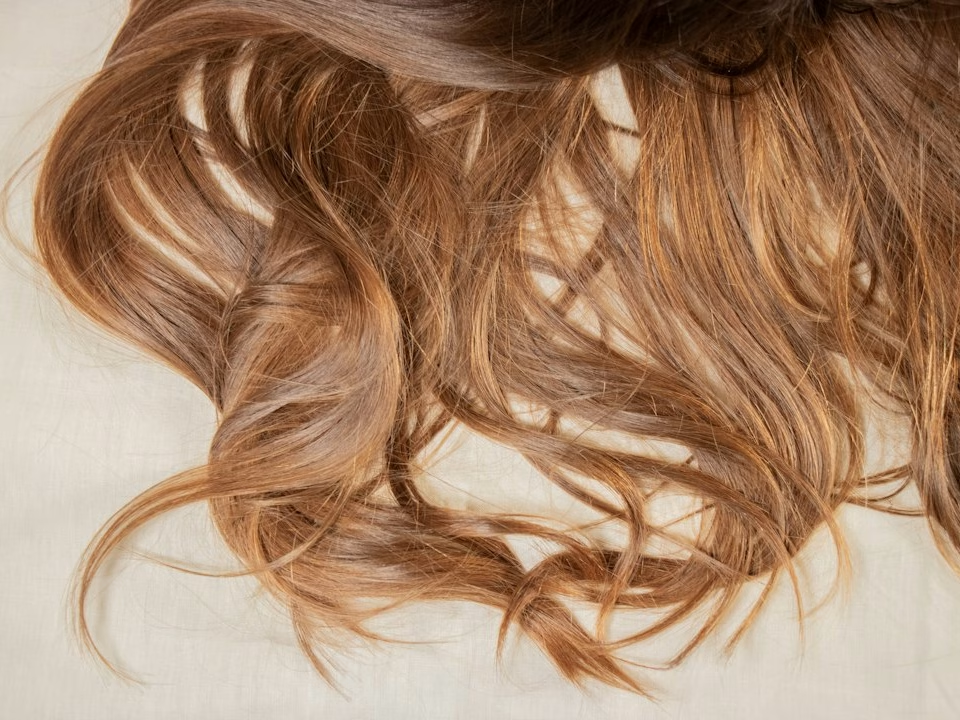
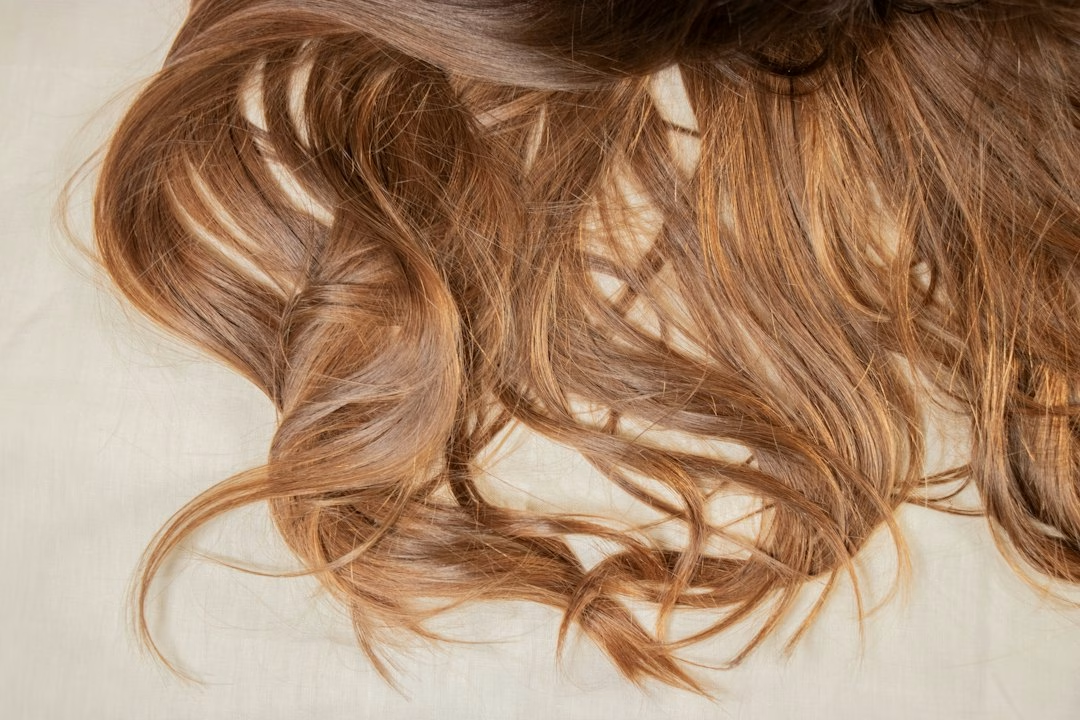
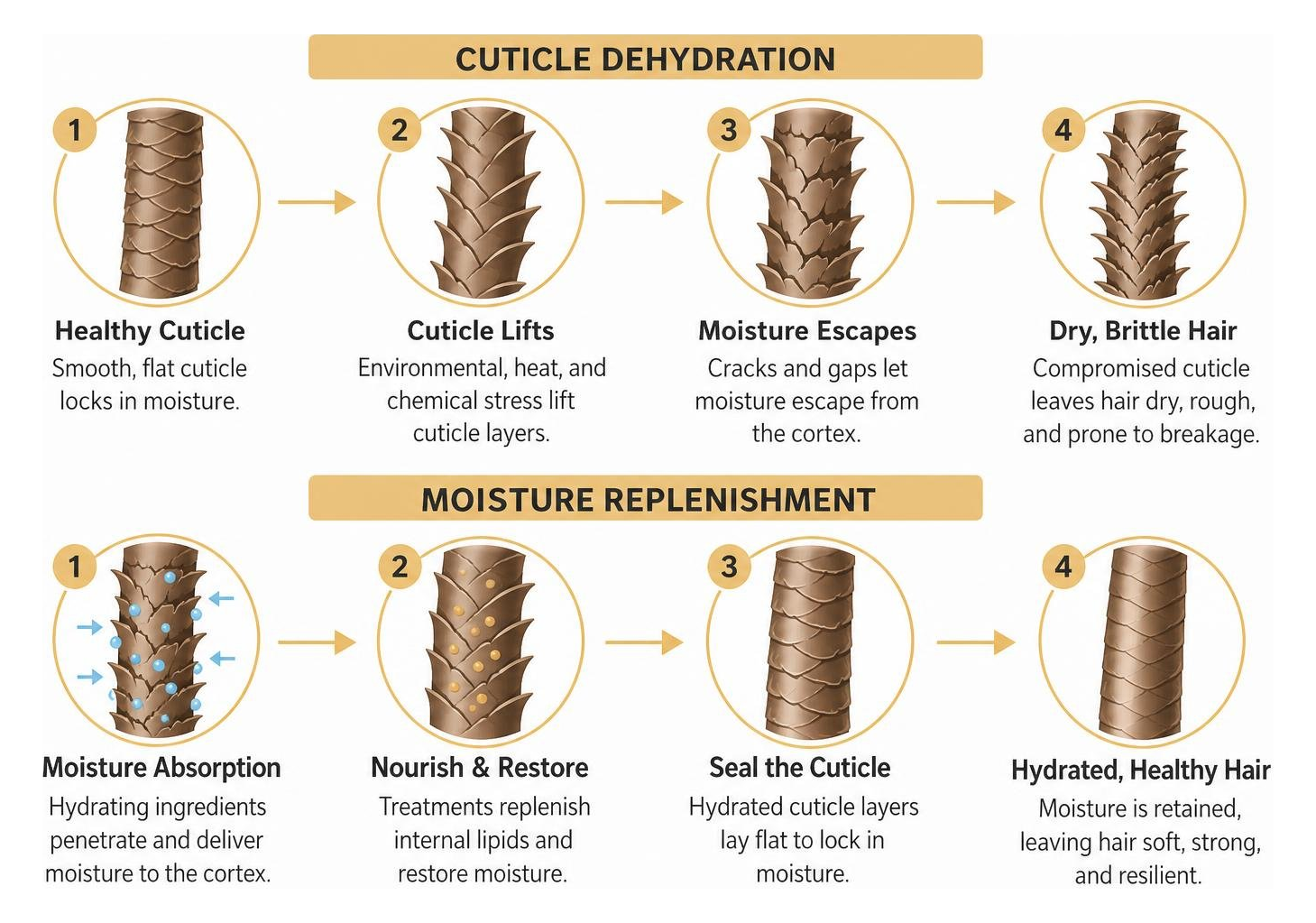
To hydrate dry hair effectively, use a hydrate dry hair treatment that penetrates the strand to replenish lost internal lipids and seals the outer cuticle. Deep hydrating masks and flash hydration treatments deliver humectants, plant oils, and biomimetic lipids into the hair shaft, restoring moisture retention and softness. Dry, brittle hair happens when the hair cuticle—the outermost protective shingle-like layer of your strand—lifts, cracks, or strips away. Once this protective barrier is compromised, essential moisture escapes from the inner cortex, leaving your hair feeling like straw. Environmental exposure, fluctuating Chicago weather, heat styling, and chemical services all accelerate this cuticle dehydration.
Hair porosity determines how rapidly your strands absorb and lose water. Low-porosity hair struggles to let moisture enter, while high-porosity hair drinks up hydration instantly only to lose it just as fast. Restoring moisture retention requires targeted treatments that replenish lost internal lipids and seal the outer cuticle layers.
Understanding Hydrate Dry Hair Treatment vs. Daily Conditioners
Many people wonder why their daily conditioner fails to solve persistent dryness. While both products improve manageability, they work on fundamentally different levels of the hair shaft.
Daily rinse-out conditioners focus on superficial detangling and surface lubrication. They contain lightweight cationic surfactants that temporarily smooth down raised cuticle edges after shampooing. Because they sit on the surface, their benefits typically wash away with your next shower.
In contrast, an intensive hydrating treatment or deep hair mask is formulated with higher concentrations of active lipids, humectants, and lower-molecular-weight agents designed to penetrate into the inner cortex. While daily conditioners offer a quick surface coat, deep conditioning masks deliver intensive restorative moisture that alters the elasticity and internal hydration of the strand. When hair feels persistently parched, incorporating specialized Chicago spa hair masks provides the concentrated nutrition your strands need to rebuild slip and suppleness.
| Feature | Daily Rinse-Out Conditioner | Deep Hydrating Hair Mask |
|---|---|---|
| Primary Goal | Surface smoothing, quick detangling | Cortex hydration, lipid replenishment, repair |
| Penetration Depth | Outer cuticle surface | Deep cuticle layers and inner cortex |
| Molecular Weight | Uniform, higher-weight film formers | Multi-weight lipids and penetrating humectants |
| Processing Time | 1 to 2 minutes | 3 to 20 minutes |
| Usage Frequency | Every wash | 1 to 2 times weekly |
| Longevity | Lasts until next shampoo | Sustained hydration lasting multiple washes |
Key Ingredients and Technologies for Restoring Moisture
Not all moisturizing agents act the same way on hair fibers. Modern hair care pairs restorative botanicals with bio-engineered delivery systems to hydrate and protect the hair shaft.
- Biomimetic Cuticle Technology: This advanced formulation mimics the natural 18-MEA lipid layer of healthy hair. It seals the cuticle without heavy chemical build-up, locking internal moisture inside the fiber across multiple washes.
- Avocado Oil: Rich in oleic acid and monounsaturated fats, avocado oil is one of the few plant oils with a molecular structure small enough to penetrate the hair shaft rather than simply coating the outside.
- Shea Butter: An exceptional emollient rich in fatty acids and vitamins, shea butter acts as a protective shield against moisture evaporation, making it ideal for coarse, thirsty hair textures.
- Macadamia Oil: Packed with squalene and palmitoleic acid, macadamia oil mimics your scalp’s natural sebum, providing high slip and lightweight softness.
- Bamboo Extract: Rich in natural silica, bamboo extract strengthens fragile hair strands, improving elasticity and moisture retention.
For hair that is both chronically dry and damaged from heat or styling, integrating targeted hair oil fixes for dry hair helps replenish these crucial fatty acid complexes.
How to Choose a Hydrate Dry Hair Treatment for Your Hair Type
Finding the right hydrate dry hair treatment requires balancing your hair’s diameter, density, and chemical history:
- Fine Hair: Fine strands easily collapse under heavy plant butters. Look for water-based humectants, lightweight amino acid complexes, and volumizing hydration formulas that moisturize without sacrificing body.
- Medium Density Hair: Balanced hair textures thrive on moderate oil blends containing avocado or argan oil combined with biomimetic sealing agents.
- Coarse & Thick Hair: Coarse hair has a wider diameter and requires rich, dense occlusives like shea butter and concentrated lipid complexes to soften rigid textures.
- Curly & Coily Patterns: Natural curls feature natural bends along the hair shaft where cuticles lift, making them prone to rapid moisture loss. Rich emollient masks with high slip provide definition and prevent shrinkage.
- Bleached & Chemically Treated Strands: Chemical processing strips natural lipids and breaks internal bonds. Choose bond-supporting masks free from sulfates that offer deep lipid replacement without stripping color.
- Keratin-Treated Hair: Avoid treatments containing sodium chloride or harsh sulfates. Prioritize pure, sulfate-free hydrating formulas with biomimetic technologies to protect smoothing treatments.
To learn more about matching treatments to specific hair damage profiles, explore our complete guide to salon hair treatments.
Skincare-Grade Actives: Hyaluronic Acid vs. Plant Butters
The hair care industry has embraced skincare-grade actives, particularly hyaluronic acid. Understanding how these ingredients function helps you select the right formula:
- Hyaluronic Acid (Humectant): Acts like a moisture magnet, drawing water molecules directly into the hair fiber to plump dehydrated strands from within. It offers weightless, flash hydration that leaves fine and medium strands soft, full, and bouncy.
- Plant Butters (Occlusives & Emollients): Form thick, protective seals over the hair shaft to prevent moisture evaporation. While essential for coarse and curly textures, heavy butters can weigh down finer hair if overused.
For balanced hydration, fine hair benefits from humectant-focused formulas like hyaluronic acid sprays or flash rinses, while coarse, high-porosity hair thrives on humectants layered beneath rich plant butters. According to the American Academy of Dermatology, using a conditioner after every shampoo helps improve the look of dry or damaged hair by increasing shine and reducing static electricity.
Comparing Treatment Formats: Deep Masks vs. Flash Hydration
Choosing between a traditional hair mask and a rapid flash hydration treatment depends on your schedule and hair texture.
Lamellar flash hydration treatments use liquid micro-layers that deposit ultra-fine conditioning agents precisely where damage is detected along the strand. They activate with water in as little as 8 seconds, providing high shine without heaviness.
Traditional deep conditioning masks, on the other hand, require 3 to 20 minutes to allow their rich, multi-weight lipid complexes to soften and penetrate the hair cortex.
| Feature | Deep Conditioning Masks | Flash Hydration (Lamellar Water) |
|---|---|---|
| Application Time | 3 to 20 minutes | 8 to 10 seconds |
| Primary Base | Rich creams, plant butters, lipids | Liquid lamellar solution, hyaluronic acid |
| Target Texture | Medium, coarse, curly, damaged hair | Fine, medium, flat, or normal hair |
| Heat Assistance | Beneficial (shower cap or warm towel) | Not required (self-warming activation) |
| Weight on Hair | Moderate to rich | Featherlight / Zero residue |
| Primary Benefit | Deep lipid repair and long-term softness | Instant slip, glossy alignment, flash detangling |
Salon-Grade Cuticle Repair Considerations
When evaluating intensive treatments, formula purity is just as important as hydration strength:
- Sulfate-Free Systems: Sulfates strip the natural protective lipid layer from the cuticle, counteracting your hydration efforts.
- Silicone Build-Up Prevention: While cosmetic silicones provide temporary slip, non-water-soluble varieties accumulate on the hair shaft over time, blocking moisture from entering. Look for silicone-free or water-soluble biomimetic alternatives.
- Drying Alcohol Risks: Watch out for short-chain drying alcohols like isopropyl alcohol or alcohol denat, which dehydrate the hair and can cause scalp stinging. Instead, look for beneficial fatty alcohols like cetyl, stearyl, and cetearyl alcohol, which soften and smooth strands.
Step-by-Step Application for Maximum Hydrate Dry Hair Treatment Absorption
Applying a hair mask incorrectly can lead to greasy roots and dry ends. Follow this step-by-step technique to get the most out of your treatment:

- Cleanse Thoroughly: Wash hair with a gentle, sulfate-free shampoo to remove styling residues and open the cuticle layer.
- Squeeze Out Excess Water: Gently squeeze out water or blot hair with a microfiber towel. Applying a mask to soaking-wet hair dilutes the active ingredients and causes the product to slip right off.
- Target Mid-Lengths to Ends: Dispense a quarter-sized amount into your palms and work it evenly through your mid-lengths and ends. Avoid applying rich masks directly to your scalp to prevent clogged follicles.
- Process According to Need:
- Express Moisture: Leave on for 3 to 5 minutes during your regular shower routine.
- Intensive Recovery: Cover with a shower cap and leave on for 15 to 20 minutes to allow the lipids to penetrate deeply.
- Rinse with Cool-to-Lukewarm Water: Rinse thoroughly until the water runs clear. A cooler rinse helps smooth down the cuticle scales, locking in the active ingredients.
- Skip the Extra Conditioner: Because high-performance masks provide complete cuticle sealing and conditioning, you do not need to follow with a separate conditioner.
Clinical Performance and Longevity: What Real Results to Expect
Modern hydrating treatments with biomimetic technology provide measurable, long-lasting improvements in hair texture:
- 74% Frizz Reduction: High-performance lipid seals keep humidity from penetrating the hair shaft, controlling frizz throughout the day.
- 119% Increase in Shine: Smoothing the rough cuticle into a uniform surface allows light to reflect evenly, creating high shine.
- 71% Immediate Reduction in Breakage: Penetrating botanical oils and fatty acids restore flexibility to brittle strands, reducing snap and split ends.
- Multi-Wash Hydration Retention: Formulations engineered with biomimetic cuticle tech provide 16X instant hydration while retaining 6X continuous hydration even after 5 washes.
- Consumer Satisfaction: In broad consumer studies, 89% of users report softer, more hydrated hair, 79% note reduced frizz and easier styling, and 72% observe visible, healthy shine.
Frequently Asked Questions About Dry Hair Hydration
How often should you use a deep hydrating treatment on dry or bleached hair?
For typical dry or color-treated hair, using a deep conditioning treatment once per week is ideal. If your hair is bleached, chemically straightened, or exposed to intense heat, you can increase usage to 1–2 times weekly. Avoid over-moisturizing fine hair, as excessive softening without adequate structural protein can leave strands limp and fragile.
Do hydrating masks cause scalp irritation or weigh down fine strands?
Hydrating masks do not cause irritation or heaviness when used correctly. Scalp irritation generally occurs if rich formulas containing heavy fragrances or drying alcohols are applied directly to the scalp skin. To prevent buildup and preserve natural volume, always keep deep masks focused on your mid-lengths and ends. If your scalp itself feels dry or flaky, look into specialized treatments for dry scalp rather than coating your roots in heavy hair butter.
Can I apply regular conditioner immediately after rinsing a hair mask?
No, you do not need to follow a hydrating mask with a regular conditioner. Quality masks are formulated to provide complete internal hydration and surface cuticle sealing in a single step. Layering a conditioner over a freshly applied mask can overload the hair fiber, leading to limp, greasy strands.
Conclusion
Healthy, radiant hair starts with understanding your strand’s unique porosity, diameter, and hydration needs. Whether you choose an express hyaluronic flash rinse for lightweight bounce or an intensive biomimetic lipid mask for coarse, thirsty locks, consistent care keeps hair soft, strong, and manageable.
If you are looking for professional, customized scalp and hair rejuvenation, visit us at O Spa Chicago. Located in the heart of River North, our luxury day spa offers tailored organic hair therapies and revitalizing scalp treatments. Walk-ins and same-day appointments are always welcome—stop by today to treat your hair to the personalized moisture it deserves!