Rekindle the Romance with a Couples Spa and Massage Retreat
July 24, 2026
How Enhanced Hand Treatment Restores Softness and Youth to Your Skin
July 28, 2026
Why Finding the Right Hair Styling Products for Seborrheic Dermatitis Is So Hard
If you’re looking for the best hair styling products for seborrheic dermatitis, here’s a quick answer:
Top seborrheic dermatitis-safe styling options:
- Kaolin clay stylers — absorb excess oil without feeding Malassezia yeast
- Aloe vera or flaxseed gels — lightweight hold, no oils or esters that trigger flares
- Selenium disulfide or salicylic acid shampoos — prep the scalp before styling
- Fragrance-free, oil-free styling creams — define and hold without clogging follicles
- Sea salt sprays (unscented) — extend time between washes with minimal irritation
Seborrheic dermatitis affects between 3 and 10 out of every 100 people at some point in their lives. Yet most hair styling products on the market are formulated with exactly the ingredients that make it worse.
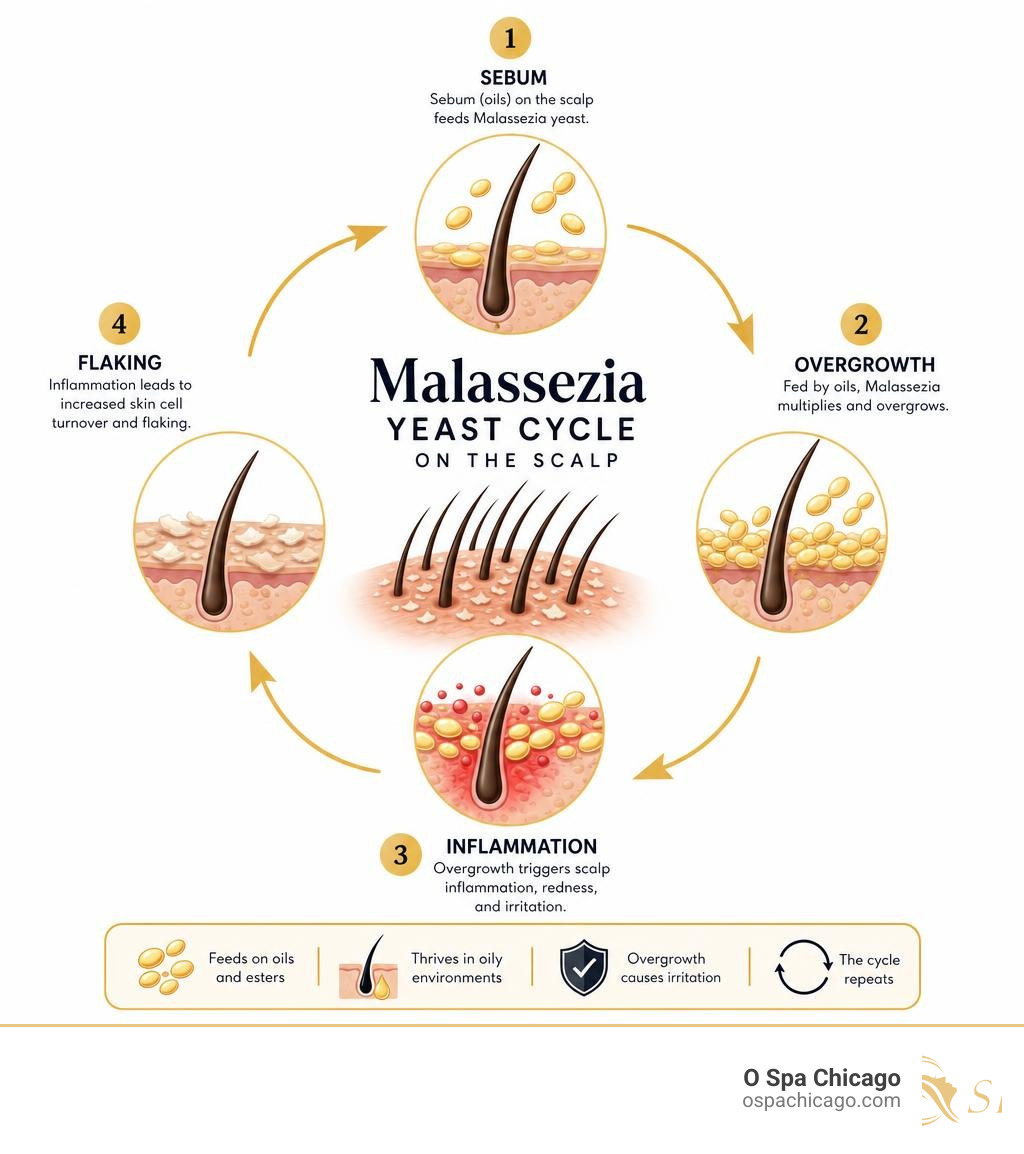
The root cause is a yeast called Malassezia. It lives naturally on your scalp, but when it overgrows, it triggers inflammation, flaking, redness, and that relentless itch. The problem? Malassezia feeds on oils and esters — two ingredients found in the vast majority of styling creams, gels, and sprays.
So for anyone managing seb derm, picking up a random styling product isn’t just unhelpful. It can actively cause a flare.
The good news is that the right products do exist. And some of them can even calm the scalp while keeping your hair looking great.
Best hair styling products for seborrheic dermatitis vocab to learn:
Understanding Seborrheic Dermatitis and Hair Styling Challenges
To understand why styling your hair feels like walking through a minefield, we have to look at what is happening on your scalp. Seborrheic dermatitis (SD) is a chronic inflammatory skin condition closely tied to the overproduction of sebum (your scalp’s natural oil). This excess oil creates a feast for Malassezia yeast, which breaks down the sebum into free fatty acids.
These fatty acids penetrate your scalp barrier, causing irritation, rapid skin cell turnover (hello, flakes!), and inflammation. When your scalp barrier is compromised, it becomes incredibly sensitive to external triggers.
This is where traditional hair styling products fail you. Most pomades, waxes, and styling creams rely on heavy plant oils, esters, and fatty acids to provide hold, shine, and texture. While these ingredients make healthy hair look sleek, they act as fuel for the Malassezia yeast on an SD-prone scalp. Applying them is essentially feeding the fire.
Furthermore, styling products can create a physical film on the scalp, trapping sweat, dead skin cells, and yeast. This buildup clogs follicles and intensifies itching. If you are struggling with a persistent flare-up, finding immediate relief is key. You can explore targeted therapeutic options in our guide on The Best Dry Scalp and Dandruff Treatment Options for Instant Relief to help calm the initial storm before reintroducing a styling routine.
Key Features of the Best Hair Styling Products for Seborrheic Dermatitis
When shopping for the best hair styling products for seborrheic dermatitis, you have to think like a chemist. You want to look for specific formulations that respect your scalp’s delicate microbiome while still giving you the hold and texture you need.

Here are the key features to prioritize:
- Oil-Free and Ester-Free Formulas: Since Malassezia feeds on lipids with carbon chain lengths of 11 to 24, you must avoid almost all traditional plant oils (like coconut, argan, and olive oil) and esters (such as isopropyl palmitate or polysorbates). The only true exception is MCT oil (caprylic/capric triglyceride), which lacks the specific carbon chains the yeast needs to grow.
- Non-Comedogenic: Your stylers should be lightweight and easily water-soluble so they don’t clog your hair follicles or build up on your scalp.
- pH Balanced: A healthy scalp has an acidic pH of around 5.5. Products that are too alkaline can disrupt the acid mantle, leaving the skin vulnerable to further yeast proliferation.
- Calming Botanical Extracts: Look for anti-inflammatory, soothing ingredients like aloe vera, green tea, and chamomile. These help calm redness and itchiness without feeding the yeast.
According to the Mayo Clinic’s guidelines on seborrheic dermatitis treatment, managing the condition often requires a combination of regular medicated cleansing and lifestyle adjustments, which includes avoiding heavy, greasy hair products that can trap yeast and irritate the skin.
Top Recommended Styling Creams, Clays, and Gels
Finding the perfect balance between styling performance and scalp safety doesn’t mean you have to settle for boring hair. Whether you want a matte, textured look or defined, bouncy curls, there are excellent scalp-safe formulations available. Let’s break down the top recommended products by category.
Safe Styling Clays and Creams: The Best Hair Styling Products for Seborrheic Dermatitis
If you prefer a matte finish, textured volume, and a strong hold, clays and creams are your go-to styling tools. However, traditional pomades are usually packed with petroleum, lanolin, or heavy vegetable oils.
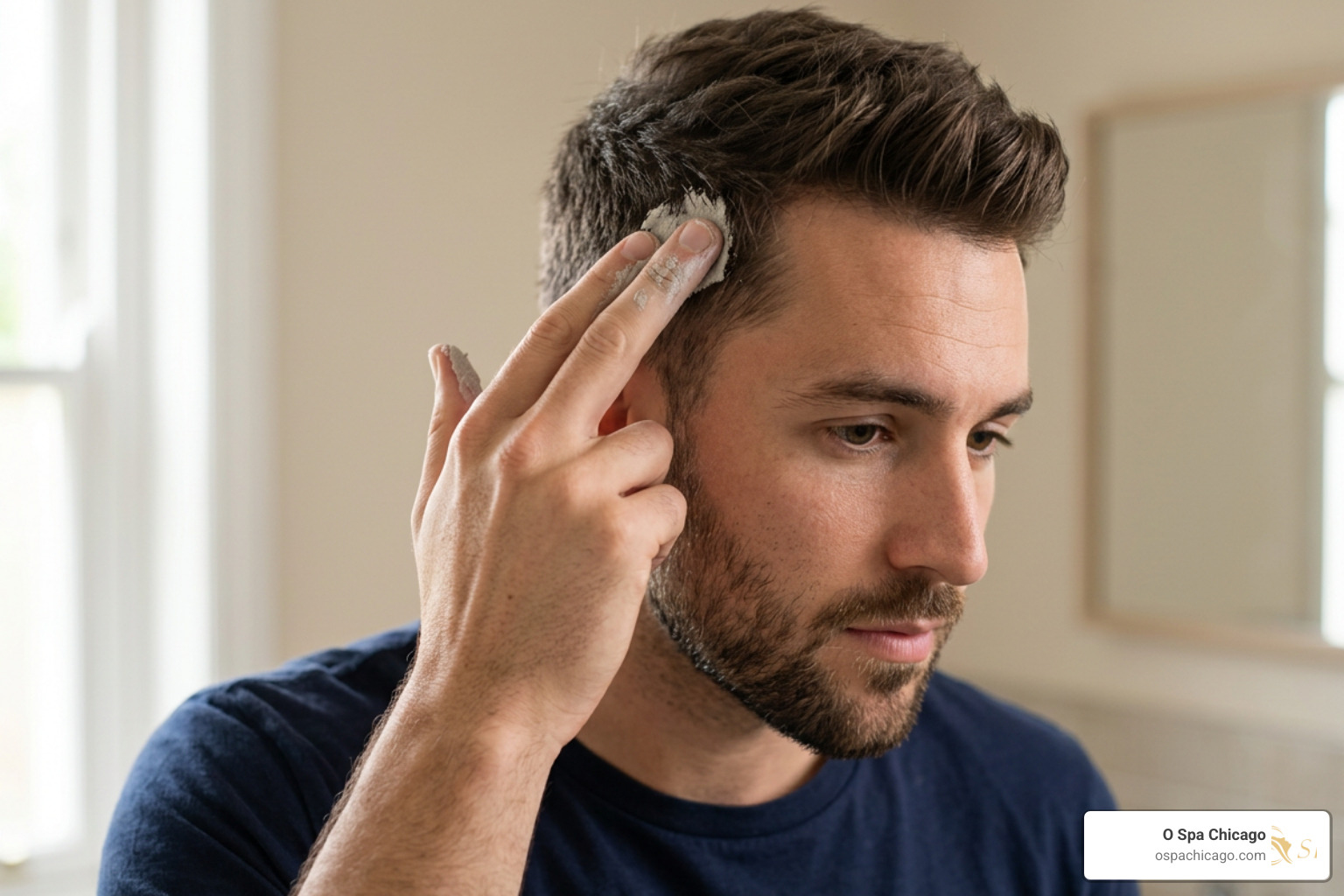
The secret to a safe clay styler lies in mineral-based ingredients:
- Kaolin Clay & Bentonite: These natural clays are fantastic for seborrheic dermatitis. They physically absorb excess sebum from the scalp throughout the day, removing the food source for yeast while building incredible volume and a clean, matte texture.
- MCT Oil (Medium-Chain Triglycerides): Safe styling clays and creams often use pure MCT oil as a emollient base. It provides the smooth application of a traditional cream without feeding Malassezia.
- Beeswax: Used in moderation, beeswax provides a clean, natural hold that is generally well-tolerated by sensitive scalps, provided it is washed out regularly.
When using clays, focus the application on the mid-lengths and ends of your hair, keeping direct contact with your scalp to a minimum.
Lightweight Gels and Foams: The Best Hair Styling Products for Seborrheic Dermatitis
For those with wavy, curly, or fine hair, lightweight gels and foams offer excellent frizz control and definition without weighing the hair down or clogging pores.
- Natural Film-Formers: Gels formulated with aloe vera or flaxseed extract provide a flexible, natural hold. These botanicals soothe irritated skin while creating a protective, humidity-resistant barrier around the hair shaft.
- Advanced Emulsifiers: Modern formulation science has introduced high-performing ingredients like Crodafos CES. As detailed in the clinical review on Optimizing Seborrheic Dermatitis Treatment Across Diverse Hair Types, advanced emulsifiers with a high Krafft temperature prevent the buildup of negative charges on hair fibers and avoid depositing heavy, irritating residues on the scalp. This makes them exceptionally safe for all hair textures, including chemically treated and tightly coiled hair.
For curly hair, refer to curated lists like The Best Seborrheic Dermatitis Safe Hair Products to find styling gels that are free of yeast-feeding ingredients. Additionally, some specialty gels, such as those discussed in the literature on the Support Treatment of Seborrheic Dermatitis With Hair Gels, are specifically designed to deliver soothing, non-greasy hold while supporting a healthy scalp environment.
Medicated Cleansers and Conditioners to Prep Your Hair
The secret to a flawless style is a clean canvas. If you have seborrheic dermatitis, your styling routine actually begins in the shower. Prepping your hair with targeted, medicated ingredients ensures that your scalp is calm, flakes are minimized, and your hair is ready to hold its style.
Look for cleansers and conditioners containing clinically proven active ingredients:
- Selenium Disulfide: An incredibly powerful antifungal agent that slows down cell turnover and targets yeast.
- Salicylic Acid: A keratolytic agent that gently dissolves the intercellular “glue” holding scaly buildup together, making flakes easy to wash away.
- Ketoconazole: A broad-spectrum antifungal that directly addresses Malassezia overgrowth.
The efficacy of these ingredients is backed by strong clinical data. In Dermatologists’ self-assessment of 1% selenium disulfide and 0.9% salicylic acid shampoo, researchers found remarkable satisfaction rates:
- 88.5% of dermatologists expressed satisfaction with the formula for managing scalp seborrheic dermatitis.
- 90.5% of dermatologists were willing to recommend it in clinical practice.
- 86.3% of users reported significant improvements in itching, flaking, and redness.
- 80% of users noted enhanced hair quality, proving that medicated treatments don’t have to leave your hair feeling stripped or dry.
To build a complete pre-styling routine, you can explore specialized products like the Psoriasis & Seborrheic Dermatitis Shampoo for Itchy, Flaky Scalp | RoyceDerm or the complete Seborrheic Dermatitis Shampoo and Conditioner | RoyceDerm set. These formulas focus on clearing buildup while restoring the skin barrier. For a deeper look into professional-grade scalp care, check out The Ultimate Guide to Scalp and Hair Treatment.
If your scalp is highly sensitive to traditional surfactants, you might also consider innovative options like the Gel Shampoo Seborrheic Dermatitis | Euphidra, which utilizes metallic silver for its natural, broad-spectrum antimicrobial properties.
Best Practices for Styling a Sensitive Scalp Without Flare-Ups
Even if you are using the safest products in the world, how you apply them matters just as much as what you apply.
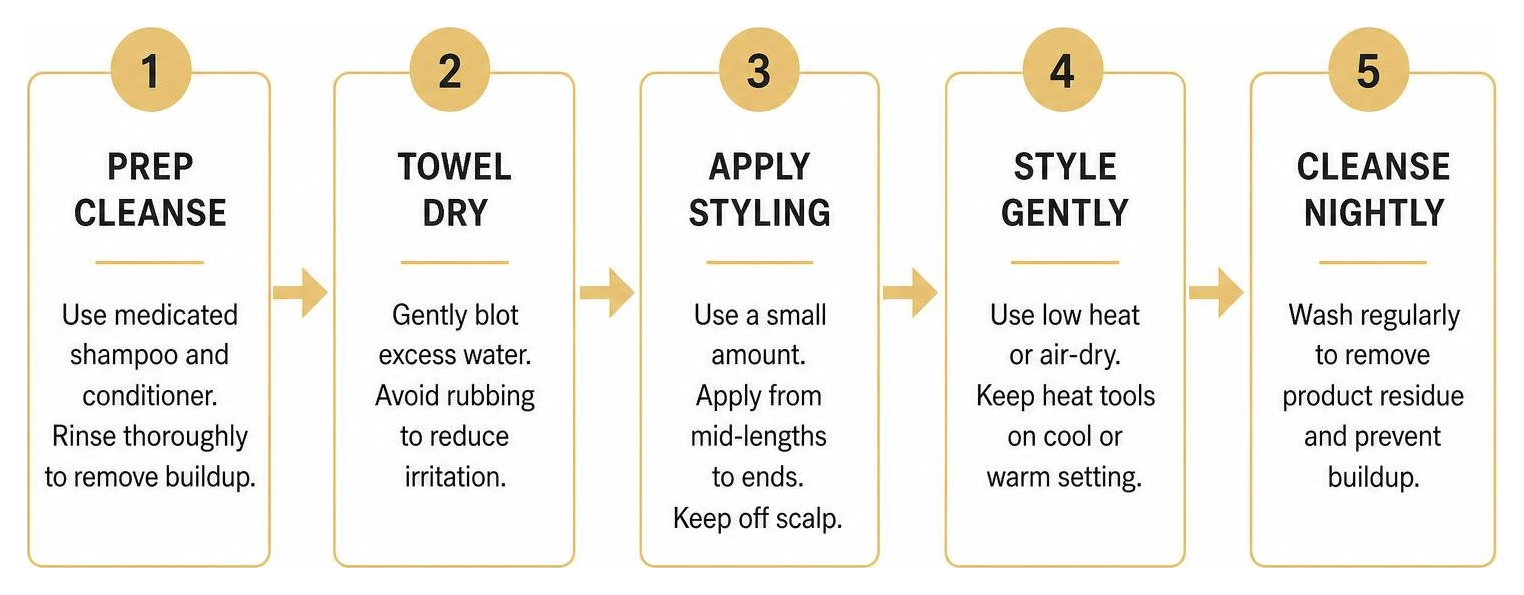
Follow these best practices to keep your scalp calm and your style locked in:
- Keep It Off the Scalp: When applying styling creams, clays, or gels, rub the product between your palms and apply it starting an inch away from your roots. Work it through the mid-lengths and ends. There is rarely a need to rub styling products directly into your scalp skin.
- Avoid Heavy Heat: High heat from blow dryers can dry out your scalp, triggering a rebound effect of excess sebum production. Use the cool or warm setting, and keep the dryer moving.
- Cleanse Thoroughly: Never go to bed with heavy styling products in your hair if you can avoid it. If you style daily, ensure you are washing your hair regularly with a gentle, scalp-safe shampoo to prevent buildup.
- Incorporate Soothing Masks: Between styling days, pamper your lengths and scalp with deeply hydrating, safe formulas. You can explore excellent options in our guide on how to Say Goodbye to Dry Hair with These Chicago Spa Hair Masks.
To help you quickly identify what to look for on ingredient labels, here is a handy comparison table:
| Safe Ingredients (Look For) | Unsafe Ingredients (Avoid) |
|---|---|
| Kaolin & Bentonite Clay (Absorbs oil) | Coconut Oil & Shea Butter (Feeds yeast) |
| MCT Oil / Caprylic Triglyceride | Isopropyl Palmitate / Esters |
| Aloe Vera & Flaxseed Gel (Soothes) | Polysorbate 20 / 80 |
| Salicylic Acid (Exfoliates) | Heavy synthetic fragrances / Perfumes |
| Metallic Silver & Tea Tree (Antimicrobial) | Fermented oils / Yeast extracts |
Frequently Asked Questions about Seborrheic Dermatitis Styling
We know navigating hair care with seborrheic dermatitis can be frustrating. Here are answers to some of the most common styling questions we hear.
Which ingredients should I absolutely avoid in hair styling products?
You should absolutely avoid heavy vegetable oils (like coconut, olive, avocado, and argan oil), fatty acids (such as lauric, palmitic, and oleic acids), and esters (often ending in “-ate,” like isopropyl myristate). Additionally, avoid polysorbates, fermented oils, and yeast-derived ingredients. All of these serve as direct food sources for the Malassezia yeast and can trigger a rapid flare-up.
Can I use dry shampoo if I have seborrheic dermatitis?
Generally, we advise against traditional dry shampoos. Most rely on starches (like cornstarch or rice starch) to absorb oil. This starch can combine with sebum, creating a thick paste that clogs hair follicles, traps yeast, and suffocates the scalp. If you need to extend the time between washes, opt for a lightweight, unscented sea salt spray misted lightly at the roots to refresh your texture, or use a dedicated scalp toner.
How often should I wash my hair when using styling products?
If you are actively using styling products, you should aim to wash your hair every 2 to 3 days. Allowing styling products—even safe ones—to sit on the scalp for too long can trap sweat and natural oils, creating an environment where yeast thrives. Alternate your medicated treatment shampoos with a gentle, daily-use, pH-balanced clarifying shampoo to keep your scalp clean and free of buildup.
Conclusion
Living with seborrheic dermatitis in 2026 doesn’t mean you have to sacrifice your personal style. By choosing oil-free clays, lightweight botanical gels, and prepping your hair with clinically proven medicated cleansers, you can enjoy defined, voluminous, and beautiful hair without the dreaded itch and flakes.
At O Spa Chicago, located in the heart of River North Chicago, Illinois, we believe that scalp health is the foundation of beautiful hair. We specialize in luxury, personalized wellness experiences, combining organic products with advanced scalp and hair treatments to restore balance to your skin.
If you’re ready to treat your scalp to the ultimate pampering and clear up persistent irritation, we invite you to experience our specialized, calming scalp therapies. Walk-ins and same-day appointments are always welcome. Book a luxury scalp treatment at O Spa Chicago today and let our expert team restore your scalp’s natural health and confidence.