
Get Your Head in the Game with the Best Scalp Care Shampoo
September 29, 2026
From Braces to Kyphoplasty: The Practical Guide to Fractured Back Treatment
October 3, 2026
What Is Swedish Bodywork and How Does It Work?
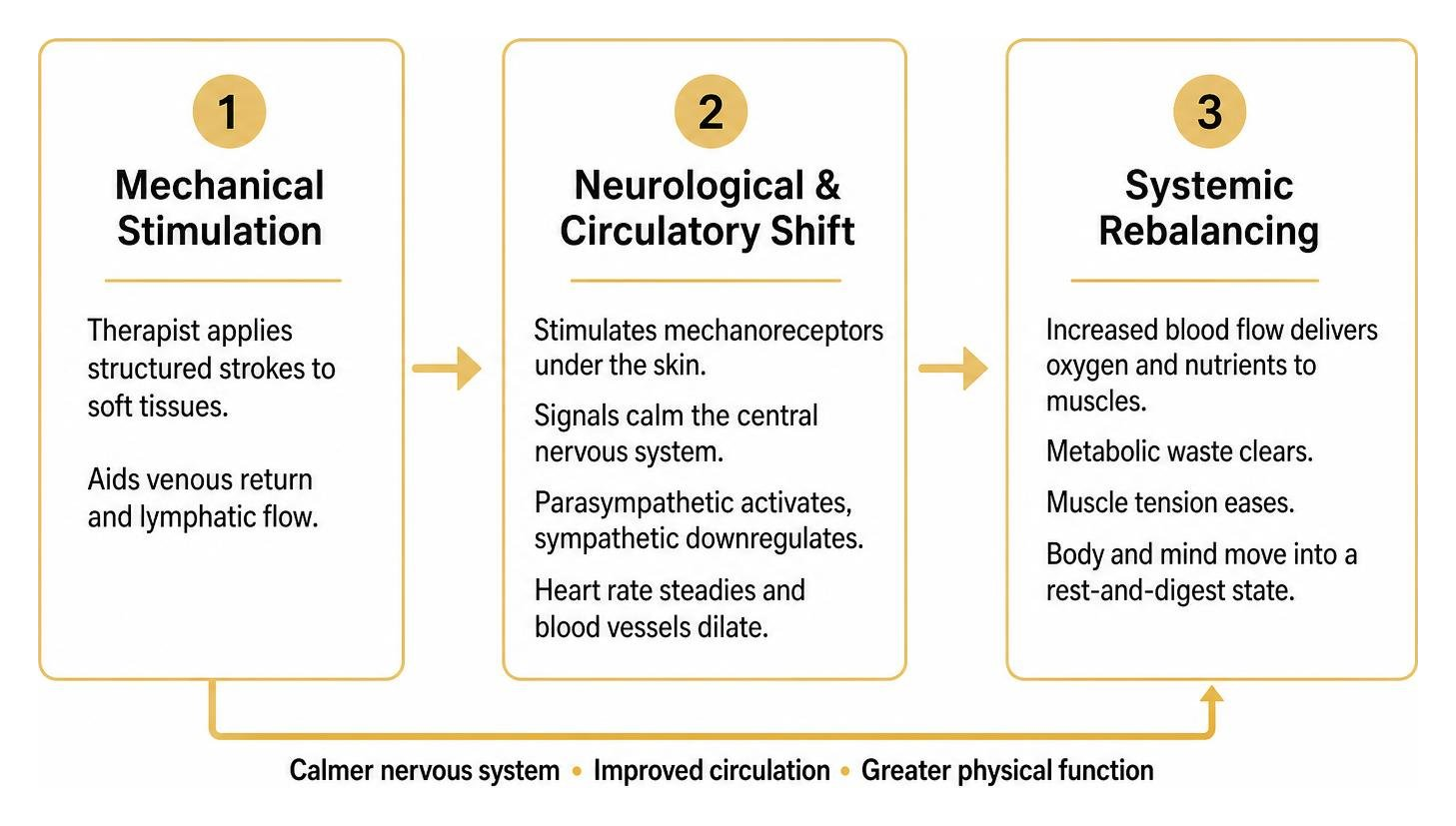
Swedish bodywork operates on mechanical and physiological principles designed to calm your central nervous system while improving physical function. When a licensed massage therapist works with your soft tissues, they are not simply rubbing tired muscles. They are applying structured strokes directed toward the heart, mechanically assisting venous blood return and encouraging lymphatic fluid movement.
This deliberate manipulation stimulates mechanoreceptors beneath the skin. These sensory receptors send immediate signals to your brain to downregulate the sympathetic nervous system (your “fight-or-flight” response) and activate the parasympathetic branch (your “rest-and-digest” state). As your heart rate steadies and peripheral blood vessels dilate, tight muscle fibers receive fresh, oxygenated blood while metabolic waste products clear away.
A comprehensive systematic review evaluated the physical and psychological outcomes of Swedish massage across diverse populations (Barreto & Batista, 2017). The findings demonstrated measurable benefits, ranging from significant lower-back pain reduction in working professionals to improved hormonal balance and reduced anxiety across various clinical groups. For a broader overview of how touch therapies affect the body, the massage entry provides additional historical and physiological context.
Understanding Classical Swedish Bodywork Principles
The roots of modern Swedish massage trace back to European movement and physical culture systems, notably influenced by 19th-century Swedish educator Per Henrik Ling and later refined by Dutch practitioner Johan Georg Mezger. Ling established a movement system known as the Swedish Movement Cure, which combined gymnastics, passive joint movements, and tactile stimulation to restore vitality and functional alignment.
Today, classical Swedish bodywork emphasizes the connection between structural balance, breathing, and nervous system regulation. Therapists view the body as an interconnected kinetic chain: tight shoulders restrict the ribcage, shallow breathing follows, and tension ripples down into the lower back. By working systematically through major muscle groups, Swedish techniques restore natural movement patterns, dynamic posture, and mental calm.
What Makes Swedish Massage Unique
Selecting the right modality depends entirely on what your body needs at any given moment. Swedish massage stands out for its rhythmic, full-body approach designed to soothe rather than intensify sensation.
| Quality | Description |
|---|---|
| Primary Focus | Full-body relaxation, circulation, tension relief |
| Pressure Level | Light to Medium |
| Typical Sensation | Soothing, rhythmic, rejuvenating |
| Post-Session Downtime | Minimal to none |
This gentle, flowing style makes Swedish bodywork an excellent entry point for anyone new to professional touch therapy, as well as a favorite go-to for regular stress management.
Core Techniques Used in Swedish Bodywork
What sets Swedish bodywork apart is its standardized repertoire of manual strokes. These techniques are applied in a calculated sequence to warm superficial tissues before addressing deeper tension.

The Five Foundational Strokes and Their Physiological Effects
- Effleurage (Gliding Strokes): Long, sweeping strokes performed with the palms, thumbs, or forearms toward the heart. Effleurage warms the soft tissue, distributes massage oils evenly, stimulates blood flow, and calms the sensory nerves.
- Pétrissage (Kneading and Lifting): Rhythmic lifting, squeezing, and rolling of muscle tissue. Pétrissage increases local circulation, stretches tight muscle fibers, and helps flush out stagnant fluid trapped in dense tissue pockets.
- Friction (Cross-Fiber Rubbing): Targeted, circular, or linear pressure applied across muscle grains and around joint capsules. Friction generates localized heat, breaks down small adhesions, and promotes tissue elasticity.
- Tapotement (Percussion): Rapid, rhythmic tapping, cupping, or hacking motions using the edges of the hands or loose fists. Tapotement invigorates tired muscles, stimulates localized nerve endings, and can help loosen congestion in the chest wall.
- Vibration (Shaking and Oscillating): Gentle, trembling movements delivered through the fingertips or palms to destabilize tension holding patterns and deeply soothe the central nervous system.
Together, these five techniques support lymphatic drainage and assist the body in clearing metabolic byproducts, such as lactic acid buildup caused by physical exertion or prolonged static posture.
Integrating Swedish Bodywork with Other Modalities
Swedish massage serves as an outstanding standalone treatment, but it also pairs seamlessly with other restorative spa therapies. For example, combining classic strokes with scalp massage creates a whole-body reset that alleviates tension headaches and digital eye strain. You can learn more about Swedish massage and scalp therapy combinations to see how cranial work enhances muscular unwinding.
Similarly, pairing Swedish work with full-body exfoliation or botanical wraps amplifies detoxification and skin renewal. Exploring restorative body treatments gives you insight into how heat, hydration, and manual bodywork work together for complete rejuvenation.
Key Physical and Mental Health Benefits
Whether you spend forty hours a week at a standing desk in River North or manage high daily stress, Swedish bodywork offers verifiable physical and psychological relief.

Using clean, botanical formulations further enriches the experience. Choosing botanical and natural spa services ensures that nourishing plant oils penetrate your skin barrier without artificial fragrances or petroleum fillers.
Musculoskeletal Relief and Joint Flexibility
- Eases Lower Back Discomfort: Relieves lumbar and gluteal tension developed from long periods of sitting or physical labor.
- Expands Joint Range of Motion: Gentle passive stretching and soft tissue release reduce stiffness around the hips, shoulders, and spine.
- Alleviates Postural Tension Headaches: Releasing trigger points in the trapezius, levator scapulae, and suboccipital muscles prevents cervicogenic headaches.
- Relieves Muscle Spasms: Rhythmic kneading calms hyperactive muscle spindles, breaking painful spasm-pain-spasm cycles.
Neurological and Emotional Rebalancing
The biological impact of intentional touch goes far beyond muscle relaxation:
- Reduces Cortisol: Lowers systemic levels of the primary stress hormone, easing chronic internal strain.
- Boosts Feel-Good Neurotransmitters: Stimulates the production of dopamine, serotonin, and oxytocin to elevate mood and foster emotional grounding.
- Strengthens Immune Activity: Regular massage increases circulating lymphocytes, the white blood cells responsible for defending against pathogens.
- Improves Sleep Quality: By stimulating the vagus nerve and enhancing parasympathetic tone, Swedish bodywork encourages deeper, more restorative sleep cycles.
Safety, Contraindications, and Session Preparation
Swedish massage is one of the safest manual therapies available, but professional screening remains essential. A skilled therapist always conducts a thorough health intake to customize your treatment, evaluate any existing physical conditions, and keep you safe throughout the session.
When selecting a provider, following proven tips for finding a quality local massage spa ensures you partner with licensed, insured therapists who prioritize proper qualifications, clean facilities, and open communication.
When to Consult a Physician and Pregnancy Considerations
Always seek medical advice before scheduling a session if you have any of the following:
- Cardiovascular Issues: Severe uncontrolled hypertension, recent heart surgery, or advanced heart disease.
- Blood Clotting Concerns: Deep vein thrombosis (DVT), a history of pulmonary embolism, or use of heavy blood thinners.
- Severe Osteoporosis: Fragile bone density requires modified, ultra-light pressure.
- Active Infections or Skin Conditions: Open wounds, contagious rashes, or systemic fevers are contraindications for bodywork.
- Pregnancy: While Swedish bodywork is wonderful for easing prenatal lumbar strain, sessions should always be adapted with side-lying positioning, supportive bolsters, and customized pressure. Always consult your obstetrician before booking.
Preparing for Your Session and Optimal Frequency
To make the most of your appointment, keep these simple guidelines in mind:
- Hydrate: Drink water before and after your session to assist your circulatory and lymphatic systems in processing metabolic waste.
- Eat Lightly: Avoid heavy meals within 90 minutes of your appointment so your body can focus on relaxation rather than digestion.
- Communicate Openly: Let your practitioner know your preferences regarding room temperature, music, and pressure depth. You can ask for adjustments at any point during your session.
- Undress to Your Comfort: You may undress to your level of comfort—whether that means leaving undergarments on or removing them completely. Professional draping guarantees that only the specific body part being addressed is ever uncovered.
For general wellness maintenance, a session every 3 to 4 weeks works well. If you are addressing acute postural tension or high stress, bi-weekly sessions for one to two months can help reset your baseline comfort.
Frequently Asked Questions About Swedish Massage
Do I need to undress completely for a Swedish massage?
No. You should undress only to the level where you feel completely comfortable. Many clients keep their underwear on, while others disrobe entirely. Licensed massage therapists use strict professional draping techniques with sheets and blankets, ensuring your private areas remain securely covered throughout the entire session.
How does Swedish massage reduce muscle soreness and lactic acid?
Swedish massage utilizes mechanical strokes directed toward the heart, which speeds up venous blood flow and lymphatic drainage. This mechanical flushing accelerates the removal of cellular metabolic byproducts, including lactic acid, while delivering fresh nutrients to fatigued muscle fibers.
How often should I schedule a Swedish bodywork session?
For general stress relief and health maintenance, scheduling a massage once a month is an effective cadence. If you are managing chronic postural strain or elevated stress levels, scheduling sessions every one to two weeks can deliver faster, longer-lasting muscular relief.
Conclusion
Swedish bodywork remains the gold standard for full-body relaxation, healthy circulation, and nervous system balance. By blending rhythmic gliding, kneading, and joint mobilization, it offers a deeply restorative experience that leaves you centered and refreshed without intense post-treatment soreness.
At O Spa Chicago, we tailor every treatment to your unique body, combining skilled hands with organic botanical products in a serene setting. Whether you want to soothe desk-related shoulder tightness or simply take time to unwind, we invite you to explore our luxury massage services and book your personalized reset today.
References
Barreto DM, Batista MVA. “Swedish Massage: A Systematic Review of its Physical and Psychological Benefits..” Advances in mind-body medicine, 2017. PMID 28659510.