Say Goodbye to Flakes with the Best Medicated Shampoo for Seborrheic Dermatitis
September 17, 2026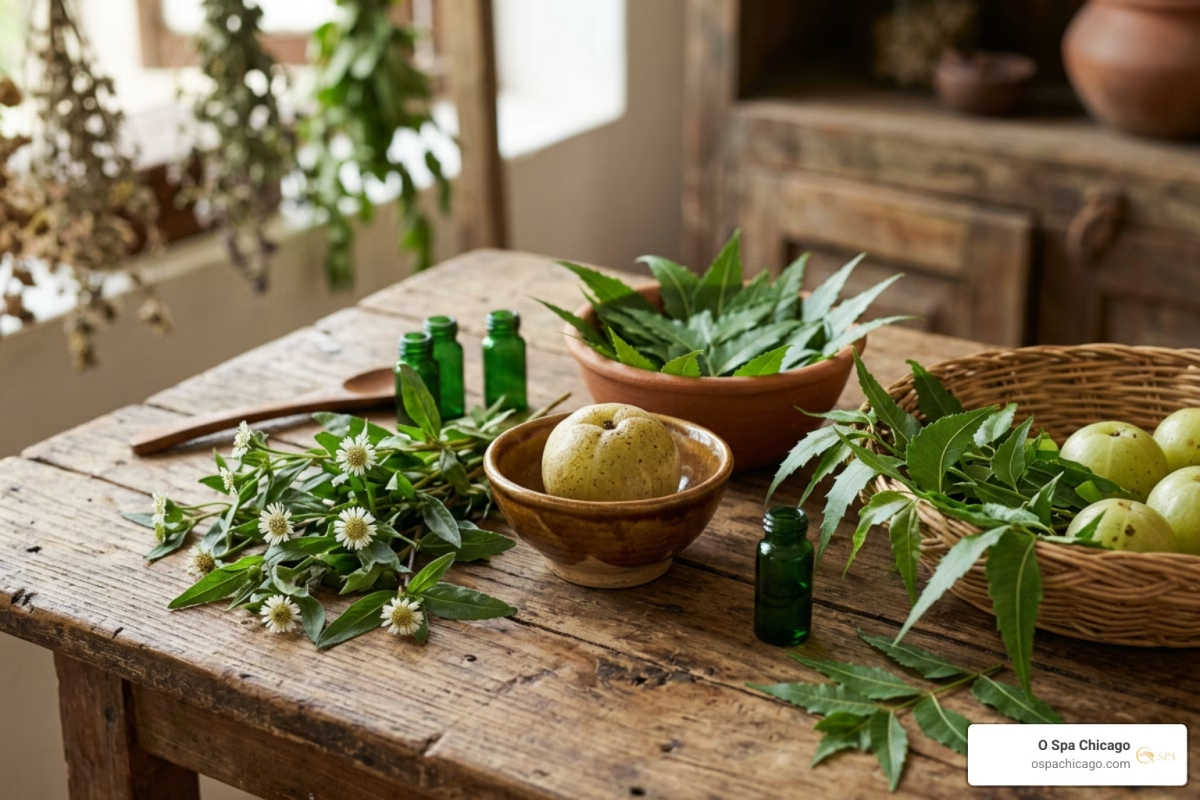
How Ayurvedic Hair Oils Nourish the Scalp and Stimulate Follicles
Using an Ayurvedic hair oil for hair growth stimulates thicker, healthier strands by infusing potent botanicals—such as Bhringraj, Amla, and Brahmi—into pure carrier oils that penetrate the scalp. This traditional therapy boosts microcirculation, nourishes dormant follicles, balances the scalp microbiome, and prolongs the hair’s active anagen growth phase.
In classical Indian medicine, hair is viewed as a direct byproduct of deep tissue nourishment (Asthi Dhatu). When your scalp experiences chronic tension, environmental pollution, or nutrient depletion, the microcirculation feeding each follicle slows down. This sluggish state can force active hair follicles prematurely into the telogen (resting) phase, resulting in diffuse thinning and excessive shedding.
Massaging these botanical lipid solutions into the skin enhances local blood flow, awakening dormant roots and delivering the oxygen and micronutrients required for robust cellular regeneration.

Furthermore, botanical oils restore the scalp’s lipid barrier. Stripping shampoos and dry indoor heating disrupt your natural microbiome, leading to excess sebum production or severe flaking. Botanical lipids balance sebum output while strengthening the hair bulb. If you want to understand how holistic therapies fit into a broader wellness plan, explore The Ultimate Guide to Scalp and Hair Treatment for an in-depth breakdown. You can also review modern clinical perspectives on classical formulations through Ayurvedic hair research insights.
Taila Paka Vidhi: The Classical Herbal Infusion Process
Traditional Ayurvedic hair oils are not made by simply dropping essential oils into a bottle of mineral oil. True therapeutic blends follow an ancient pharmaceutical method known as Taila Paka Vidhi.
This multi-stage process involves three essential components:
- Drava Dravya: A liquid medium, such as fresh herbal juices (Swarasa) or water decoctions (Kwatha).
- Kalka: A fine paste of freshly ground herbs containing targeted botanical actives.
- Sneha Dravya: A pure, unrefined base oil, traditionally sesame or coconut.
These elements are simmered slowly over low heat for several days. As the water content gradually evaporates, the lipid-soluble compounds, alkaloids, flavonoids, and volatile actives from the herbs transfer seamlessly into the oil matrix. The result is a shelf-stable, deeply bioavailable infusion that penetrates the transdermal layers of the scalp far more effectively than modern synthetic serums.
Essential Carrier Oils: Sesame, Coconut, and Almond Bases
The carrier oil acts as the delivery vehicle, determining how deeply the herbal actives penetrate:
- Unrefined Sesame Oil (Til Taila): Revered in classical Ayurvedic texts as the supreme oil for hair, sesame is naturally warming and packed with linoleic acid, vitamin E, zinc, and B-complex vitamins. It penetrates deeply into the dermal layers, making it ideal for dry scalps and chronic root weakness.
- Virgin Coconut Oil (Narikela Taila): Known for its cooling (Sheet Virya) properties, coconut oil has a unique medium-chain triglyceride structure (chiefly lauric acid) that allows it to bypass the outer cuticle and bind directly to internal hair proteins, preventing protein loss and mechanical breakage.
- Sweet Almond Oil (Vatada Taila): Rich in oleic acid, magnesium, and essential fatty acids, almond oil softens brittle strands, restores elasticity, and smooths split ends without feeling greasy.
If you struggle with environmental moisture loss or seasonal flaking, learn how to Hydrate Your Head with These Top-Rated Scalp Moisturizers to keep your moisture barrier intact.
Top Botanical Ingredients in Ayurvedic Hair Oil for Hair Growth
The magic of an Ayurvedic formula lies in the synergistic interplay of its plant constituents. Rather than relying on a single isolated molecule, traditional preparations combine whole herbs to address hormonal, microbial, and circulatory challenges simultaneously. For an overview of how plant actives compare to contemporary clinic options, read our guide on Thicker Hair Awaits: Best Hair Growth Treatments That Actually Work.
Why Bhringraj Leads Every Ayurvedic Hair Oil for Hair Growth
Known in Sanskrit as Keshraj or the “Ruler of the Hair,” Bhringraj (Eclipta alba) is the undisputed champion of Ayurvedic hair restoration.
Bioactive compounds like wedelolactone and ecliptine help reactivate sluggish follicles and extend the anagen (active growth) phase of the hair cycle. In clinical and laboratory evaluations, Bhringraj extract has demonstrated the ability to promote faster follicular transition from telogen to anagen than standard controls. Additionally, its high antioxidant profile protects melanocytes within the hair bulb, making it an exceptional defense against premature greying.
Amla and Brahmi for Follicle Strength and Scalp Calm
- Amla (Emblica officinalis): Known as the Indian Gooseberry, Amla is one of nature’s richest sources of stable Vitamin C and bioflavonoids. It supports cellular collagen synthesis around the hair follicle sheath, strengthening weak roots and preventing strand snapping. Its potent astringent properties also tighten the follicle opening, keeping each hair anchored firmly in place.
- Brahmi (Bacopa monnieri): While Amla provides structural reinforcement, Brahmi delivers neurological calm. High stress triggers elevated cortisol levels, a primary culprit behind sudden telogen effluvium (diffuse shedding). Massaging Brahmi-infused oil calms the central nervous system, reduces emotional tension, and cools an overstressed scalp.
Neem, Tulsi, and Rosemary for Flake-Free Scalp Health
A healthy hair follicle cannot thrive in compromised, inflamed soil.
- Neem (Azadirachta indica): A legendary antimicrobial and antifungal herb that cleanses excess Malassezia yeast, clearing chronic dandruff without stripping the scalp.
- Tulsi (Ocimum sanctum): Holy Basil boosts dermal circulation, clears environmental toxins, and protects the scalp from oxidative stress caused by urban pollution.
- Rosemary (Rosmarinus officinalis): Frequently integrated into modern Ayurvedic formulations, rosemary contains carnosic and rosmarinic acids. Clinical studies have shown that rosemary oil can stimulate hair growth at rates comparable to 2% minoxidil over six months by increasing microcapillary perfusion around dormant roots.
For those dealing with chronic itching or flaking, discover The Best Dry Scalp and Dandruff Treatment Options for Instant Relief. You can also read inspiring accounts of botanical restoration in this feature on How An Ayurvedic Hair Oil Reversed Her Hair Loss Naturally.
Selecting and Applying Oil Based on Your Ayurvedic Dosha
Ayurveda categorizes our physical constitutions into three primary bio-energies or Doshas: Vata (air/space), Pitta (fire/water), and Kapha (earth/water). Hair characteristics and common scalp issues are direct reflections of your dominant doshic balance.
| Dosha Profile | Scalp & Hair Characteristics | Common Imbalances | Recommended Base Oil & Key Herbs |
|---|---|---|---|
| Vata | Dry, thin, coarse, prone to frizz and split ends | Flaking, brittleness, excessive breakage | Sesame or Sweet Almond oil infused with Ashwagandha, Bhringraj, and Bala |
| Pitta | Fine, silky, warm scalp, sensitive to heat | Premature greying, receding hairline, redness | Cooling Coconut or Sunflower oil with Amla, Brahmi, Hibiscus, and Rose |
| Kapha | Thick, dense, coarse, naturally oily | Sebum congestion, sticky dandruff, follicle clogging | Light Sesame or Jojoba base with Neem, Tulsi, Rosemary, and Shikakai |
Customizing Ayurvedic Hair Oil for Hair Growth by Dosha Type
- Vata-Dominant Scalps: Require deep lipid saturation and warming herbs. Avoid light, evaporating sprays. Stick to rich, warm sesame or almond oils to seal porosity and lubricate the hair shaft.
- Pitta-Dominant Scalps: Need soothing, anti-inflammatory, and cooling infusions. Steer clear of excessively hot essential oil blends (like pure clove or cinnamon). Choose coconut oil macerated with amla, gotu kola, and sandalwood to calm heat and prevent early pigment loss.
- Kapha-Dominant Scalps: Require invigorating, clarifying botanicals. Heavy layers of raw coconut oil can overwhelm a Kapha scalp. Opt for lighter, fast-absorbing carrier bases infused with stimulating herbs like rosemary, jaborandi, and neem.
Step-by-Step Shiro Abhyanga Application Routine
To get the absolute most out of your botanical oil ritual, follow this traditional five-step application process:
- Gentle Warming: Never microwave botanical oils, as high direct heat destroys fragile flavonoids. Pour 1 to 2 tablespoons of oil into a small glass bowl and place it inside a larger bowl of hot water for 3 minutes until pleasantly warm.
- Marma Point Activation: Part your hair in sections. Place a few drops of warm oil on key pressure points: the crown of your head (Adhipati Marma), the temples, and the base of the skull.
- Circular Massage: Using the pads of your fingers (never your nails), massage in slow, circular motions. Apply firm but gentle pressure to move the scalp over the skull, stimulating blood flow directly to the roots.
- Strand Coating: Work the remaining oil down through your mid-lengths and ends to coat the cuticle, seal moisture, and protect against mechanical friction.
- Warm Towel Compress: For deeper penetration, soak a clean towel in warm water, wring it out completely, and wrap it around your oiled head for 10 to 15 minutes. The gentle steam opens the outer cuticle layer and increases follicular absorption. If your lengths are especially parched, you can pair this ritual with Say Goodbye to Dry Hair with These Chicago Spa Hair Masks.
What to Expect: Realistic Timelines, Clinical Results, and Precautions
When adopting an herbal hair oil regimen, patience and consistency are essential. Hair grows at an average rate of half an inch per month, and the follicular revitalization process follows clear milestones.
The Growth & Recovery Timeline
- Weeks 1–2 (Texture & Comfort): Scalp irritation, dryness, and itchiness subside. The hair shaft feels smoother, softer, and noticeably glossier thanks to surface lipid replenishment. In clinical in-vivo evaluations of herbal oil complexes, users reported up to a 43% increase in smoothness and 34% increase in shine after a single deep conditioning application.
- Weeks 3–4 (Shed Reduction): As follicle sheaths regain strength and inflammation decreases, daily shower and brushing shedding begins to normalize.
- Weeks 6–8 (Early Emergence): Dormant follicles reactivate. You may begin noticing short, fine “baby hairs” sprouting along your hairline and natural part.
- Weeks 10–12 (Density & Strength): Full restorative results become apparent. In an 84-day clinical study evaluating a traditional Bhringraj-Amla herbal hair complex, participants achieved a 26.25% improvement in hair growth and density. Strands feel thicker and break far less during daily styling.
Safety, Shedding, and Precautions
- The Initial Transition Phase: It is completely normal to notice a slight, temporary increase in hair shed during the first week of scalp massage. This is simply the mechanical release of telogen-phase hairs that were already detached and resting inside the follicle cup.
- Always Patch Test: Botanical extracts are potent. Place 3 drops of oil on your inner forearm or behind your ear and wait 24 hours to ensure you have no natural plant sensitivities.
- Wash Thoroughly: Leaving heavy oils on the scalp for several consecutive days without washing can trap environmental debris and feed scalp yeast. Always cleanse thoroughly with a gentle, sulfate-free shampoo after each treatment.
Frequently Asked Questions About Ayurvedic Hair Oiling
How long does it take to see visible results from Ayurvedic hair oil?
Most people experience immediate relief from scalp dryness and improved strand softness within 1 to 2 uses. Noticeable reductions in hair shedding typically appear by weeks 3 to 4. For visible new growth and improved overall density, consistent use 2 to 3 times per week for 8 to 12 weeks (a full 84-day follicular cycle) is required.
Can I use Ayurvedic hair oil on color-treated or chemically processed hair?
Yes. Pure botanical oils help restore the protective lipid layer stripped away during chemical processing, bleaching, or heat styling. Formulations containing unrefined coconut and sesame oils protect porous strands from moisture loss. However, if you have platinum blonde, silver, or very light pastel hair, avoid dark-hued oils high in pure Bhringraj or fresh henna, as these can impart subtle warm tones over time. Always perform a strand test on an inconspicuous section first.
Should Ayurvedic hair oil be left on overnight or washed off after an hour?
Both methods are effective. Leaving the oil on for 45 to 60 minutes with a warm towel wrap delivers ample therapeutic benefit and is ideal for Kapha or acne-prone skin types who want to avoid clogged facial pores. If you have an exceptionally dry scalp or coarse, highly porous hair (Vata), leaving the oil on overnight under a breathable silk or satin bonnet provides maximum deep conditioning.
Conclusion
Revitalizing thinning, stressed, or lackluster hair does not require harsh chemical solutions or aggressive treatments. By embracing the timeless wisdom of classical Ayurveda—grounded in botanical giants like Bhringraj, Amla, Brahmi, and unrefined carrier oils—you nourish your scalp at the root level while turning your hair routine into a restorative ritual.
Consistency is everything. Set aside twenty minutes two to three times a week to massage your scalp, breathe deeply, and let these nutrient-dense botanicals do their work.
If you are looking to elevate your self-care routine with expert care, join us at O Spa Chicago in River North. We combine ancient botanical traditions with modern organic wellness therapies to deliver an unforgettable restorative experience. Explore our complete range of restorative professional spa services or book your personalized session with us today.