5 Tips for Finding the Best Local Massage Spa
September 15, 2026
When Your Scalp Won’t Stop Flaking: Finding the Best Medicated Shampoo for Seborrheic Dermatitis
The best medicated shampoo for seborrheic dermatitis depends on your symptoms and scalp type — but here are the top picks to start with:
| Shampoo | Active Ingredient | Best For |
|---|---|---|
| Nizoral Anti-Dandruff | Ketoconazole 1% | Antifungal, first-line treatment |
| Head & Shoulders Clinical Strength | Selenium Sulfide 1% | Moderate-to-severe flaking |
| Selsun Blue Medicated | Selenium Sulfide 1% | Itching and scaling |
| Neutrogena T/Sal | Salicylic Acid 3% | Stubborn scale buildup |
| DHS Zinc Shampoo | Zinc Pyrithione | Everyday maintenance |
Seborrheic dermatitis affects millions of adults. It causes itchy, flaky, red patches on the scalp — and it keeps coming back.
The root cause? An overgrowth of Malassezia yeast, a fungus that lives naturally on your skin. When it multiplies too fast, it triggers inflammation, excess oil, and those stubborn white or yellow flakes.
Standard shampoos won’t fix it. You need targeted, medicated ingredients that go after the yeast directly.
The good news: several proven over-the-counter options work well — and you don’t need a prescription to get started.
I’m June Liu, scalp care specialist at O Spa Chicago, and in this guide I’ll walk you through exactly what to look for so you can find relief fast.
Best medicated shampoo for seborrheic dermatitis vocabulary:
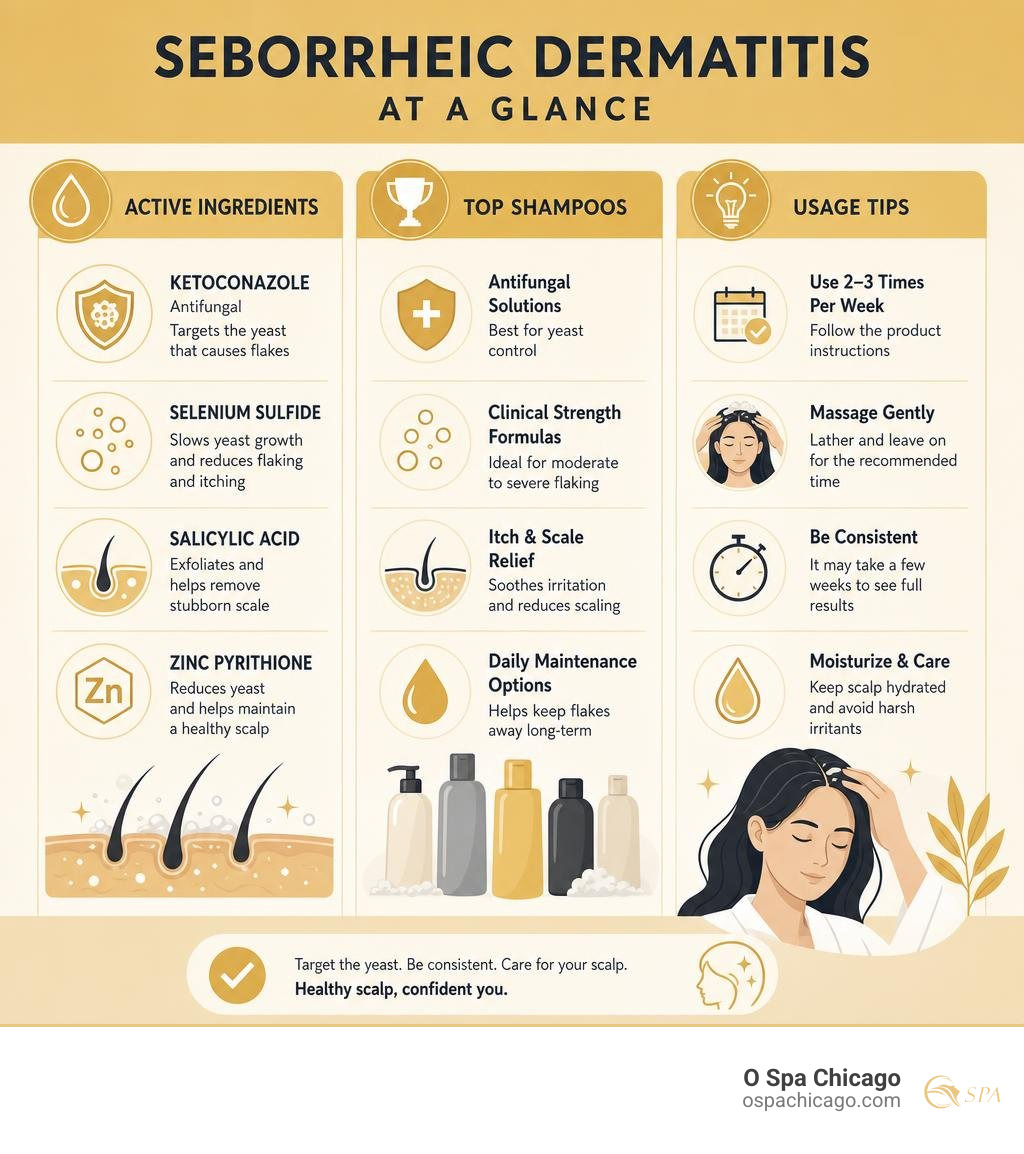
Understanding Active Ingredients in the Best Medicated Shampoo for Seborrheic Dermatitis
To choose the best medicated shampoo for seborrheic dermatitis, we must first understand the clinical active ingredients that drive these formulas. Because seborrheic dermatitis is a chronic inflammatory condition linked to genetics, sebum production, and Malassezia yeast overgrowth, different ingredients target different parts of this cycle.
According to a Clinical study on medicated shampoo efficacy, targeted medicated washes significantly reduce scalp scaling, redness, and pruritus (itching) when used consistently. If you are struggling to tell the difference between standard dandruff and chronic flaking, exploring our guide on dry scalp and dandruff treatment options can help clarify your symptoms.
Here is a breakdown of the primary active ingredients found in over-the-counter and prescription formulas:
- Ketoconazole: This is a powerful, broad-spectrum antifungal agent. It works by disrupting the cellular membranes of Malassezia yeast, stopping its growth. It is widely considered the first-line medical defense against seborrheic dermatitis.
- Selenium Sulfide: This active ingredient serves a dual purpose. It acts as an antifungal agent to lower yeast populations and as a cytostatic agent, meaning it slows down the rapid turnover of skin cells on your scalp. This dual action dramatically reduces both itching and visible flaking.
- Salicylic Acid: Known as a keratolytic agent, salicylic acid focuses on softening and shedding dead skin cells. It breaks down the tough, scaly buildup on your scalp, making it much easier to wash away. It is highly effective when paired with an antifungal agent.
- Zinc Pyrithione: This classic antimicrobial and antifungal ingredient gently lowers yeast levels while soothing the scalp. It is an excellent option for mild cases or for maintaining a healthy scalp between stronger treatments.
- Coal Tar: Coal tar slow down skin cell growth and reduces localized inflammation and sebum production. While highly effective, it can carry risks of contact dermatitis, can stain light-colored hair, and may cause temporary skin sensitivity.
| Active Ingredient | Primary Mechanism | Best Suited For | Key Precaution |
|---|---|---|---|
| Ketoconazole (1% – 2%) | Antifungal (disrupts yeast cell membrane) | Stubborn yeast overgrowth, chronic redness | Can dry out tightly coiled or chemically treated hair |
| Selenium Sulfide (1% – 2.5%) | Antifungal & Cytostatic (slows cell turnover) | Heavy, oily flaking and intense itching | May discolor light, grey, or color-treated hair |
| Salicylic Acid (1% – 3%) | Keratolytic (softens and dissolves scales) | Thick, crusty buildup and stubborn plaques | Can cause mild burning or dryness if overused |
| Zinc Pyrithione (1% – 2%) | Antimicrobial & Mild Antifungal | Mild flaking, sensitive scalps, maintenance | Less effective for severe, crusty flare-ups |
| Coal Tar | Anti-inflammatory & Cytostatic | Severe scaling, itching, and oil control | Strong odor; can discolor light hair; increases UV sensitivity |
Natural and Sulfate-Free Alternatives for Sensitive Scalps
While clinical strength active ingredients are highly effective, they can sometimes be too harsh for sensitive, dry, or chemically processed hair. Many of our clients at O Spa Chicago ask for gentler, plant-derived alternatives that respect a fragile scalp barrier.
Fortunately, several natural compounds show strong antimicrobial and anti-inflammatory properties:
- Tea Tree Oil: Studies show that shampoos containing a 5% concentration of tea tree oil provide significant antimicrobial action against yeast without the harshness of synthetic chemicals.
- Raw Honey: Known for its natural humectant and antibacterial qualities, raw honey can soothe an inflamed scalp. A simple rinse made of two tablespoons of raw, unfiltered honey mixed with 3/4 cup of warm water can help calm active irritation.
- Licorice Root (Glycyrrhetinic Acid): This plant-derived molecule is highly tolerated and has been clinically shown to reduce redness, itching, and flaking by mimicking mild anti-inflammatory effects on the skin.
- Piroctone Olamine: Often used in premium sulfate-free dermocosmetic shampoos, this gentle compound offers excellent antifungal protection against Malassezia while preserving the scalp’s natural moisture barrier.
When exploring these options, consult the comprehensive Healthline guide on natural and medicated shampoos to understand how natural remedies compare to clinical formulations. If you are managing multiple overlapping conditions, such as psoriasis alongside seborrheic dermatitis, check out our guide on styling hair with psoriasis for professional tips on keeping your hair styled beautifully without triggering an itchy flare-up.
Natural Soothing Ingredients to Look For:
- Colloidal Oatmeal: Soothes irritation and locks in moisture.
- Peppermint Leaf Extract & Menthol: Provides an instant cooling sensation to stop the urge to scratch.
- Aloe Vera Gel: Hydrates the scalp barrier and reduces redness.
- Glycerin: A gentle humectant that prevents hair breakage caused by drying medicated actives.
A quick warning on popular DIY remedies: While apple cider vinegar (ACV) and coconut oil are frequently recommended online, medical experts warn they can sometimes backfire. Coconut oil can feed the Malassezia yeast (which thrives on specific fatty acids), and undiluted ACV can cause chemical irritation on an already compromised scalp barrier.
Top-Rated Over-the-Counter Options for Scalp Relief
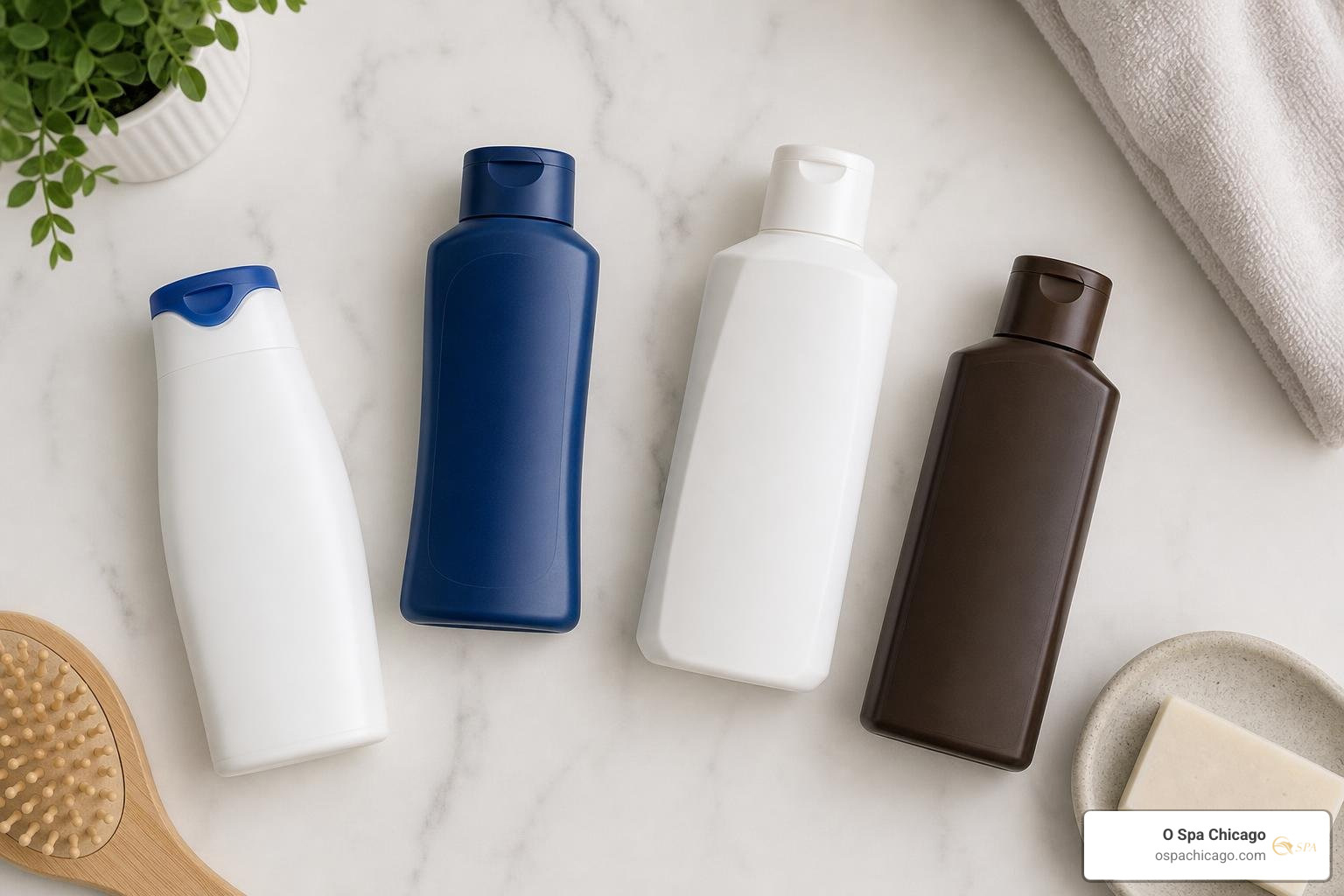
When shopping for the best medicated shampoo for seborrheic dermatitis, e-commerce data and real-world reviews highlight several clear frontrunners. These products vary in their active ingredients, price points, and overall value.
How to Choose the Best Medicated Shampoo for Seborrheic Dermatitis Based on Amazon Reviews
To find the right product, it helps to look at what thousands of real-world users experience. Here is how the top over-the-counter shampoos stack up in terms of ratings, popularity, and value as of July 2026:
- Nizoral Anti-Dandruff Shampoo:
- Active Ingredient: Ketoconazole 1%
- The Data: Over 99,000 ratings on Amazon with a stellar 4.6 out of 5-star average.
- Why it’s popular: It targets the root fungal cause of seborrheic dermatitis. Users praise its rapid ability to halt stubborn flaking, though some note it can be drying to the hair shaft if used without a deep conditioner.
- Selsun Blue Medicated Antidandruff Shampoo:
- Active Ingredient: Selenium Sulfide 1%
- The Data: Over 20,000 ratings with a 4.7 out of 5-star average, and over 20,000 units purchased in the past month.
- Why it’s popular: Highly effective at stopping intense itching and slowing down rapid flaking. It often contains built-in moisturizers like aloe to offset dryness.
- Neutrogena T/Sal Therapeutic Shampoo:
- Active Ingredient: Salicylic Acid 3%
- The Data: Over 10,000 ratings with a 4.5 out of 5-star average, and over 50,000 units bought in the past month.
- Why it’s popular: It is completely fragrance-free and color-free, making it the perfect choice for highly sensitive scalps with thick scale buildup.
- Head & Shoulders Clinical Strength Dandruff Shampoo:
- Active Ingredient: Selenium Sulfide 1%
- The Data: Over 9,000 ratings with a 4.6 out of 5-star average, and over 5,000 units purchased in the past month.
- Why it’s popular: It pairs heavy-duty clinical-strength flaking control with refreshing ingredients like menthol for immediate sensory itch relief.
- DHS Zinc Shampoo:
- Active Ingredient: Pyrithione Zinc 2%
- The Data: Over 4,900 ratings with a 4.6 out of 5-star average, and over 2,000 units purchased in the past month.
- Why it’s popular: Dermatologists frequently recommend DHS for its incredibly gentle, dermatologist-grade formulation that is free of unnecessary dyes and heavy scents.
For a deeper dive into expert-backed selections, you can read these Dermatologist-reviewed shampoo options to see how medical professionals evaluate these formulas for different hair textures.
Comparing OTC vs. Prescription-Strength Best Medicated Shampoo for Seborrheic Dermatitis
If over-the-counter options do not bring your scalp back into balance, you may need to consult a dermatologist for a prescription-strength treatment.
The primary difference lies in the concentration of the active ingredients and the specific chemical mechanisms they use:
- Ketoconazole 2% (Prescription) vs. Ketoconazole 1% (OTC): The prescription version contains double the concentration of the active antifungal, making it significantly more potent at halting severe Malassezia yeast colonization.
- Ciclopirox Shampoo 1% (Prescription): Unlike azole antifungals that disrupt the fungal cell membrane, Ciclopirox works by a unique mechanism — it chelates polyvalent cations (like iron and aluminum) to shut down essential fungal enzymes. It is highly effective but available by prescription only. You can read the official clinical guidelines and safety profile in the FDA drug label for Ciclopirox shampoo.
- Corticosteroid Shampoos (Prescription): Shampoos containing ingredients like Clobetasol propionate are incredibly powerful anti-inflammatories designed to quickly halt severe flare-ups, extreme redness, and swelling. However, because topical steroids can cause skin thinning and systemic absorption over time, they are strictly limited to short-term, supervised use.
How to Use Medicated Shampoos for Maximum Efficacy
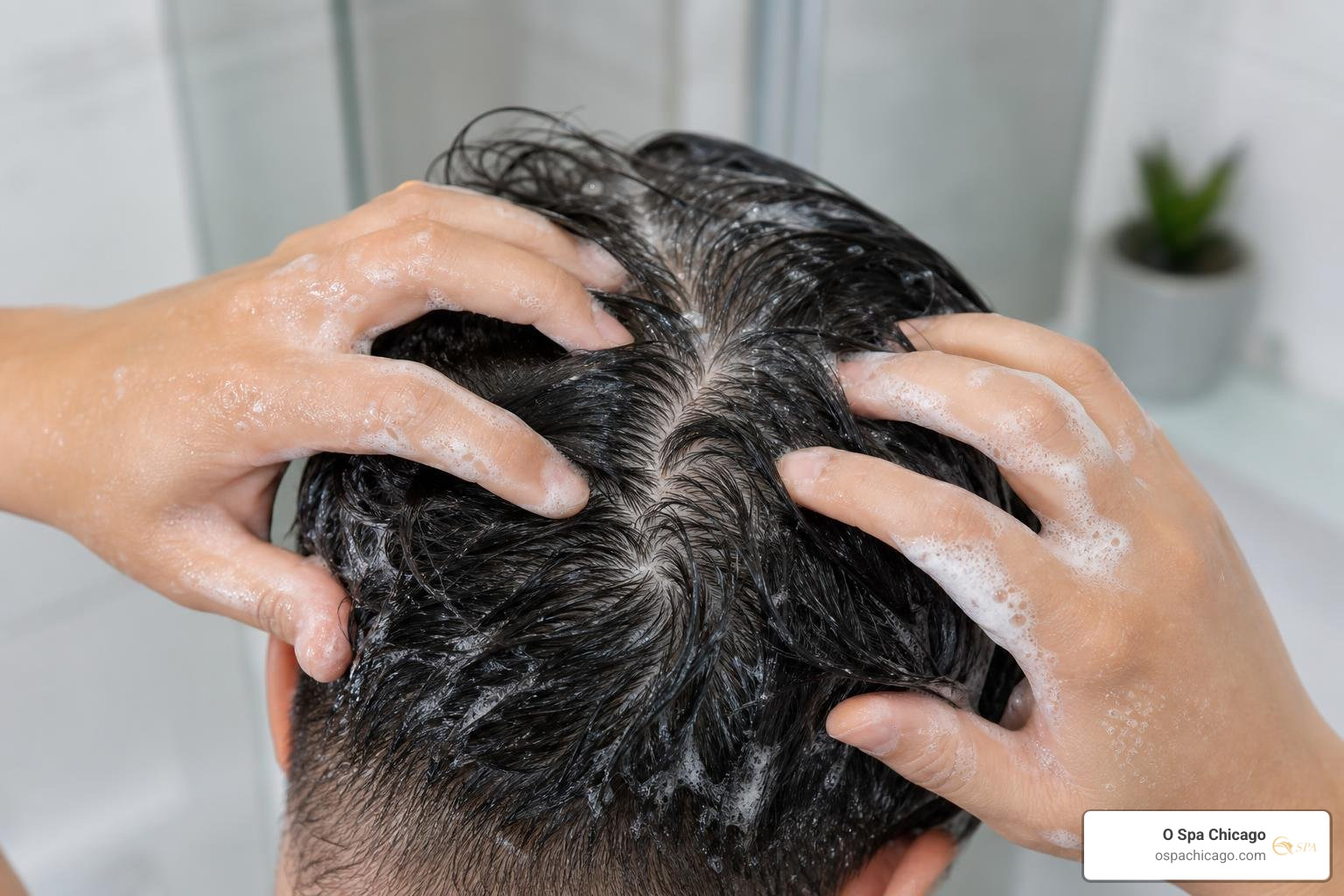
Simply swapping your regular shampoo for a medicated one isn’t always enough. To get the absolute best results from the best medicated shampoo for seborrheic dermatitis, you must apply it correctly.
Here is a step-by-step process to ensure the active ingredients can do their job:
- Prep and Shake: Many medicated shampoos (especially those containing selenium sulfide) can settle over time. Always shake the bottle thoroughly before use to ensure the active ingredients are evenly distributed.
- Wet and Lather: Wet your hair completely with warm — not hot — water. Hot water can strip the scalp’s natural lipid barrier and worsen inflammation. Apply a generous amount of shampoo and massage it directly into your scalp, focusing on the areas with the most flaking, redness, or itching.
- The Golden Wait Time: Do not rinse the shampoo off immediately! To allow the active ingredients to penetrate the fungal cell walls or soften tough scales, let the lather sit on your scalp for 5 to 10 minutes (or exactly 3 minutes if using a prescribed Ciclopirox formula).
- Rinse Thoroughly: Rinse your hair completely. If you are using a selenium sulfide formula and have bleached, tinted, grey, or permed hair, you must rinse for at least 5 full minutes to prevent any chemical discoloration or damage.
- Frequency of Use: During an active flare-up, use your medicated shampoo daily or 2 to 3 times a week for up to four weeks. Once your symptoms clear, transition to a maintenance routine of once every week or two to prevent a relapse.
To avoid stripping your hair of its natural shine during this intensive process, refer to the FDA guidelines on selenium sulfide usage for official safety warnings, and check out our ultimate guide to scalp and hair treatment to learn how to balance clinical scalp therapies with professional hair care.
Frequently Asked Questions About Seborrheic Dermatitis Shampoos
Can I use a regular conditioner after a medicated shampoo?
Yes, and we highly recommend it! Medicated active ingredients like ketoconazole and selenium sulfide can be incredibly drying to the hair shaft, which increases the risk of hair breakage — especially for tightly coiled, fine, or chemically treated hair.
To protect your hair, apply a rich, moisturizing conditioner or scalp-safe hydrating treatment immediately after rinsing out your medicated shampoo. Look for formulas infused with premium skincare ingredients like niacinamide, hyaluronic acid, and glycerin to soothe and restore the scalp barrier. Keep the conditioner focused primarily on the mid-lengths and ends of your hair to avoid clogging your scalp’s pores. For a deep, restorative moisture boost, explore our curated list of Chicago spa hair masks to keep your hair incredibly soft and strong during your treatment.
What are the common side effects of medicated shampoos?
While over-the-counter medicated shampoos are generally very safe, they can occasionally cause mild side effects:
- Mild Skin Irritation: You may experience a temporary burning, stinging, or redness, especially if your scalp barrier is already raw and inflamed.
- Hair Discoloration: Selenium sulfide and coal tar can occasionally discolor light-colored, blonde, bleached, grey, or tinted hair if not rinsed out completely.
- Dryness or Oiliness: Some users report that their hair feels unusually dry or, conversely, that their scalp produces excess oil as a rebound reaction to being stripped.
- Contact Dermatitis: In rare cases, individuals may develop an allergic reaction to inactive ingredients like synthetic fragrances, dyes, or harsh sulfates (such as Sodium Lauryl Sulfate).
Why does my dandruff shampoo stop working after a while?
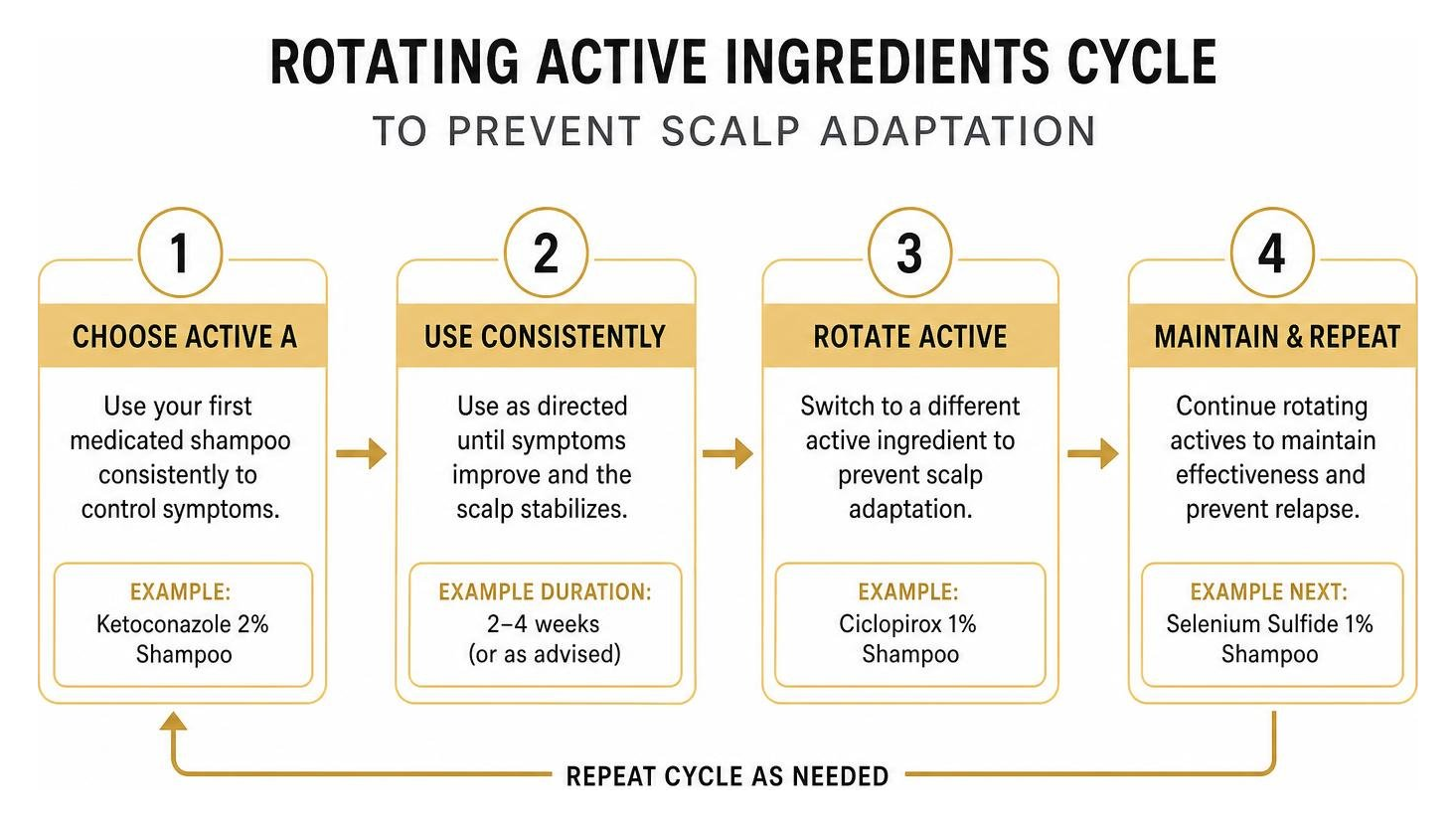
This is a very common frustration! Many people find that a shampoo that worked miracles for months suddenly stops keeping flakes at bay. This is often due to a phenomenon called tachyphylaxis (where your skin becomes tolerant to the treatment) or because the Malassezia yeast has built up a protective biofilm barrier that the active ingredient can no longer penetrate.
To bypass this barrier, we recommend two expert strategies:
- Rotate Your Actives: Keep two or three shampoos with different active ingredients in your shower (for example, one ketoconazole shampoo and one selenium sulfide shampoo). Alternate between them every few washes so the yeast cannot adapt to a single chemical mechanism.
- Try a Biofilm-Busting Scrub: Some clients find relief by using a gentle, home-prepared scrub made of raw honey, sea salt, and a pinch of xylitol (a natural sugar alcohol that helps break down fungal biofilms) once or twice a week to clear away stubborn buildup before applying their medicated wash.
Conclusion
Managing seborrheic dermatitis is a journey that requires patience, consistency, and the right clinical tools. By understanding how different active ingredients work, utilizing proper application techniques, and balancing strong medicated washes with deep hydration, you can successfully reclaim a calm, clear, and flake-free scalp.
At O Spa Chicago, located in the heart of River North, Chicago, Illinois, we believe in a holistic, personalized approach to scalp health. While over-the-counter medicated shampoos are excellent for daily management, our luxury day spa offers premium, customized scalp treatments and organic therapies designed to soothe deep-seated inflammation, deeply hydrate the scalp barrier, and restore your hair’s natural vitality.
If you are ready to pamper your scalp and experience a personalized wellness journey, we invite you to explore our full range of O Spa Chicago luxury spa services. Walk-ins and same-day appointments are always welcome — come visit us in Chicago today!